Unlock Safer Workplaces!

Join the OHS Hub South Africa community for essential safety insights, compliance tips, and product updates.

Safety Signage Rules in South Africa


Safety Signage Compliance: Legal Requirements for South African Workplaces

Posted on: 2026-02-19
By: Thandiwe Mokoena


In the realm of workplace safety, compliance with signage regulations is not just a legal obligation but a critical factor in protecting your workforce. As Thandiwe Mokoena points out, understanding these requirements can make all the difference in fostering a culture of safety. Are you ready to explore the essential takeaways for maintaining compliance in South Africa?

What You Will Learn

  • Legal requirements mandate clear and visible signage to inform employees about potential hazards.
  • The Occupational Health and Safety Act emphasizes the importance of risk assessments for identifying necessary signage.
  • Regular maintenance and updates of safety signage are crucial to ensure compliance and effectiveness.
  • Collaboration with the Department of Employment and Labour enhances workplace safety and compliance efforts.
  • Non-compliance can lead to significant fines and legal repercussions, underscoring the importance of adherence to regulations.
  • Implementing a tailored compliance checklist can streamline safety initiatives and maintain regulatory adherence.
  • Engaging safety consultants can provide valuable insights for ongoing compliance and employee training.

Key Aspects of Safety Signage Compliance

Understanding the critical elements involved in safety signage compliance is vital for any workplace. The visual below outlines the main pillars that ensure effective safety communication and adherence to regulations. For a deeper dive into specific signage requirements, including their meaning and proper application, consider learning more about understanding South African safety signage.

Legal Requirements

  • Visible & Legible Signs
  • Regular Maintenance
  • Industry-Specific Mandates

OHS Act Implications

  • Framework for Safety Management
  • Risk Assessment Focus
  • Avoid Fines & Reputational Damage

Role of Dept. of Employment & Labour

  • Conducts Inspections
  • Provides Resources & Guidelines
  • Workers Can Report Unsafe Conditions

Effective Signage Implementation

  • Assess Workplace Needs
  • Train Your Team
  • Regular Audits

Understanding Safety Signage Compliance in South Africa

When it comes to workplace safety, understanding the requirements for signage compliance is essential. In South Africa, specific guidelines govern how businesses must communicate safety information to their employees. This isn't just a matter of following the law; it's about fostering a culture of safety that protects everyone in the workplace. Let's delve into what you need to know!

What Are the Legal Requirements for Workplace Safety Signage?

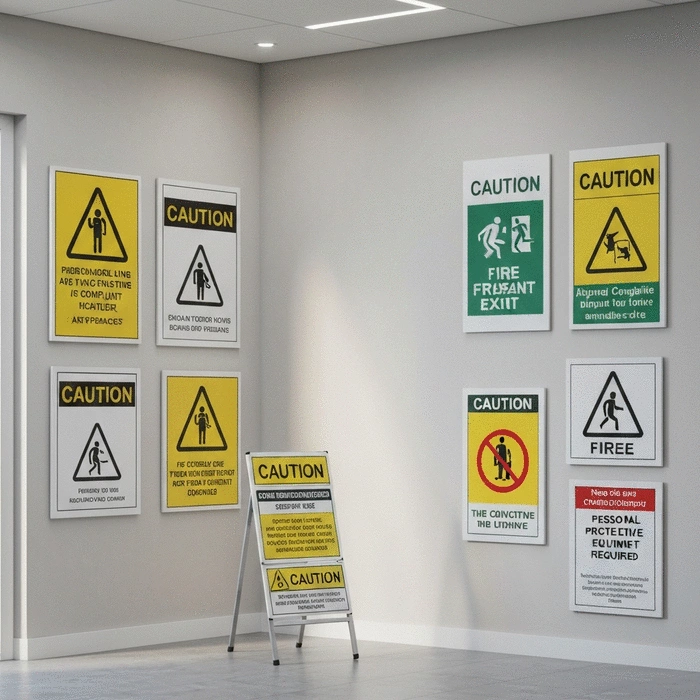
In South Africa, the legal requirements for workplace safety signage are outlined primarily in the Occupational Health and Safety Act. This act mandates that employers provide clear and visible signage to inform employees about potential hazards. Compliance isn’t just optional; it’s a legal requirement that can significantly impact your workplace safety.

  • Signs must be clearly visible and legible from a distance.
  • Employers must ensure that signage is maintained and updated regularly.
  • Specific industries may have additional signage requirements based on their unique hazards.
Workplace with clear safety signs and diverse workers in South Africa

By adhering to these legal obligations, employers can not only protect their workers but also avoid hefty fines that can arise from non-compliance.

Overview of the Occupational Health and Safety Act (OHS Act) and Its Implications

The OHS Act is the backbone of workplace safety in South Africa. It sets out the framework for how employers should manage health and safety in their organizations. This act emphasizes the importance of risk assessments, which help identify hazards that require specific signage. Understanding the implications of the OHS Act is crucial for any business looking to maintain a safe working environment.

For instance, if an organization fails to comply with the OHS Act, it could face legal repercussions that affect not only its reputation but also its operational capacity. As a dedicated health and safety professional, I recommend regularly reviewing your compliance with the OHS Act to ensure your organization remains in good standing. You can also explore more about complying with South Africa's OHS Act for a comprehensive understanding of your obligations.

Key Roles of the Department of Employment and Labour in Safety Compliance

The Department of Employment and Labour plays a vital role in enforcing safety compliance in South Africa. This department is responsible for monitoring workplace conditions and ensuring that businesses adhere to the established regulations, including those related to safety signage. Their inspections and guidelines are designed to protect workers and promote a safer work environment.

  • The department conducts regular inspections to ensure compliance.
  • They provide resources and educational materials to help businesses understand their responsibilities.
  • Employers can report unsafe conditions, prompting the department to take necessary actions.

By working closely with the Department of Employment and Labour, companies can enhance their safety measures and ensure that they are in compliance with local laws.

Key Regulations and Standards Governing Safety Signage

To foster a safer working environment, it is essential to understand the key regulations and standards governing safety signage in South Africa. These guidelines ensure that all safety messages are communicated effectively, minimizing risks and enhancing compliance.

Pro Tip

Did you know that regular training on the meanings and importance of safety signage can drastically reduce workplace accidents? Engaging your team in interactive workshops not only reinforces their understanding but also fosters a culture of safety awareness. Consider implementing monthly safety briefings to keep everyone informed and vigilant!

Summarizing Safety Signage Compliance: Key Takeaways

As we wrap up our discussion on safety signage compliance, it’s vital to understand why these regulations are not just boxes to tick. Compliance is about more than legal obligations; it’s about ensuring the safety and well-being of every worker on your site. When safety signage is adhered to correctly, we not only protect lives but also enhance the overall safety culture within our organizations.

Moreover, effective signage is a proactive measure to avoid legal issues. Non-compliance can lead to hefty fines or worse—injuries that could have been prevented. It’s essential to view safety signage as an integral part of your safety management strategy, rather than an afterthought.

Why Compliance Matters: Protecting Workers and Avoiding Legal Issues

In South Africa, compliance with safety signage regulations is backed by the Occupational Health and Safety Act. This legislation emphasizes the importance of maintaining a safe environment. Here are a few compelling reasons why compliance should be a top priority:

  • Worker Safety: Ensuring that all workers can easily understand hazards through clear signage significantly reduces workplace accidents.
  • Legal Compliance: Following the regulations helps prevent legal troubles associated with non-compliance, including fines and lawsuits.
  • Reputation Management: A company known for its commitment to safety attracts better talent and retains employees longer.
Workplace safety manager conducting an audit of safety signage

By prioritizing compliance, we foster a culture of safety that benefits everyone involved. At OHS Hub South Africa, we believe that a safe workplace is productive, and it's imperative to take these regulations seriously.

Effective Signage Implementation: A Commitment to Workplace Safety

Implementing effective signage is not a one-time event but an ongoing commitment. It requires diligence and a strategic approach. Here are essential steps for effective signage implementation:

  • Assess Your Needs: Evaluate your specific environment and identify areas requiring safety signage.
  • Train Your Team: Ensure that all employees understand the meanings of various signs and are aware of their importance.
  • Regular Audits: Conduct regular checks to ensure all signage is intact, visible, and compliant with current regulations.

By adopting these practices, you not only enhance worker safety but also demonstrate your commitment to a safe workplace. This approach resonates with the mission of OHS Hub South Africa—empowering businesses to prioritize safety.

Next Steps Towards Compliance and Safety Enhancement

How to Create a Custom Compliance Checklist for Your Workplace

Creating a tailored compliance checklist is a practical step towards ensuring safety in your workplace. Here’s how to get started:

  • Identify Relevant Regulations: Research the specific laws that apply to your industry and location.
  • List Required Signage: Create an inventory of all safety signs required based on your risk assessment.
  • Schedule Reviews: Set a timeline for regular reviews of compliance and signage effectiveness.

This checklist will serve as a roadmap for your safety initiatives and will help ensure you remain compliant with all necessary regulations.

Connecting with Safety Signage Providers for Tailored Solutions

Once you have your checklist, the next step is connecting with reliable safety signage providers. These professionals can help you:

  • Understand Your Options: Learn about various signage materials, designs, and compliance options available.
  • Get Custom Solutions: Tailor signage to meet your specific workplace needs and aesthetic preferences.
  • Receive Guidance: Get expert advice on compliance and the best practices for sign placement and visibility.

By collaborating with experts, you ensure that your workplace is equipped with the most effective safety signage solutions.

Engaging Safety Consultants for Expert Guidance on Compliance

Lastly, consider engaging with safety consultants. These experts can provide valuable insights into maintaining compliance and enhancing workplace safety. They can assist you by:

  • Conducting Compliance Audits: Regular audits ensure that your signage and overall safety protocols are up to standard.
  • Providing Training: Offer comprehensive training programs tailored to your workforce's unique needs. For example, understanding HIRA training can significantly improve hazard identification and risk assessment skills among your team.
  • Creating an Action Plan: Develop a detailed action plan for improving safety measures based on observed deficiencies.

At OHS Hub South Africa, we understand the importance of having a safe work environment, and we’re here to support you every step of the way. By taking these next steps, you can foster a safer, more compliant workplace for everyone involved!

Frequently Asked Questions about Safety Signage Compliance

Here are some common questions regarding safety signage compliance in South Africa:

1. What is the primary legislation governing safety signage in South Africa?
The primary legislation is the Occupational Health and Safety Act (OHS Act), which mandates clear and visible signage to inform employees about potential hazards.
2. Why is regular maintenance of safety signage important?
Regular maintenance ensures that signs remain visible, legible, and effective in communicating safety information. It is also a legal requirement and helps avoid non-compliance fines.
3. What role does the Department of Employment and Labour play in safety compliance?
The Department of Employment and Labour enforces safety compliance through inspections, provides resources and guidelines, and allows workers to report unsafe conditions, all aimed at fostering a safer work environment.
4. What are the consequences of non-compliance with safety signage regulations?
Non-compliance can lead to significant fines, legal repercussions, reputational damage, and, most importantly, an increased risk of workplace accidents and injuries.
5. How can businesses ensure effective implementation of safety signage?
Effective implementation involves assessing workplace needs, training employees on the meaning and importance of signs, and conducting regular audits to ensure signage remains intact, visible, and compliant with current regulations.
6. How can safety consultants help with compliance?
Safety consultants can assist by conducting compliance audits, providing tailored training programs for the workforce, and developing detailed action plans to improve safety measures based on identified deficiencies.

To further enhance your workplace safety, it's beneficial to ensure your team is well-prepared for emergencies, which includes comprehensive firefighting training basics in South Africa.

Recap of Key Points

Here is a quick recap of the important points discussed in the article:

  • Compliance with the Occupational Health and Safety Act is mandatory for workplace safety signage.
  • Signs must be visible, legible, and maintained regularly to effectively communicate hazards.
  • The Department of Employment and Labour enforces safety compliance and provides resources for businesses.
  • Regular audits and training ensure that safety signage remains effective and compliant.
  • Creating a compliance checklist helps businesses stay organized and aware of their safety obligations.
  • Engaging with safety consultants can enhance compliance and improve workplace safety measures.

Subscribe & Share
Essential Training for Mining Safety Mine Health and Safety Act Training: Mandatory Courses for Mining Industry Workers Compliance with the Mine Health and Safety Act is not just about following regulations; it's about e
Safety Signage Rules in South Africa Safety Signage Compliance: Legal Requirements for South African Workplaces In the realm of workplace safety, compliance with signage regulations is not just a legal obligation
Risk Assessments for Workplace Safety Essential Risk Assessments for Biological and Chemical Exposure in South African Workplaces In a world where nearly 4,000 workplace injuries occur every day in South Africa, the significance o
Banner
OHS Hub South Africa

Your go-to resource for ensuring workplace safety and compliance. We help South African businesses with essential services, accredited training, and quality safety products and practical guidance.

Trusted by businesses across various industries, our mission is to provide reliable, easy-to-follow insights backed by extensive knowledge of South African regulations and best practices.

Learn More
Recent Posts
Mine Health and Safety Act Training: Mandatory Courses for Mining Industry Workers Essential Training for Mining Safety

Compliance with the Mine Health and Safety Act is

Safety Signage Compliance: Legal Requirements for South African Workplaces Safety Signage Rules in South Africa

In the realm of workplace safety, compliance with

Essential Risk Assessments for Biological and Chemical Exposure in South African Workplaces Risk Assessments for Workplace Safety

In a world where nearly 4,000 workplace injuries o

OHS Hub South Africa: Safety Tips & Insights