MHSA Training Importance
- Minimizes accidents
- Ensures compliance
- Empowers workers
Join the OHS Hub South Africa community for essential safety insights, compliance tips, and product updates.
Posted on: 2026-02-21
By: Thandiwe Mokoena
Compliance with the Mine Health and Safety Act is not just about following regulations; it's about ensuring the well-being of every worker in the mining sector. Equipping your workforce with the right training can transform safety culture and minimize risks significantly.
The Mine Health and Safety Act (MHSA) mandates specific training requirements to ensure worker safety. Below is an overview of the key training types and their characteristics. For a deeper dive into compliance, consider exploring our guide on Site Manager's Guide to Compliance.
Essential foundational training for new miners.
Keeps all miners updated on safety protocols.
Addresses unique risks for different tasks and sites.
Empowering miners with their entitlement to safety.
As an occupational health and safety professional, I can't stress enough how crucial it is to understand the Mine Health and Safety Act (MHSA) in our mining industry. This legislation was established to safeguard the health and safety of workers in mines throughout South Africa. By compelling compliance with safety standards, the MHSA plays a vital role in minimizing accidents and ensuring miners can work without unnecessary risk.
At OHS Hub South Africa, we are committed to providing resources that help businesses comply with the MHSA. This Act outlines mandatory health and safety training, ensuring that miners are not only equipped with the necessary skills but are also aware of their rights and responsibilities in the workplace.
The MHSA is the cornerstone of safety and health regulation in the mining sector. It aims to protect the rights of workers while fostering a culture of safety that permeates every operation. Essentially, the Act establishes the framework for safe mining practices, outlining the responsibilities of employers and employees alike.
Understanding this Act is essential for any organization involved in mining. It not only promotes a safer work environment but also helps prevent legal issues stemming from non-compliance. For further information on broader occupational health services, check out our insights on Occupational Medical Services Best Practices.
Compliance with MHSA regulations is not just about following the law—it's about ensuring the safety of every worker on site. When companies adhere to these regulations, they help create a safer workplace where employees can perform their tasks without fear of injuries or accidents. Furthermore, non-compliance can lead to severe penalties, including fines and even shutdowns.
At OHS Hub South Africa, we believe that fostering a safety-first culture is essential. By prioritizing compliance, businesses demonstrate a commitment to their workers' well-being, which can also enhance their reputation in the industry.
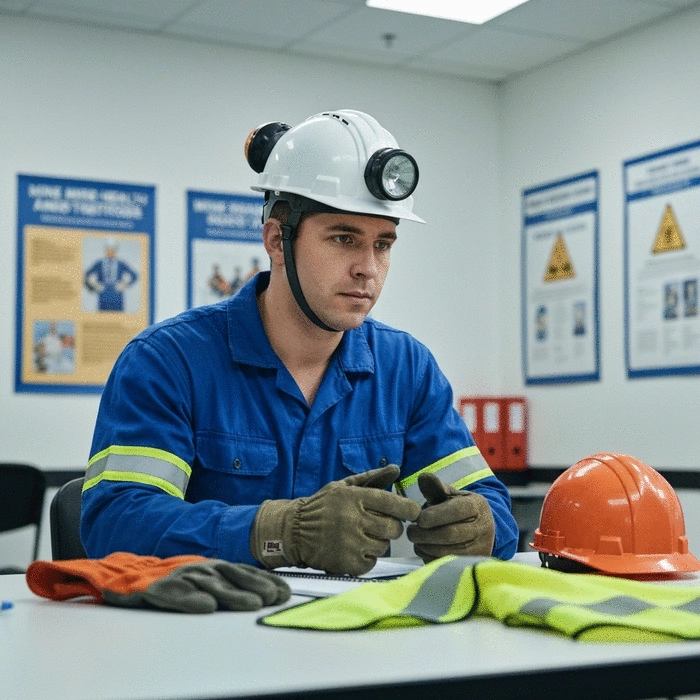
New miners are required to undergo specialized training to prepare them for the challenges they will face underground. The training is divided into two parts: Part 46, which focuses on surface mines, and Part 48, aimed at underground miners. Both parts cover essential safety practices and the specific hazards associated with their work environment.
This foundational training is essential—not just for legal compliance—but also to empower new miners with the knowledge they need to navigate their new roles safely.
Annual refresher training is another critical component of mine safety. This training ensures that all miners remain up-to-date with current safety protocols and any changes to regulations. Regular training helps reinforce safety practices and reminds workers of their responsibilities.
At OHS Hub South Africa, we advocate for regular refresher training to cultivate a culture of ongoing education and adaptation to new safety challenges.
Task-specific and site hazard training are essential to address the unique risks present in different mining environments. This training ensures that workers are equipped with the knowledge to handle specific tasks safely, minimizing risk exposure.
By implementing tailored training, you can enhance your team's readiness to deal with the specific challenges they will encounter in their daily work.
Health and safety training is more than just a regulatory obligation; it's a fundamental aspect of risk mitigation in mining. Proper training can significantly reduce the likelihood of accidents, injuries, and fatalities.
At OHS Hub South Africa, we believe that investing in health and safety training is investing in your workforce's future. The safer your environment, the more productive your team can be!
We want to hear from you! How has your experience been with mandatory health and safety training in the mining sector? Share your thoughts:
A1: The MHSA is a South African legislation designed to safeguard the health and safety of workers in the mining sector by mandating specific safety standards and training requirements.
A2: Compliance is crucial for preventing accidents, injuries, and fatalities, avoiding legal penalties (fines, shutdowns), improving employee morale, and fostering a safe working environment.
A3: Mandatory training includes New Miner Training (MSHA Part 46 for surface mines and Part 48 for underground mines), Annual Refresher Training, and Task-Specific and Site Hazard Training.
A4: New Miner Training typically ranges from 24 to 40 hours, depending on the type of mine (surface or underground).
A5: Annual Refresher Training, usually lasting about 8 hours, covers updates on safety policies and procedures, hazard recognition, and the importance of Personal Protective Equipment (PPE).
A6: Workers have the right to receive adequate safety training relevant to their job tasks before commencing work and the right to report unsafe conditions without fear of retaliation.
As we’ve discussed, mandatory training under the Mine Health and Safety Act is not just a regulatory requirement; it’s vital for the well-being of every worker in the mining sector. Ensuring that your team is trained and compliant with these standards can significantly reduce workplace hazards and promote a culture of safety. You can also enhance safety by understanding the proper use of Essential Safety Footwear by Industry.
There are various training options available, ranging from new miner training to annual refresher courses and specialized training programs. Each of these plays a crucial role in maintaining safety and compliance within your operations.
Ready to empower your workforce? I encourage you to enroll in mandatory courses today! Staying ahead of training requirements not only keeps your team safe but also positions your business as a leader in safety compliance.
By taking these steps, you’re making a significant investment in the safety and well-being of your team. Let’s work together to create safer workplaces!
If you’re looking for official resources and downloadable templates for training plans, here are some useful links to get you started:
These resources will not only help you stay compliant but also ensure your training programs are effective and up to date.
It’s essential to recognize the rights of workers regarding safety training. Every miner should be aware of their entitlements within the industry, including:
These rights help empower workers and promote a culture of safety. At OHS Hub South Africa, we’re dedicated to supporting your compliance journey and ensuring that every worker is informed and prepared. Let's work together to safeguard our mining industry!
Here is a quick recap of the important points discussed in the article: