
Unlock Safer Workplaces!

Join the OHS Hub South Africa community for essential safety insights, compliance tips, and product updates.

Navigating Workplace Noise Regulations 2025


Navigating Workplace Noise Regulations 2025

Posted on: 2026-04-08
By: Thandiwe Mokoena


As we approach 2025, many businesses in South Africa will face significant changes to workplace regulations regarding noise exposure. Understanding and adapting to these regulations is not just a legal necessity but a moral obligation to safeguard employee health.

What You Will Learn

  • The introduction of stricter noise exposure limits for workplaces in South Africa.
  • The importance of mandatory employee training on noise awareness and safety protocols.
  • How to establish a robust Hearing Conservation Program to comply with new regulations.
  • Key insights on aligning South African regulations with international standards set by the UK and OSHA.
  • Best practices for monitoring noise exposure and using personal protective equipment effectively.
  • The role of organizations like NIOSH and ANSI in shaping noise regulations and their impact on local compliance.

Comparative Analysis of Noise Exposure Limits

This visual compares the daily noise exposure limits and action levels across different regulatory bodies, highlighting South Africa's proposed 2025 standards. For comprehensive insights into maintaining a safe working environment, understanding these regulations is as crucial as ensuring proper workplace medicals in South Africa.

Daily Noise Exposure Limit (8-hour)

UK:87 dB
OSHA:90 dB
South Africa (2025 Proposed):85 dB

Action Level (Triggers Intervention)

UK:80 dB
OSHA:85 dB
South Africa (2025 Proposed):80 dB

Understanding the 2025 Noise and Physical Agents Regulations

As we approach 2025, it’s essential to stay informed about the upcoming noise and physical agents regulations that will impact workplaces across South Africa. These regulations aim to enhance workplace safety and ensure that employees are protected from harmful noise levels. Understanding these changes will not only foster a safer environment but also ensure compliance with local laws.

At OHS Hub South Africa, we believe that knowledge is power. By equipping businesses with the right information regarding these new regulations, we can collectively strive toward a culture of safety. Let’s delve into the specifics of what these new regulations entail.

Overview of New Regulations Affecting Workplaces

The 2025 regulations are set to redefine how noise exposure is managed within various industries. These changes are reflective of growing concerns about occupational health and safety, particularly regarding the long-term effects of noise on employee well-being. As a business owner or safety officer, it’s crucial to familiarize yourself with these updates to ensure that your organization remains compliant. Just as with noise regulations, understanding the proper use and maintenance of workplace hearing protection essentials is vital for effective compliance.

  • Introduction of stricter noise exposure limits.
  • Mandatory employee training on noise awareness and safety.
  • Increased monitoring and reporting requirements.

These regulations aim to promote a proactive approach to managing noise risks, ensuring that businesses take necessary steps to protect their workforce.

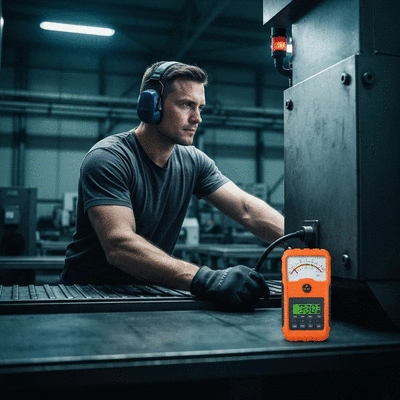
Worker wearing hearing protection in a noisy industrial environment, with sound level meter, no text, no words, no typography

Key Changes to Noise Exposure Limits for 2025

One of the most significant changes in the upcoming regulations is the adjustment of noise exposure limits. Businesses must prepare for stricter thresholds that reflect international best practices. This shift means that companies will need to actively reassess their noise management strategies and enhance their protective measures.

It's important to note that understanding these limits is not merely about compliance—it’s about fostering a workplace where safety is prioritized. Here are the key changes you need to be aware of:

  • Reduction in permissible noise levels during an 8-hour workday.
  • Shorter action levels that trigger mandatory interventions.
  • Enhanced requirements for personal protective equipment (PPE) usage in high-noise areas.

Comparative Analysis: UK, South Africa, and OSHA Standards

Comparing the new South African regulations with international standards such as those established by the UK and OSHA can provide valuable insights. Both the UK and OSHA have implemented rigorous guidelines aimed at reducing noise exposure, and South Africa is aligning its regulations accordingly.

RegulationUK Noise Exposure Limit (dB)OSHA Noise Exposure Limit (dB)South Africa (2025 Proposed Limit)
Daily (8-hour)879085
Action Level808580

This comparative analysis emphasizes the need for businesses in South Africa to adapt swiftly and effectively. As we align with international standards, our commitment to employee safety must remain at the forefront.

The Role of NIOSH and ANSI in Shaping Noise Regulations

The National Institute for Occupational Safety and Health (NIOSH) and the American National Standards Institute (ANSI) play pivotal roles in shaping the landscape of workplace noise regulations. Their research and guidelines help inform the development of effective standards that protect employees from the adverse effects of noise exposure.

As we move towards 2025, understanding their influence can help South African employers anticipate the direction of future regulations. Engaging with these organizations and staying updated on their findings can empower businesses to implement proactive measures for workplace safety, much like staying informed on complying with South Africa's OHS Act.

Pro Tip

To effectively prepare for the 2025 noise regulations, consider conducting a preliminary noise audit in your workplace. This proactive approach allows you to identify high-risk areas and implement necessary changes before the regulations take effect. Not only will this enhance employee safety, but it will also demonstrate your commitment to compliance and foster a culture of safety within your organization.

Frequently Asked Questions (FAQs)

Here are some common questions regarding the upcoming 2025 noise regulations in South Africa:

1. What are the key changes to noise exposure limits in South Africa for 2025?
The 2025 regulations propose stricter noise exposure limits, reducing the daily 8-hour permissible level to 85 dB and setting the action level (triggering intervention) to 80 dB. These are stricter than current OSHA and UK limits.
2. Why are these new noise regulations being introduced?
The new regulations are being introduced to enhance workplace safety, protect employees from the long-term effects of noise exposure, and align South African standards with international best practices from bodies like the UK and OSHA.
3. What is a Hearing Conservation Program and why is it important?
A Hearing Conservation Program is a structured approach to managing noise risks in the workplace. It includes noise monitoring, employee training, providing hearing protection, and regular audits. It's crucial for compliance and safeguarding employee health.
4. How do South Africa's proposed 2025 noise limits compare to international standards?
South Africa's proposed 2025 daily noise exposure limit of 85 dB is stricter than OSHA's (90 dB) and slightly more stringent than the UK's (87 dB). The action level of 80 dB is similar to the UK's and stricter than OSHA's (85 dB).
5. What role do NIOSH and ANSI play in noise regulations?
NIOSH (National Institute for Occupational Safety and Health) and ANSI (American National Standards Institute) conduct research and develop guidelines that inform the creation of effective workplace noise standards, influencing regulations globally, including in South Africa.
6. What are the immediate steps employers should take to prepare for the 2025 regulations?
Employers should conduct a preliminary noise audit, familiarize themselves with the new limits, begin implementing or updating their Hearing Conservation Program, provide mandatory noise awareness training to employees, and consider consulting with occupational health and safety experts.

Next Steps for Employers in Navigating Regulations

As we approach the implementation of the new noise regulations in 2025, it's vital for employers to take proactive steps. A key starting point is establishing a robust Hearing Conservation Program. This program not only promotes compliance but also safeguards the health of your employees. At OHS Hub South Africa, we've seen how implementing effective programs can create a safer work environment!

Implementing a Hearing Conservation Program

Developing a Hearing Conservation Program requires careful planning and execution. Here are some best practices to help you get started:

  • Noise Exposure Monitoring: Regularly assess noise levels in the workplace to identify areas of concern.
  • Employee Training: Educate employees on the risks associated with noise exposure and the importance of protective measures.
  • Use of Hearing Protection: Ensure that appropriate PPE, like earplugs or earmuffs, is readily available and used correctly.
  • Regular Audits: Conduct periodic evaluations of your program to ensure its effectiveness and compliance with regulations.

By following these best practices, employers can create a structured approach that not only meets regulatory requirements but also fosters employee engagement and health!

Group of diverse workers attending a safety training session on hearing protection in a modern classroom, no text, no words, no typography

Seeking Expert Guidance: When and Why to Consult Professionals

It's important to recognize that navigating new regulations can be complex. Consulting with experts in occupational health and safety, like those at OHS Hub South Africa, can provide valuable insights. Here are some situations when seeking professional guidance is essential:

  • Complex Environments: If your workplace involves multiple noise sources or varied work processes, expert assistance can help tailor a compliant strategy.
  • Training Programs: Professionals can assist in developing effective training modules that resonate with your employees.
  • Regulatory Updates: Staying informed about the latest changes in regulations is crucial. Experts can help you interpret these changes effectively.

Don’t hesitate to reach out for support when needed! Engaging with professionals will help ensure your compliance journey is smooth and successful.

Resources and Tools for Effective Compliance

As you work towards compliance with the new noise regulations, utilizing the right resources is essential. Thankfully, there are many tools available that can assist you in this process. At OHS Hub South Africa, we've curated a range of helpful materials to aid your efforts.

Downloadable Templates for Noise Risk Assessments and Training

One of the most effective ways to ensure compliance is by using structured templates. Here are a few resources that can benefit your organization:

  • Noise Risk Assessment Template: A practical guide to conducting thorough assessments.
  • Training Program Outline: A ready-made template to structure your employee training sessions.
  • Compliance Checklist: A list of essential actions to verify that you meet the new regulations.

These tools can simplify your compliance process, making it easier for you to focus on maintaining a safe workplace!

Engaging with Industry Associations for Further Support

Connecting with industry associations can open doors to additional resources and support. Here’s why engaging with these organizations can be beneficial:

  • Networking Opportunities: Build relationships with other professionals in your field.
  • Access to Workshops: Participate in workshops that provide hands-on training and insights into compliance.
  • Regulatory Updates: Stay informed about changes and best practices that could impact your business.

Being part of a community can enhance your understanding of regulations and foster a culture of safety!

Utilizing Workplace Assessment Tools for Compliance Monitoring

Lastly, leveraging workplace assessment tools can significantly aid your compliance monitoring efforts. Consider these options: Ensuring all workplace equipment, including safety gear, is properly maintained and inspected is as important as the regulations themselves; learn more about an essential safety equipment inspection guide.

  • Noise Measurement Devices: Use sound level meters to monitor noise levels accurately.
  • Assessment Software: Implement software solutions that simplify data collection and analysis.
  • Feedback Systems: Foster open communication channels for employees to report noise-related concerns.

Utilizing these tools will help you remain vigilant and proactive in your compliance journey.

Final Thoughts on 2025 Regulatory Changes

As we move closer to 2025, staying ahead of the curve in understanding and implementing noise regulations is essential. By being proactive, you not only ensure compliance but also demonstrate a genuine commitment to the health and safety of your workforce.

Staying Ahead of Future Noise Regulations

Looking forward, it’s important to anticipate potential changes in regulations. Regularly review your compliance strategies and stay engaged with regulatory updates. This will allow you to adapt swiftly to any new requirements, ensuring you are always prepared.

Encouraging a Culture of Safety in the Workplace

Finally, cultivating a culture of safety is vital! Encourage employees to actively participate in safety initiatives and share their experiences. At OHS Hub South Africa, we believe that a safety-oriented workplace ultimately leads to happier, healthier employees and a more productive environment. Let’s work together to create a safer future!

Recap of Key Points

Here is a quick recap of the important points discussed in the article:
  • The 2025 noise regulations will introduce stricter noise exposure limits to enhance workplace safety.
  • Mandatory employee training on noise awareness is essential for compliance and safety.
  • Employers should implement a Hearing Conservation Program to monitor noise levels and protect employee health.
  • Regular audits and assessments are crucial for ensuring ongoing compliance with new regulations.
  • Consulting with occupational health experts can provide valuable insights for navigating complex regulations.

Subscribe & Share
Navigating Workplace Noise Regulations 2025 Navigating Workplace Noise Regulations 2025 As we approach 2025, many businesses in South Africa will face significant changes to workplace regu
2025 OHS Regulations: Safety Product Changes 2025 OHS Regulations: Safety Product Changes How prepared is your workplace for the upcoming changes in safety regulations? The 2025 OSHA updates
OHS Training: Online or In-Person? OHS Training: Online or In-Person? In today's fast-paced work environment, the importance of effective training cannot be overstated. W
Banner
OHS Hub South Africa

Your go-to resource for ensuring workplace safety and compliance. We help South African businesses with essential services, accredited training, and quality safety products and practical guidance.

Trusted by businesses across various industries, our mission is to provide reliable, easy-to-follow insights backed by extensive knowledge of South African regulations and best practices.

Learn More
Recent Posts
Navigating Workplace Noise Regulations 2025 Navigating Workplace Noise Regulations 2025

As we approach 2025, many businesses in South Afri

2025 OHS Regulations: Safety Product Changes 2025 OHS Regulations: Safety Product Changes

How prepared is your workplace for the upcoming ch

OHS Training: Online or In-Person? OHS Training: Online or In-Person?

In today's fast-paced work environment, the import

OHS Hub South Africa: Safety Tips & Insights