Workplace Hearing Protection Essentials
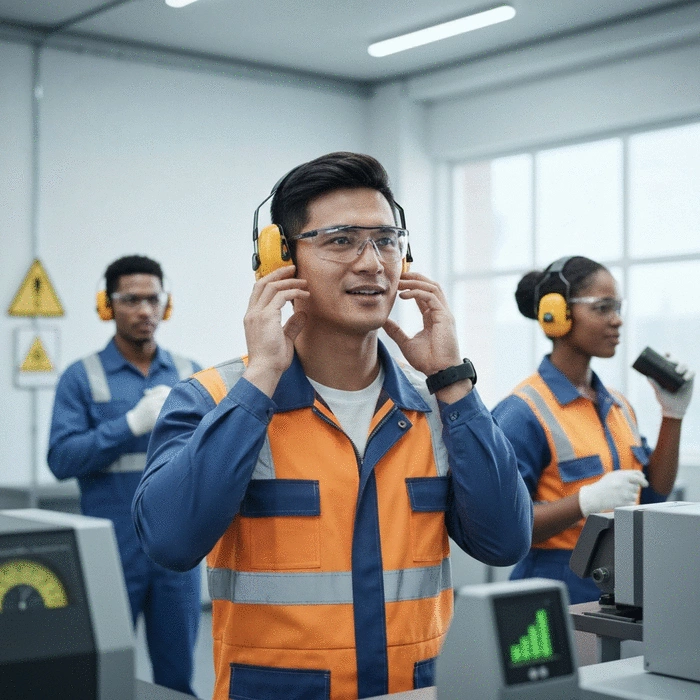
Posted on: 2026-02-07
By: Thandiwe Mokoena
What if the noise in your workplace is quietly damaging your employees’ hearing? With nearly 16% of American adults experiencing some form of hearing loss linked to occupational noise exposure, prioritizing hearing protection becomes not just a choice, but a necessity.
What You Will Learn
- The vital role of hearing conservation in preventing noise-induced hearing loss (NIHL).
- Key noise metrics and terminology that are essential for understanding hearing protection devices (HPDs).
- Different types of hearing protection devices, including earplugs, earmuffs, and noise-canceling headphones.
- The importance of regular noise assessments and employee training on proper HPD usage.
- Steps to foster a culture of safety and compliance within the workplace regarding noise exposure.
Workplace Noise Impact and Hearing Protection Overview
Understanding the impact of noise and the effectiveness of hearing protection devices is crucial for a safe workplace. This visual highlights key statistics, noise measurement, and protection strategies. For a broader understanding of workplace safety measures, you might also be interested in learning about complying with South Africa's OHS Act.
Impact of Noise Exposure
of American adults report some degree of hearing loss, often due to occupational noise.
Consistent noise exposure above this level can cause hearing damage over time.
Key Hearing Protection Terms
- Decibels (dBA): Unit for sound intensity.
- NIHL: Noise-Induced Hearing Loss from harmful noise.
- NRR: Noise Reduction Rating, HPD effectiveness.
Types of Hearing Protection Devices (HPDs)
- Earplugs: Foam/silicone, fit in ear canal, low profile.
- Earmuffs: Cover ear, higher noise reduction for loud areas.
- Noise-Canceling Headphones: Block ambient noise, comfort.
Steps for Better Hearing Conservation
- Assess Noise: Regular checks for high noise areas.
- Train Employees: Ensure proper HPD use.
- Provide Options: Offer various HPDs.
- Feedback: Encourage sharing experiences.
Understanding Hearing Protection and Noise Reduction Solutions
Hearing protection is more than just a recommendation; it’s essential for maintaining a safe workplace. The significance of hearing conservation cannot be overstated, especially in environments where noise exposure is prevalent. Did you know that long-term exposure to loud noises can lead to irreversible noise-induced hearing loss (NIHL)? Recognizing and mitigating the risks associated with workplace noise is crucial for both employees’ health and organizational productivity.

Whether you're in construction, manufacturing, or any other noisy industry, understanding the impact of sound on hearing is vital. According to statistics, approximately 16% of American adults report some degree of hearing loss, which can often be attributed to occupational noise exposure. As an occupational health and safety professional, I emphasize that proactive measures in hearing conservation can prevent these issues before they arise.
The Importance of Hearing Protection in Occupational Settings
Workplace noise is not just a nuisance; it's a significant health hazard. Many workers may not realize that consistent exposure to noise levels above 85 dBA can cause hearing damage over time. It's our responsibility to ensure that employees are equipped with the necessary tools and training to protect their hearing. Implementing effective hearing protection programs can drastically reduce the risk of developing NIHL.
- Identify common sources of noise in your workplace.
- Implement regular noise assessments to gauge exposure levels.
- Provide suitable hearing protection devices (HPDs) based on the noise assessment findings.
At OHS Hub South Africa, we strive to connect businesses with essential resources and training that promote workplace safety. Investing in hearing protection not only safeguards employees but also fosters a culture of safety and compliance. This commitment to safety extends to all forms of personal protective equipment, including selecting the right PPE gloves for various tasks.
Key Terminology: Hearing Protection Devices and Noise Metrics
Before diving deeper, let's clarify some essential terms related to hearing protection. Hearing protection devices (HPDs) are designed to reduce noise exposure, thus helping to prevent noise-induced hearing loss. Common types of HPDs include earplugs and earmuffs, each serving unique purposes depending on the noise environment.
- Decibels (dBA): A unit of measurement for sound intensity, where higher dBA levels indicate louder sounds.
- Noise-Induced Hearing Loss (NIHL): Hearing loss resulting from exposure to harmful noise levels over time.
- Noise Reduction Rating (NRR): A measure that indicates the effectiveness of a hearing protection device.
Understanding these terms is vital for anyone involved in creating a safe workplace. Properly communicating these concepts helps ensure that all employees are aware of the risks and the protective measures available to them.
Types of Hearing Protection Devices: Earplugs, Earmuffs, and Beyond
There are various types of hearing protection devices, each suited for different environments. Here’s a quick overview of the most common options:
- Earplugs: Typically made of foam or silicone, they fit directly into the ear canal and are great for low-profile protection.
- Earmuffs: These cover the entire ear and provide better noise reduction, ideal for high noise environments.
- Noise-Canceling Headphones: Often used in offices, they help block out ambient noise while providing comfort.
Choosing the right type of HPD is crucial and should be tailored to the specific noise hazards present in your workplace. Engaging with professionals at OHS Hub South Africa can help you select the most effective solutions for your team's safety needs.
Factors Influencing the Use of Hearing Protection Devices
Understanding the factors that influence the use of hearing protection devices is essential for creating a compliant and safe work environment. Let's explore some key aspects:
Pro Tip
Did you know that regularly changing your hearing protection devices (HPDs) can enhance their effectiveness? Over time, earplugs can accumulate dirt and oils, reducing their noise-blocking capabilities. Make it a practice to replace disposable earplugs after each use and inspect earmuffs for wear and tear. This simple commitment can greatly improve your hearing conservation efforts!
Summarizing Key Takeaways on Hearing Protection
In our journey through the complexities of workplace safety, it's clear that hearing protection is not just an option; it’s a necessity. The implementation of effective hearing protection devices (HPDs) can significantly reduce the risk of noise-induced hearing loss (NIHL) and enhance overall workplace safety. By prioritizing the health of our workforce, we are not only complying with regulations but also fostering a culture where safety is valued and protected.
To recap, here are some critical benefits of using effective HPDs in the workplace:
- Reduces health risks: Proper use of HPDs mitigates the chances of hearing damage.
- Enhances productivity: A safe environment allows employees to focus better without the distractions of excessive noise.
- Fulfills regulatory requirements: Compliance with safety standards avoids legal complications and potential fines.
- Promotes employee morale: Demonstrating care for employee well-being builds trust and loyalty.
Taking Action: Steps Towards Better Hearing Conservation
As we wrap up this discussion, let’s take a moment to encourage both employers and workers to assess their current hearing protection practices. It’s essential to actively look for ways to enhance safety measures and ensure that everyone is equipped with the right tools for protection. Just imagine the peace of mind knowing that your workplace is committed to hearing conservation! For those new to safety protocols, understanding first aid courses levels explained can also be a valuable addition to workplace preparedness.
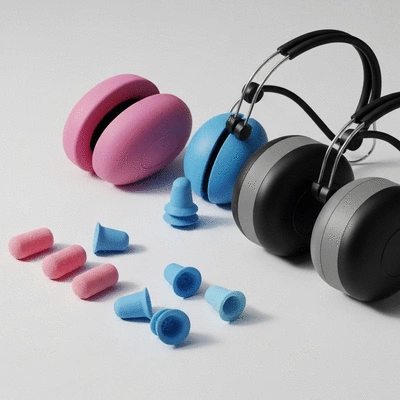
Here are some steps to consider for better hearing conservation:
- Conduct regular noise assessments: Identify areas with high noise levels and address them promptly.
- Implement training programs: Ensure that all employees understand the importance of using HPDs correctly.
- Provide a variety of HPDs: Offer options like earplugs and earmuffs to suit different preferences and work environments.
- Encourage feedback: Create a culture where employees can share their experiences and recommendations regarding hearing protection.
Engagement and Feedback: Share Your Experiences
I want to hear from you! Have you implemented any unique hearing protection strategies in your workplace? Or perhaps you have a story about how certain HPDs made a difference in your team’s safety? Please share your testimonials or case studies. Engaging with one another not only enriches our practices but also fosters a community committed to creating safer workplaces.
At OHS Hub South Africa, we are here to support you with resources, training, and products tailored to your needs. Let’s work together toward a safer and healthier working environment!
Frequently Asked Questions (FAQs)
- Q: What is noise-induced hearing loss (NIHL)?
- A: NIHL is hearing loss that results from exposure to harmful noise levels over an extended period. It is often irreversible and a significant concern in occupational settings.
- Q: What does "85 dBA+" mean?
- A: "85 dBA+" refers to noise levels of 85 decibels or higher. Consistent exposure above this level is known to cause hearing damage over time, making hearing protection essential.
- Q: What are the main types of Hearing Protection Devices (HPDs)?
- A: The main types include earplugs (foam or silicone, fit in the ear canal), earmuffs (cover the entire ear for higher noise reduction), and noise-canceling headphones (block ambient noise, often used in offices for comfort).
- Q: How often should HPDs be replaced?
- A: Disposable earplugs should be replaced after each use. Earmuffs should be inspected regularly for wear and tear, and their seals or cushions should be replaced if damaged to maintain effectiveness.
- Q: Why are regular noise assessments important?
- A: Regular noise assessments help identify areas in the workplace with high noise levels, allowing employers to implement targeted safety measures and provide appropriate HPDs to employees exposed to these risks.
Recap of Key Points
Here is a quick recap of the important points discussed in the article:
- Hearing protection is essential: It safeguards employees against noise-induced hearing loss (NIHL) and enhances workplace safety.
- Regular noise assessments: Conduct them to identify high exposure areas and implement necessary safety measures.
- Provide appropriate Hearing Protection Devices (HPDs): Offer a variety of options like earplugs and earmuffs tailored to specific noise levels.
- Training programs: Educate employees on the correct use of HPDs to maximize their effectiveness.
- Foster a culture of safety: Encourage feedback and engagement from employees to improve hearing protection practices.
 As we approach 2025, many businesses in South Africa will face significant changes to workplace regu
 How prepared is your workplace for the upcoming changes in safety regulations? The 2025 OSHA updates
 In today's fast-paced work environment, the importance of effective training cannot be overstated. W