Occupational Medical Services Best Practices
Posted on: 2025-12-28
By: Thandiwe Mokoena
In today's fast-paced workplaces, the importance of on-site occupational medical services is often underestimated. However, integrating these services can significantly enhance employee health and productivity. Here’s a closer look at the key benefits and components you will uncover in this article.
What You Will Learn
- On-site medical services provide immediate healthcare access, reducing downtime and enhancing productivity.
- These services include regular health screenings, treatment for work-related injuries, and wellness programs.
- A comprehensive health program can mitigate risks and ensure compliance with regulatory standards.
- Implementing key components like risk assessments and employee training fosters a culture of safety and well-being.
- Investing in on-site services can lead to cost savings for both employers and employees.
- Creating a tailored implementation plan is essential to meet the specific health needs of your workforce.
Key Aspects of On-site Occupational Medical Services
On-site occupational medical services offer significant benefits by bringing healthcare directly to the workplace, enhancing safety, and promoting employee well-being. Below are the key components and advantages of these services. For a deeper understanding of specific health requirements, explore our guide on workplace medicals in South Africa.
Key Services Provided
- ✓ Health Screenings
- ✓ Injury Treatment
- ✓ Wellness Programs
- ✓ Chronic Condition Monitoring
Employer Benefits
- ✓ Enhanced Productivity
- ✓ Cost Savings
- ✓ Improved Morale
- ✓ Regulatory Compliance
Implementation Steps
- ● Risk Assessments
- ● Employee Training
- ● Emergency Services Access
- ● Provider Coordination
Employer Actions
- ● Evaluate Needs
- ● Gather Quotes
- ● Customize Plan
- ● Ensure Compliance
Understanding On-site Occupational Medical Services and Their Importance
At OHS Hub South Africa, we believe that understanding on-site occupational medical services is essential for fostering a safe and productive work environment. These services are designed to deliver healthcare directly at the workplace, allowing for prompt attention to employee health needs. This proactive approach not only supports employees but also enhances overall workplace safety and compliance.
On-site medical services can include health assessments, first aid, and emergency response readiness. By integrating these services into daily operations, businesses can mitigate risks and ensure they are prepared for any health-related incidents that may arise.

Defining On-site Occupational Medical Services
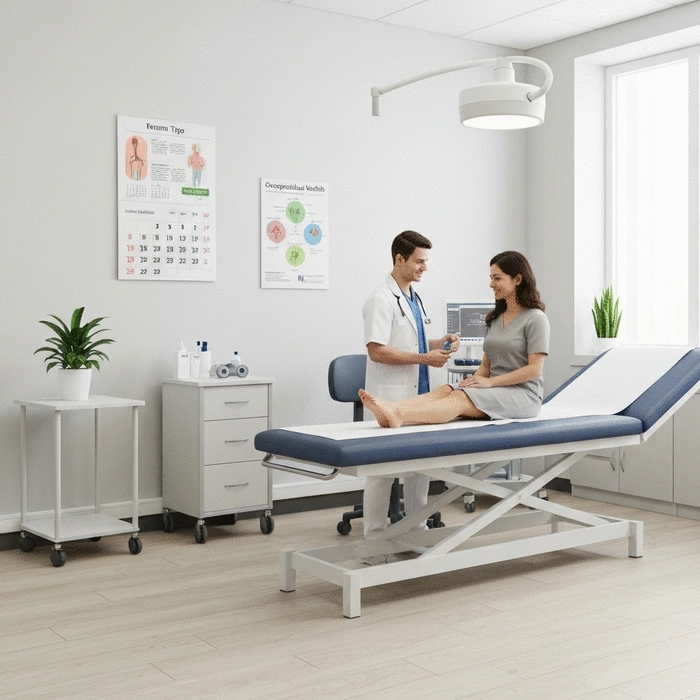
On-site occupational medical services encompass a variety of health-related activities provided at the workplace. These services can include:
- Regular health screenings and assessments
- Immediate treatment for work-related injuries
- Health education and wellness programs
- Monitoring chronic conditions
By offering these services directly at work, employers can create a comprehensive health program that addresses the needs of their workforce without employees needing to leave the premises.
The Role of On-site Care in Modern Work Environments
In today's fast-paced work environments, the role of on-site care has become increasingly vital. With the pressures of meeting deadlines and maintaining productivity, immediate access to healthcare ensures that employees can receive necessary treatment without delays. This not only reduces the time lost to injuries but also promotes a culture of wellness. For more on managing workplace emergencies, consider the importance of first aid courses.
Additionally, on-site care fosters a sense of community and support among employees. Knowing that medical resources are readily available can enhance employee comfort and confidence in their workplace.
Key Components of Occupational Health in the Workplace
To effectively implement on-site occupational medical services, several key components must be considered:
- Risk assessments to identify health hazards
- Regular training and education for employees
- Access to emergency medical services
- Coordination with local healthcare providers for referrals
These components work together to ensure a robust occupational health framework that prioritizes employee well-being and regulatory compliance. By engaging with these elements, businesses can build a safer and more efficient work environment.
Pro Tip
Did you know that integrating mental health support into your on-site occupational medical services can significantly enhance employee well-being? Providing access to mental health resources not only addresses psychological safety but also contributes to overall productivity. Consider implementing regular wellness workshops and offering counseling sessions to create a supportive environment that prioritizes mental health alongside physical health.
Conclusion: Assessing the Value of On-site Occupational Medical Services
As we wrap up our discussion on on-site occupational medical services, it’s clear these services offer a multitude of benefits that can transform workplaces. By enhancing healthcare access, ensuring compliance, and promoting employee wellness, on-site services not only improve the health of your workforce but also contribute significantly to your organization’s bottom line. So, let's summarize the benefits and best practices:
- Enhanced Productivity: Immediate access to medical care can minimize downtime.
- Cost Savings: Reduces healthcare expenses for both employers and employees.
- Improved Morale: A healthier workforce leads to higher retention rates.
- Convenience: On-site services make it easier for employees to access care.
- Regulatory Compliance: Staying aligned with OSHA regulations is essential for safety.
- Employee Wellness: Health screenings and preventive care foster a culture of safety.
Implementing these best practices ensures that your on-site medical services are tailored to meet the specific needs of your workforce. As I’ve seen in my experience with OHS Hub South Africa, organizations that invest in their teams reap significant rewards.
Encouraging Employers to Evaluate On-site Solutions for Their Workforce
As an employer, I highly encourage you to evaluate on-site occupational medical services for your workforce. The potential for improved productivity and employee satisfaction can make a profound difference. Think about your specific industry and how on-site care can directly influence your operations. Ask yourself:
- What healthcare needs are most pressing for my employees?
- How can I ensure my team has quick access to necessary medical services?
- What are the compliance requirements I need to meet?
These questions are vital in guiding your decision-making process. The goal is to create an environment where health and productivity thrive together.

Taking the Next Steps Towards Implementation
Contacting Service Providers and Gathering Quotes
Once you’ve decided to implement on-site occupational medical services, the next step is reaching out to service providers. It's essential to gather quotes from multiple sources to ensure you’re making an informed decision. This will also help you compare services and understand the scope of what’s offered. Don't hesitate to ask questions about their experience in your specific industry!
Utilizing Resources to Develop a Customized Implementation Plan
At OHS Hub South Africa, we believe in the power of customization. Each workplace is unique, and your implementation plan should reflect that. Use available resources to tailor your approach, taking into account:
- Your workforce’s specific health needs
- Industry regulations that must be adhered to
- Logistical considerations for service delivery
By creating a detailed plan, you’ll set the stage for successful implementation and sustained health benefits.
Exploring Regulatory Compliance and Health Benefits Administration
Lastly, ensure you’re well-versed in regulatory compliance and health benefits administration. Understanding the legal framework surrounding occupational health is critical. Keep in mind that compliance doesn’t just protect your business; it also fosters trust with your employees. They will appreciate knowing that you prioritize their health and safety. For guidance on meeting regulatory standards, refer to our article on occupational health practitioners and compliance.
In conclusion, the journey towards implementing on-site occupational medical services is worth it. Not only does it contribute to a healthier workforce, but it also aligns with your organization’s goals. Ready to take the next steps? Let’s work together to cultivate a safe and productive working environment!
Frequently Asked Questions (FAQs)
What are on-site occupational medical services?
On-site occupational medical services are healthcare activities provided directly at the workplace. These can include health screenings, injury treatment, wellness programs, and monitoring of chronic conditions, all aimed at enhancing employee health and safety.
What are the main benefits of implementing on-site medical services?
Key benefits include enhanced productivity due to immediate healthcare access, cost savings for both employers and employees, improved employee morale, convenience, and ensuring compliance with regulatory standards. It also fosters a culture of employee wellness.
What components are essential for a robust on-site occupational health program?
Essential components include conducting risk assessments, providing regular employee training and education, ensuring access to emergency medical services, and coordinating with local healthcare providers for referrals. Integrating mental health support is also a valuable addition.
How can employers evaluate and implement on-site medical solutions?
Employers should evaluate their workforce's specific healthcare needs, gather quotes from multiple service providers, and develop a customized implementation plan. It's also crucial to understand and adhere to regulatory compliance and health benefits administration.
Can on-site medical services save costs for businesses?
Yes, by providing immediate treatment for injuries and promoting preventive care, on-site services can reduce healthcare expenses, minimize lost workdays, and potentially lower insurance premiums, leading to overall cost savings for employers.
Recap of Key Points
Here is a quick recap of the important points discussed in the article:
- Enhanced Productivity: Immediate access to medical care minimizes downtime, keeping operations running smoothly.
- Cost Savings: On-site services can lead to reduced healthcare expenses for both employers and employees.
- Improved Morale: A healthier workforce results in higher retention rates and job satisfaction.
- Convenience: On-site medical services make it easier for employees to access care without leaving the workplace.
- Regulatory Compliance: Ensuring alignment with OSHA regulations is crucial for maintaining workplace safety.
- Employee Wellness: Health screenings and preventive care cultivate a culture of safety and well-being.
 As we approach 2025, many businesses in South Africa will face significant changes to workplace regu
 How prepared is your workplace for the upcoming changes in safety regulations? The 2025 OSHA updates
 In today's fast-paced work environment, the importance of effective training cannot be overstated. W