HAZCOM Importance
- 1. Improves Workplace Safety
- 2. Reduces Business Liability
- 3. Enhances Employee Knowledge
Join the OHS Hub South Africa community for essential safety insights, compliance tips, and product updates.
Posted on: 2026-02-25
By: Thandiwe Mokoena
With workplace safety being more crucial than ever, understanding chemical safety labels and HAZCOM compliance can significantly impact your business's success. Did you know that proper training and labeling can not only protect your employees but also minimize legal liabilities? Let’s dive into the essential takeaways!
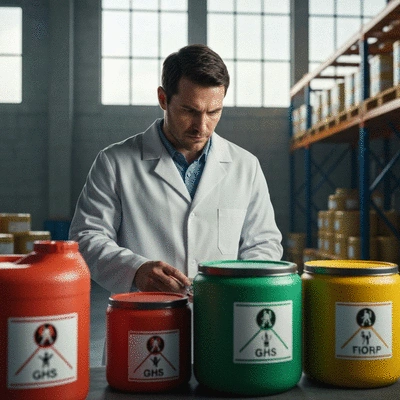
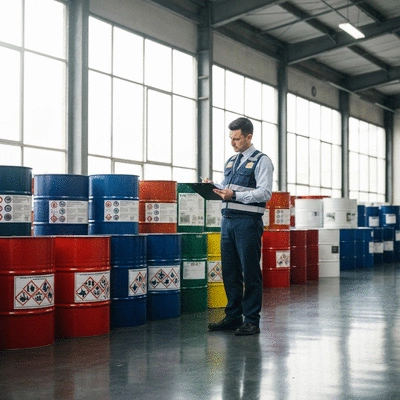
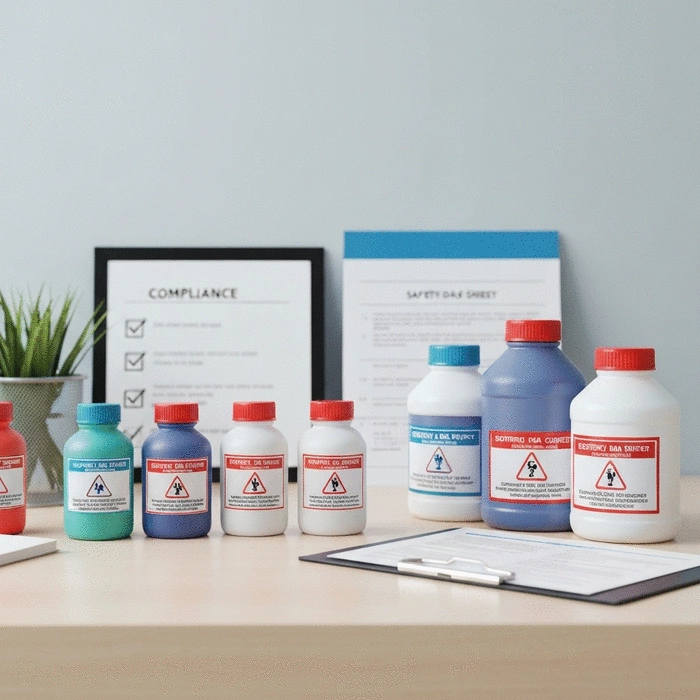
Ensuring workplace safety regarding chemical handling involves several critical components. This visual outlines the essential elements of HAZCOM compliance and GHS implementation. For more insights into related safety measures, consider understanding the nuances of safe handling of hazardous materials.
When it comes to workplace safety, understanding chemical safety is crucial. That's where HAZCOM compliance comes into play. HAZCOM, or Hazard Communication, ensures that all workers are informed about the hazardous substances they may encounter on the job. It's not just a regulatory requirement; it's a vital component of creating a culture of safety within your organization!
By adhering to these standards, you’re not only protecting your employees but also minimizing potential liabilities for your business. It’s essential for fostering a safe work environment, and at OHS Hub South Africa, we are committed to helping businesses like yours navigate these regulations effectively.
HAZCOM compliance refers to the guidelines that require employers to communicate hazards associated with chemicals in the workplace. This includes proper labeling, safety data sheets (SDS), and employee training. Understanding these requirements is vital because they help prevent accidents, injuries, and even fatalities related to chemical exposure.
At OHS Hub South Africa, we emphasize the importance of HAZCOM compliance as part of our mission to promote safety and compliance across businesses. With the right information and resources, you can take proactive steps toward ensuring your workplace is safe.
The Hazardous Chemical Agents Regulations 2021 play a significant role in how businesses manage chemical hazards. This regulation is vital as it lays out the framework for chemical risk management and emphasizes the transition to the Globally Harmonized System (GHS) for labeling and classification. Adopting the GHS means that chemical labels will need specific pictograms and hazard statements, making it easier to identify risks.
As the landscape of chemical safety evolves, it’s essential for businesses to stay updated on these regulations. OHS Hub South Africa is here to guide you in understanding these changes and ensuring compliance, making your transition smoother. For broader training needs, explore our COSHH training for South African workers.
The South African Occupational Health and Safety Act is a cornerstone of workplace safety legislation. It outlines the responsibilities of employers and employees regarding health and safety in work environments, particularly concerning hazardous substances. Key provisions include the need for safe storage, handling procedures, and proper labeling of chemicals.
By familiarizing yourself with this Act, you can ensure that your business not only complies with the law but also promotes a culture of safety that protects your employees. Remember, a well-informed workforce is an empowered workforce!
As the transition to GHS continues, it’s essential for South African businesses to understand its implications for chemical safety. Compliance with GHS is not just a legal obligation; it’s an opportunity to enhance safety and communication in the workplace.
The GHS Rev 8 compliance deadlines are fast approaching, and with the introduction of Rev 10, there are significant updates on the horizon. Businesses need to be aware of these timelines to ensure they are compliant and prepared for any changes. Understanding these deadlines will help you plan your compliance strategies effectively.
Stay ahead of the curve by keeping track of these updates, and don’t hesitate to reach out to OHS Hub South Africa for assistance in staying compliant!
Under the GHS, specific labeling elements are mandatory to ensure safety and clear communication of hazards. These include pictograms, hazard statements (H-codes), precautionary statements (P-codes), and emergency contact information. Incorporating these elements into your chemical labeling will enhance safety and compliance.
Effective labeling can make a significant difference in workplace safety, and OHS Hub South Africa is here to help you implement these requirements seamlessly.
To meet the GHS and local regulations, understanding the specific labeling standards is crucial. Your labels must be clear, consistent, and compliant with all relevant laws. This not only helps ensure safety but also protects your business from penalties.
At OHS Hub South Africa, we provide resources and support to help you develop compliant labels that meet all necessary standards. Regular audits and updates of your labeling practices are essential for maintaining compliance and safety! For more information on workplace safety, including proper signage, explore our guide on safety signage rules in South Africa.
Did you know? Regularly reviewing and updating your Safety Data Sheets (SDS) can significantly enhance your compliance with HAZCOM standards. Keeping these documents current not only helps in legal adherence but also ensures that your employees have access to the most accurate information regarding chemical hazards. Schedule audits at least annually to stay ahead!
HAZCOM compliance, or Hazard Communication, refers to the guidelines that require employers to inform workers about hazardous substances in the workplace through proper labeling, safety data sheets (SDS), and comprehensive employee training. It's crucial for preventing accidents and injuries related to chemical exposure.
The Globally Harmonized System (GHS) is important in South Africa because it standardizes the classification and labeling of chemicals. This ensures clearer and more consistent communication of hazards, thereby enhancing workplace safety and facilitating international trade. Compliance with GHS is a legal obligation and an opportunity to improve safety communication.
Under GHS, essential labeling elements include pictograms (visual symbols conveying hazards), hazard statements (H-codes describing hazard nature and degree), precautionary statements (P-codes providing safety measures), product identifiers, supplier information, and signal words (e.g., "Danger" or "Warning").
Businesses can ensure compliance by conducting regular audits of existing labels, updating Safety Data Sheets (SDS) to meet GHS requirements, implementing routine employee training on HAZCOM standards, and engaging with professional safety compliance consultants for expert guidance and tailored strategies.
The South African Occupational Health and Safety Act is fundamental to workplace safety. It mandates employers' and employees' responsibilities regarding health and safety in work environments, particularly concerning hazardous substances. This includes requirements for safe storage, handling procedures, and proper labeling of chemicals, ensuring a protected workforce.
Understanding the significance of chemical safety labels and HAZCOM standards cannot be overstated! These guidelines are essential in ensuring that businesses not only comply with regulations but also protect their employees from potential hazards associated with chemicals. A robust safety culture begins with clear communication, and labeling plays a pivotal role in that process.
Compliance with these standards helps minimize risks, promote safe handling practices, and foster a proactive safety environment. When employees are informed and trained on the risks associated with hazardous substances, they are empowered to take action to keep themselves and their colleagues safe. This is why adhering to these safety protocols is truly vital!
So, what can businesses do to ensure they are on the right path toward compliance? Here are some immediate actions you can take:
These steps not only help in aligning with legal requirements but also enhance overall workplace safety. At OHS Hub South Africa, we are here to assist you in creating a culture of safety through our resources and expert guidance!
Don’t navigate compliance alone! Engaging with professional support can make a world of difference. Consider utilizing resources such as:
By leveraging these professional resources, you can ensure that your business remains compliant while fostering a safe working environment. This proactive approach not only protects your employees but also enhances your company's reputation.
Partnering with a safety compliance consultant can significantly elevate your chemical safety practices. These experts bring valuable insights into:
At OHS Hub South Africa, we believe that engaging with safety compliance consultants can lead to more effective strategies and better outcomes for your business. Together, we can build a safer workplace that prioritizes health and compliance!
Here is a quick recap of the important points discussed in the article: