Core Aspects of COSHH Training
- Identify hazardous substances
- Recognize exposure symptoms
- Read safety data sheets (SDS)
- Implement control measures (PPE, ventilation)
Join the OHS Hub South Africa community for essential safety insights, compliance tips, and product updates.
Posted on: 2025-11-30
By: Thandiwe Mokoena
How prepared is your workplace when it comes to handling hazardous substances? In South Africa, understanding COSHH training isn’t just beneficial—it’s essential for ensuring employee safety and compliance with legal standards. Let’s explore the fundamental insights that can help transform your organization into a safer work environment.
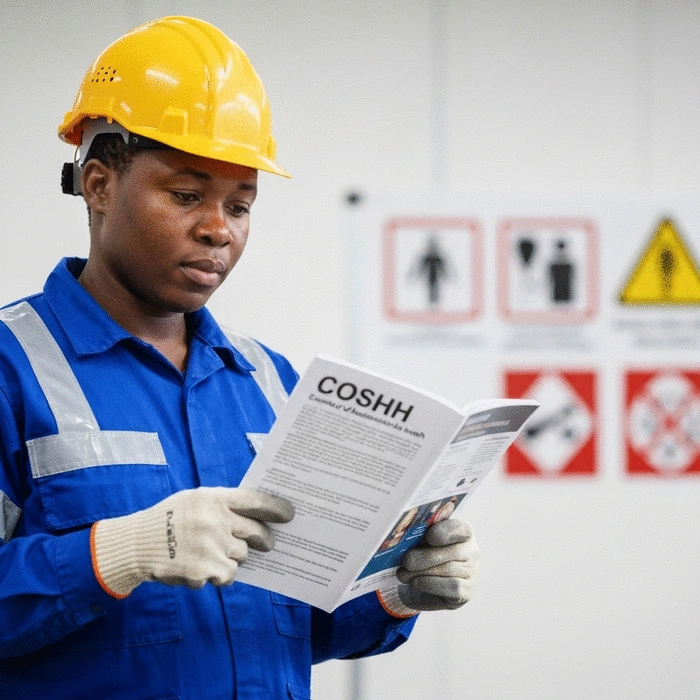
This visual outlines the core aspects of COSHH (Control of Substances Hazardous to Health) training, its importance, and the continuous cycle of compliance and improvement within South African workplaces.
COSHH, or the Control of Substances Hazardous to Health, is a vital part of workplace safety in South Africa. It’s important for businesses to understand how COSHH training protects not only their employees but also the company as a whole. Did you know that proper COSHH training can significantly reduce workplace incidents related to hazardous substances? With my background in occupational health and safety, I can’t stress enough how essential it is for all workers to be aware of these policies.
This training provides a foundation for recognizing hazardous materials, conducting thorough risk assessments, and implementing safety measures. The implications of not adhering to these regulations can lead to severe health risks for employees and potential legal repercussions for employers. So, let’s dive deeper into what COSHH training entails, and why it’s so crucial for our work environments in South Africa! Additionally, it's beneficial to understand how COSHH principles align with other essential safety protocols like site manager's guide to compliance, ensuring a holistic approach to workplace safety.
COSHH training equips workers with the necessary knowledge to handle hazardous substances safely. This training covers a range of topics, including how to identify harmful chemicals and the procedures needed to mitigate associated risks. Having skilled individuals in the workplace creates a more secure environment for everyone. It’s not just about compliance; it’s about building a culture of safety that enhances overall productivity.
By being well-informed through COSHH training, workers feel more confident in their ability to respond effectively to incidents, which ultimately contributes to a safer workplace.
The legal landscape surrounding COSHH in South Africa is shaped by several regulations designed to protect workers from hazardous substances. Key legislation includes the Occupational Health and Safety Act, which mandates employers to maintain a safe working environment. As a business owner, I’ve seen how understanding this framework can help companies avoid costly penalties and improve safety outcomes.
Being compliant with these legal requirements not only ensures the safety of employees but also nurtures trust and credibility within the workplace.
COSHH regulations have a profound impact on workplace safety by establishing clear guidelines for handling hazardous substances. These regulations ensure that businesses identify potential hazards and take appropriate measures to minimize risks. As someone who has been actively involved in promoting workplace safety, I believe that understanding these regulations is crucial for every organization. This also extends to related areas such as understanding how to obtain a fitness certificate for work, which often requires knowledge of potential workplace exposures.
By adhering to COSHH regulations, companies not only enhance the safety of their workers but also foster a proactive approach to risk management, which is essential for long-term success.
What do you think about the importance of COSHH training in your workplace? Share your thoughts below:
After completing COSHH training, it's crucial to ensure that the knowledge gained translates into effective workplace practices. This doesn’t end with the training sessions; rather, ongoing management and compliance monitoring are essential to embed safety into your workplace culture. In my experience with OHS Hub South Africa, I've seen that organizations that actively engage in post-training strategies significantly reduce hazardous incidents.
One of the key aspects of maintaining compliance is to regularly monitor the effectiveness of COSHH training. This includes evaluating employee awareness and adherence to safe practices. A systematic approach can help identify gaps and areas for improvement, ensuring that your workplace remains compliant and safe.
To effectively assess how well your COSHH training is performing, consider implementing regular evaluations. Here are some strategies to monitor effectiveness:
These tools can help pinpoint specific areas needing more focus. Remember, the goal is to create an environment where safety is a shared responsibility!
Engaging employees in safety practices not only enhances compliance but also cultivates a culture of safety within the organization. It’s essential to involve all team members in hazard management processes. Here’s how you can do that:
Building a community around safety can transform the workplace environment, making safety everyone’s priority. At OHS Hub South Africa, we believe that employee engagement leads to a more robust safety culture!
Conducting regular safety audits can significantly improve compliance and safety standards in your workplace. These audits help identify potential hazards and measure the effectiveness of existing safety measures. Here’s a simple guide for implementing safety audits:
By continuously evaluating safety practices, you ensure that your workplace stays ahead of potential hazards. Remember, safety is not a one-time effort; it’s an ongoing commitment!
In the dynamic world of occupational health and safety, staying updated on emerging hazards and regulatory changes is vital. As part of our commitment at OHS Hub South Africa, we encourage businesses to remain vigilant and proactive in their safety practices. Understanding new threats can help prevent incidents before they occur! For instance, knowing about potential hazards can directly influence your choices when selecting the right PPE gloves for specific tasks.
New chemical threats emerge regularly, and it’s important to be aware of them and their implications for COSHH training. This can involve:
By staying informed, you can effectively adapt your safety programs and training to meet current challenges.
Continuous learning is key to effectively managing workplace safety. Safety practices should evolve with advancements in knowledge and technology. Here are some ways to promote continuous learning:
This approach not only enhances knowledge but also empowers your team to take ownership of safety practices!
Regular workplace inspections and compliance with environmental regulations are crucial for maintaining a safe work environment. Here are some tips for staying compliant:
By integrating these practices, you can foster a culture of compliance and safety that benefits everyone in the workplace!
If you haven’t yet enrolled in COSHH training, now is the time to take action! At OHS Hub South Africa, we believe that well-trained employees are the backbone of any successful safety program. Let’s explore how to get started!
To embark on your COSHH training journey, follow these simple steps:
Taking this first step is vital to ensuring a safe and compliant work environment!
In summary, effectively implementing COSHH training can tremendously enhance workplace safety. Remember the key points:
At OHS Hub South Africa, we are dedicated to supporting businesses in this journey!
As you consider options for COSHH training, explore the various programs available tailored to specific industry needs. Reach out to us at OHS Hub South Africa to discover comprehensive training solutions designed to empower your workforce. Together, we can build a safer working environment for all!
Here is a quick recap of the important points discussed in the article: