What is POPIA?
Safeguards personal information processed by public and private bodies in South Africa, promoting privacy while balancing business needs.
Join the OHS Hub South Africa community for essential safety insights, compliance tips, and product updates.
Posted on: 2026-02-28
By: Thandiwe Mokoena
Compliance with the Protection of Personal Information Act (POPIA) is more than just a legal requirement; it's a commitment to building trust in your workplace. By understanding this act, OHS professionals can better protect sensitive health information and foster a culture of safety. Here’s what you can gain from mastering POPIA and its implications.
Understanding the core components of the POPI Act is essential for OHS professionals to safeguard personal information and maintain trust. For a broader understanding of legal frameworks influencing occupational health, you might find our guide on Complying with South Africa's OHS Act particularly insightful.
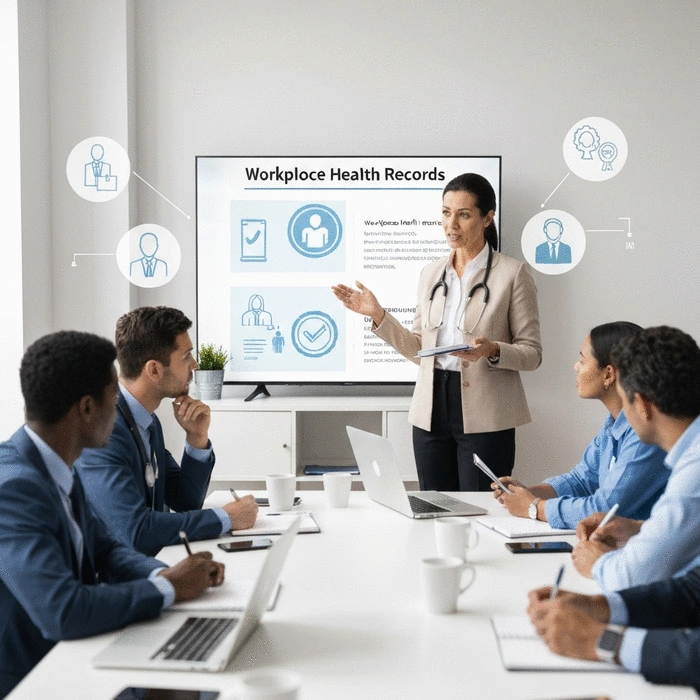
As an OHS professional, I can't stress enough the importance of understanding the Protection of Personal Information Act (POPIA). This legislation is crucial for safeguarding personal information in South Africa, especially in occupational health settings. So, what exactly is POPIA all about, and why should we prioritize it?
POPIA was enacted to protect personal information processed by public and private bodies. Its main aim is to promote the right to privacy while also balancing the need for information in a business context. For us at OHS Hub South Africa, this means ensuring that the health records we manage comply with legal standards and protect individuals' rights.
This act lays down the framework for how information should be handled and gives individuals more control over their data. As OHS professionals, we must understand these guidelines to implement them effectively in our organizations!
Understanding the terminology used in POPIA is essential. Here are some key definitions:
Grasping these definitions helps us navigate POPIA and implement it in our health and safety practices. It’s vital to be aware of the responsibilities tied to managing personal information.
Compliance with POPIA is not just about avoiding legal penalties; it's about fostering trust in the workplace. When employees know their personal information is protected, it enhances their confidence in the health systems in place. For OHS professionals, prioritizing compliance means ensuring that all data handling practices are transparent and ethical. This commitment extends to all aspects of workplace health, including critical procedures like PEP Protocols for Workplace Safety.
Furthermore, avoiding data breaches can save us from severe repercussions, including reputational damage and financial losses, which can be detrimental to both employees and the organization.
Poor data management can lead to numerous issues in the workplace. Here are some potential impacts:
By recognizing these risks, we can address them proactively and ensure our workplaces remain safe and compliant. After all, the goal is to create a culture of safety and respect for privacy!
Privacy and confidentiality are cornerstones of effective occupational health management. It’s imperative to handle employees’ health information with the utmost care and respect. This not only aligns with POPIA requirements but also reflects our commitment to ethical practices. By ensuring confidentiality, we foster an environment where employees feel safe to disclose necessary health information.
In conclusion, understanding POPIA and its implications for our work in occupational health is vital. It enables us to protect personal information and strengthens the trust employees place in their workplace health systems. Let’s commit to learning more about these regulations and implementing them effectively!
As an OHS professional, how confident do you feel about your understanding of the POPIA regulations? Share your thoughts below:
As an occupational health and safety professional, understanding the Protection of Personal Information Act (POPIA) is vital for ensuring your workplace adheres to data protection laws. POPIA compliance training equips OHS professionals with the essential knowledge and skills needed to manage personal information effectively. This is not just about legal compliance; it's about fostering a culture of trust and safety in the workplace!
Here’s what you should take away from POPIA training:
With the right POPIA training, you will gain an in-depth understanding of data protection principles. This training covers key aspects such as consent, accountability, and the lawful processing of personal information. As you navigate your OHS responsibilities, these insights will help you protect sensitive health records and maintain compliance with South African regulations. For further training opportunities, consider Essential Safety Training for Leaders to enhance your team's overall safety knowledge.
Additionally, you'll learn how to identify and mitigate potential data breaches, ensuring the safety of your staff's information while enhancing your organization’s credibility. A culture of safety is built on trust, and part of that trust comes from how we handle personal data.
Compliance isn’t a one-time effort—it’s an ongoing process. The landscape of data protection is constantly evolving, and staying informed is crucial. Regular participation in training sessions will help you prepare for changes in legislation and emerging best practices. Think of it as building your toolkit for success in OHS!
As a professional in this field, I encourage you to continuously educate yourself. Keeping abreast of changes not only enhances your skills but also ensures that your business remains compliant and competitive.
Finding the right POPIA compliance course can feel overwhelming, but it doesn't have to be! Here are some tips to guide your selection:
Choosing a course that aligns with your specific needs will make a significant difference in your learning experience!
At OHS Hub South Africa, we aim to empower professionals like you by providing access to a variety of resources. Our platform offers curated training programs, templates, and guides that will help you strengthen your data protection skills. Engaging with these resources can enhance your compliance efforts and prepare you for challenges ahead.
In a world where data protection is increasingly critical, ongoing professional development is essential for OHS professionals. Regular training not only keeps you compliant but also boosts your confidence and effectiveness in managing workplace health records. Embrace this as a journey of continuous improvement, and ensure your workplace is a safe haven for all. For understanding the legal intricacies of occupational health, exploring resources on Occupational Health Practitioners and Compliance can be highly beneficial.
Here is a quick recap of the important points discussed in the article: