HIRA Training Components
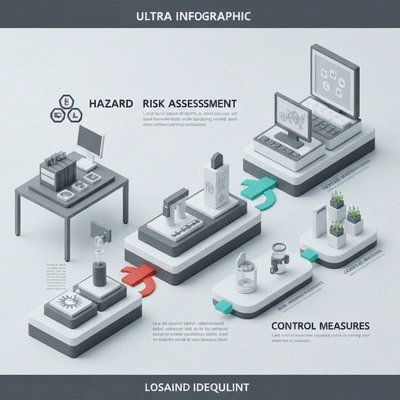
- •Hazard Identification: Recognizing factors that may cause injury or illness.
- •Risk Assessment: Evaluating likelihood and severity of harm.
- •Control Measures: Implementing strategies to eliminate or reduce risks.
Join the OHS Hub South Africa community for essential safety insights, compliance tips, and product updates.
Posted on: 2025-12-14
By: Thandiwe Mokoena
When it comes to workplace safety, understanding the basics is crucial. With nearly 4,000 workplace injuries occurring every day in South Africa, the need for effective Hazard Identification and Risk Assessment (HIRA) training cannot be overstated. Let's explore how HIRA training can significantly enhance workplace safety and foster a proactive safety culture.
HIRA training focuses on identifying hazards, assessing risks, and implementing control measures. It leads to improved safety awareness, regulatory compliance, and enhanced productivity. For a deeper dive into workplace safety training, consider exploring various first aid courses levels explained.
When it comes to ensuring a safe workplace, HIRA training, or Hazard Identification and Risk Assessment training, is fundamental. It equips employees with the knowledge and skills to identify potential hazards and assess risks effectively. In my experience at OHS Hub South Africa, I've seen firsthand how HIRA training can transform safety practices and create a culture of vigilance within organizations.
Many businesses underestimate the importance of this training, but it lays the foundation for a proactive approach to safety. By understanding HIRA, your team can not only comply with regulations but also foster a safer working environment. This training is a crucial step in building a robust safety framework that benefits everyone.
HIRA training focuses on empowering employees to detect and evaluate workplace hazards. It involves a systematic process of identifying risks, evaluating their potential impact, and implementing control measures. In simple terms, it teaches workers to foresee problems before they escalate into incidents.
As we strive for excellence at OHS Hub South Africa, we know that HIRA training is not just about compliance; it’s about enhancing the overall safety culture within your organization. Investing in this training can yield significant dividends in terms of employee wellbeing and business continuity. For instance, understanding proper hazard management can also be applied to specific areas like forklift operator training in South Africa, where precise risk assessment is crucial.
At its core, hazard identification and risk assessment involve a clear understanding of what constitutes a hazard and how to evaluate its potential impact. A hazard can be anything that has the potential to cause harm, whether it’s physical, chemical, or biological. The process entails a step-by-step approach that includes identifying hazards, assessing risks, and determining suitable control measures.
The main components of HIRA include:
Understanding these components is crucial for anyone involved in occupational health and safety. With a solid grasp of HIRA principles, businesses can take proactive steps to mitigate risks, creating a safer workplace for everyone.
In South Africa, various regulations dictate how businesses implement HIRA training and maintain safety standards. The Occupational Health and Safety Act (OHSA) is one of the primary regulations that guide organizations in managing health and safety risks. It emphasizes the importance of conducting risk assessments and outlines the responsibilities of employers and employees.
Complying with these regulations not only fosters a safer working environment but also protects your business from potential legal ramifications. By prioritizing HIRA training and aligning with safety regulations, you’re taking significant steps towards protecting both your employees and your organization. This proactive approach is fundamental, much like the importance of understanding COSHH training for South African workers to manage hazardous substances.
How has HIRA training impacted your workplace safety practices? Share your thoughts below:
A1: HIRA training, or Hazard Identification and Risk Assessment training, equips employees with the knowledge and skills to identify potential workplace hazards, assess their risks, and implement control measures to mitigate them.
A2: HIRA training is crucial for enhancing workplace safety, ensuring regulatory compliance with laws like the Occupational Health and Safety Act (OHSA), improving employee morale, and ultimately fostering a proactive safety culture that reduces accidents and increases productivity.
A3: The main components of HIRA include Hazard Identification (recognizing potential sources of harm), Risk Assessment (evaluating the likelihood and severity of harm), and Control Measures (implementing strategies to eliminate or reduce risks).
A4: For employees, HIRA training leads to improved safety awareness, reduced exposure to hazards, and a safer working environment. It empowers them to contribute to their own safety and the safety of their colleagues.
A5: Yes, effective hazard management through HIRA training can lead to significant long-term financial benefits, including decreased insurance premiums due to fewer claims, enhanced reputation, improved productivity, and lower employee turnover rates.
At OHS Hub South Africa, we deeply believe in the value of effective HIRA training. It’s not just about compliance; it’s about enhancing workplace safety standards across the board. HIRA training equips employees with the skills to identify hazards and assess risks proactively, leading to fewer accidents and injuries at work!
The benefits of HIRA extend beyond immediate safety improvements. By implementing HIRA practices, organizations can create a more informed workforce, reducing the likelihood of incidents and fostering a culture of safety. In the long run, the adoption of such rigorous safety protocols can also lead to financial savings for businesses by minimizing downtime and potential legal liabilities.
One of the standout advantages of HIRA training is its role in elevating workplace safety standards. By integrating systematic hazard identification and risk assessment into daily operations, employers can:
When employees feel safe and valued, they are more likely to contribute positively to the organization. It’s a win-win situation!
Effective hazard management through HIRA training not only addresses immediate risks but also presents long-term advantages. Think about these compelling benefits:
As you can see, the implications of effective hazard management reach far beyond the workplace. They can shape the future of your organization!
Creating a strong safety culture is an essential part of any successful business. HIRA training lays the groundwork for this culture by encouraging open communication about safety issues and empowering employees to take responsibility for their safety. When everyone is on board, the organization benefits:
At OHS Hub South Africa, we’re committed to helping you build this safety culture through our comprehensive resources and training programs. Together, let's ensure your workplace is a safe haven!
Here is a quick recap of the important points discussed in the article: