OHS Act 85 of 1993: Core Purpose
Ensures employer prioritization of employee well-being, prevents workplace injuries, and fosters a culture of safety. Safety signage is crucial for hazard communication and emergency guidance.
Join the OHS Hub South Africa community for essential safety insights, compliance tips, and product updates.
Posted on: 2025-12-01
By: Thandiwe Mokoena
What if a simple sign could save a life? In the realm of workplace safety, understanding the requirements of the OHS Act 85 of 1993 is not just a legal obligation but a crucial step towards fostering a safe environment. This article reveals essential insights that every employer should know to safeguard their workforce.
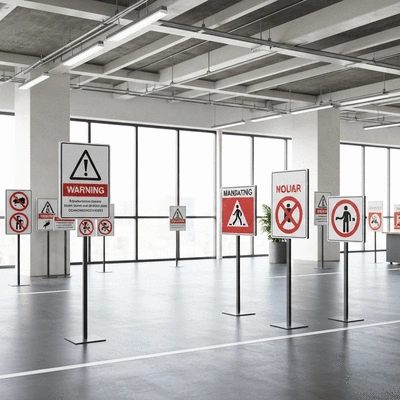
This visual summarizes the essential components of safety signage compliance under the OHS Act 85 of 1993, highlighting employer obligations, best practices, and steps for continuous improvement.
Ensures employer prioritization of employee well-being, prevents workplace injuries, and fosters a culture of safety. Safety signage is crucial for hazard communication and emergency guidance.
Understanding the OHS Act 85 of 1993 is essential for any business operating in South Africa. This piece of legislation forms the backbone of occupational health and safety practices, ensuring that employers prioritize their employees' well-being. Its main objective is to prevent workplace injuries and create a culture of safety, compliance, and awareness across various industries. To learn more about broader compliance, check out this Site Manager's Guide to Compliance.
As a dedicated occupational health and safety professional, I have seen the difference that proper signage can make. When businesses understand and implement the guidelines set forth in the OHS Act, they foster a safer working environment, which ultimately leads to enhanced productivity and morale.
The OHS Act 85 of 1993 lays out the legal framework for workplace safety in South Africa. It emphasizes the responsibilities of employers to ensure safe working conditions and mandates specific safety measures. Among these measures, safety signage is crucial as it communicates essential information that can prevent accidents and injuries.
By adhering to this act, businesses are not only complying with legal requirements but also demonstrating their commitment to employee health and safety.
Compliance with safety signage requirements serves several critical objectives. First, it enhances worker awareness of potential hazards in the workplace. Second, it provides essential information that can help prevent accidents, ensuring that employees know how to react in emergencies. Lastly, proper signage fosters a culture of responsibility where safety is a shared priority.
As I always remind businesses I work with at OHS Hub South Africa, investing in effective signage is investing in the overall health of your workforce!
Employers have specific legal obligations under the OHS Act regarding safety signage. They must ensure that all signs are visible, legible, and appropriately placed. Additionally, employers are required to regularly assess the condition of these signs and replace them as needed to maintain compliance.
Failure to comply with these obligations can lead to serious consequences, including fines and increased liability in the event of workplace accidents. At OHS Hub South Africa, we emphasize the importance of understanding these legal requirements to help businesses avoid potential pitfalls. For instance, ensuring proper firefighting training basics is another crucial legal obligation.
Did you know that regularly updating your safety signage can significantly reduce workplace accidents? Keeping your signs current not only ensures compliance with the OHS Act but also reinforces a culture of safety. Make it a routine to review and refresh signage based on workplace changes or new safety protocols!
In today's workplace, understanding compliance duties related to safety signage is more crucial than ever. The Occupational Health and Safety Act emphasizes that every workplace must have clear and effective signage to promote safety and compliance. As an occupational health and safety professional, I often see how proper signage can significantly enhance safety culture in organizations. Let’s break down some key takeaways!
These points serve as a foundation for understanding your compliance duties, but they also help cultivate a culture of safety. When everyone is informed and diligent, the workplace becomes a safer environment for all!
It’s essential to recognize that safety signage is not a "set it and forget it" situation. The importance of ongoing education cannot be overstated! Regular training sessions should be scheduled to keep everyone up-to-date with any changes in safety regulations or new signage required.
At OHS Hub South Africa, we believe that knowledge is power! Keeping your team informed not only boosts morale but also fosters a culture where safety is everyone's responsibility.
Creating a robust safety culture hinges on effective communication, and signage plays a vital role in that! Safety signs should not only inform but also empower employees to take ownership of their safety and the safety of others. This is where the significance of effective signage into play.
By integrating these best practices into your workplace, you can develop a culture where safety is paramount, paving the way for compliance and best practices across your organization.
Now that we’ve laid the groundwork for understanding compliance duties and the importance of effective signage, it’s time to take action! Let’s empower our workplaces to be the safest they can be.
Start with a thorough assessment of your current signage. Here’s a quick checklist to guide you:
By conducting this assessment, you can ensure that your workplace is not just compliant but also proactive in safety measures!
Don't stop after your initial assessment! Encourage a culture of continuous improvement. This can be achieved through:
At OHS Hub South Africa, we’re dedicated to keeping you informed and compliant so that your workplace remains a safe haven!
Lastly, don't forget the importance of collaboration! Engaging with Safety Compliance Officers and Health and Safety Representatives (HSRs) can ensure that you have the right guidance. Consider:
Through collaboration, you can enhance the effectiveness of your safety signage and create an environment where safety is everyone's priority. Let’s work together to build a safer tomorrow! This also extends to ensuring the well-being of employees through regular workplace medicals.
Here is a quick recap of the important points discussed in the article: