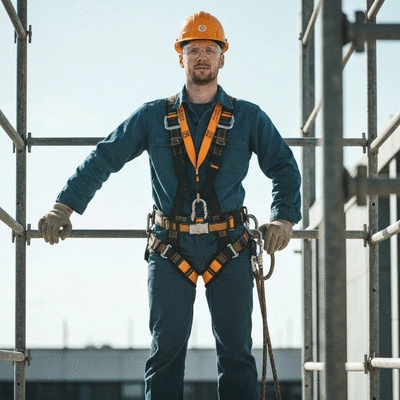
What is Fall Protection Planner Certification?
Specialized credential confirming ability to design, implement, and manage fall protection systems. Covers hazard identification, risk assessment, and compliance.
Join the OHS Hub South Africa community for essential safety insights, compliance tips, and product updates.
Posted on: 2026-01-20
By: Thandiwe Mokoena
Did you know that nearly 4,000 workplace injuries occur every day in South Africa? Ensuring safety in environments where falls are a risk is crucial, and Fall Protection Planner Certification is a vital step in that direction.
Fall Protection Planner Certification is crucial for workplace safety. It involves several key aspects, from ensuring compliance to fostering a safer work culture. The visual below highlights the core benefits and importance of this certification. For those looking to manage site safety comprehensively, understanding site manager's guide to compliance is also highly beneficial.
Specialized credential confirming ability to design, implement, and manage fall protection systems. Covers hazard identification, risk assessment, and compliance.
Regulations (e.g., OSHA) shape safety standards. Compliance protects employees, minimizes liabilities, and ensures robust safety protocols.
In today's workplace, ensuring safety is a paramount concern, especially in industries where falls are a risk. That's where Fall Protection Planner Certification comes into play. This certification equips professionals with the knowledge and skills necessary to develop and implement effective fall protection programs. By understanding the principles of safety planning, certified individuals can significantly reduce the risk of accidents and injuries.
As someone deeply invested in occupational health and safety, I can attest to the critical role this certification plays in fostering safer work environments. Not only does it enhance compliance with regulations, but it also establishes a culture of safety that benefits everyone involved.
Fall Protection Planner Certification is a specialized credential that confirms a professional’s ability to design, implement, and manage fall protection systems. This certification typically covers essential topics such as hazard identification, risk assessment, and compliance with relevant safety regulations. Having a certified planner on-site can be a game-changer for organizations aiming to mitigate fall-related hazards.
Certification can vary based on the certifying body, but most programs include a combination of classroom instruction and practical exercises. This hands-on approach ensures that planners are well-prepared to face real-world challenges. For those working in hazardous environments, additional training such as confined space training and compliance is also highly recommended.
Certifying individuals in fall protection not only enhances workplace safety but also boosts employee confidence. When workers know that a qualified professional has designed their safety systems, they feel more secure and are likely to perform better. Plus, certification demonstrates a company's commitment to safety, which can improve its reputation and trust with clients and stakeholders.
At OHS Hub South Africa, we believe that investing in fall protection certification is crucial for any business that prioritizes safety. The benefits extend far beyond compliance; they influence overall workplace morale and productivity.
Did you know? Regularly reviewing and updating your fall protection plans can significantly enhance workplace safety. Make it a practice to conduct safety audits and involve your team in these discussions. Their firsthand experience can provide valuable insights into potential hazards and improvements.
Fall Protection Planner Certification is a specialized credential that confirms a professional's ability to design, implement, and manage fall protection systems, covering hazard identification, risk assessment, and compliance with safety regulations.
This certification is crucial because it equips professionals to develop effective safety programs, reduces workplace accidents, enhances compliance with OSHA and ANSI regulations, and fosters a proactive safety culture within organizations.
Key benefits include improved safety awareness, reduced risk of fall-related accidents and liabilities, enhanced compliance with OSHA and ANSI regulations, increased employee confidence and morale, and a stronger organizational reputation in safety standards.
Certification ensures that individuals are trained in the latest industry standards and best practices, which is essential for adhering to regulations like those set by OSHA. This not only protects employees but also minimizes legal liabilities for businesses.
The first steps involve finding accredited training providers that offer comprehensive programs aligned with OSHA and ANSI standards, utilizing resources for further learning, and preparing with essential learning materials like textbooks and safety manuals.
Investing in Fall Protection Planner Certification offers numerous benefits that enhance workplace safety and compliance. For businesses, this certification is not just an added credential; it's a vital step towards ensuring that your team is trained to handle potential fall hazards effectively. With the proper training, employers can significantly reduce the risk of accidents, ultimately protecting their most valuable asset—their employees.
Moreover, certified planners are equipped with the knowledge to implement effective safety protocols that adhere to regulatory standards, which can enhance overall workplace morale and compliance. This certification demonstrates a company’s commitment to safety, which can also improve its reputation in the industry.
Training not only empowers employees but also fosters a culture of safety within the workplace. By investing in Fall Protection Training, companies can cultivate an environment where safety is prioritized, making for a more productive and secure workplace.
Certification in fall protection is crucial for several reasons. It ensures that individuals are trained in the latest industry standards and best practices. This knowledge is essential for identifying and mitigating potential fall hazards in various work environments. Additionally, certified professionals are adept at selecting and implementing the right fall protection systems, which is a critical aspect of workplace safety.
Furthermore, certification serves as a formal recognition of a planner's capabilities. When a business employs certified individuals, it signals to clients and stakeholders that safety is taken seriously. At OHS Hub South Africa, we understand the importance of this certification and encourage businesses to prioritize training for their teams.
Industry regulations play a significant role in shaping safety standards. Understanding these regulations, such as those set by OSHA, is vital for any organization involved in high-risk work environments. Compliance with these regulations not only protects employees but also minimizes legal liabilities for businesses.
Therefore, it’s essential to stay updated on evolving regulations and how they impact workplace safety protocols. By ensuring that your team is well-versed in these requirements, you can create a robust safety culture that aligns with the latest standards, much like understanding the specifics of working at heights certification.
Ready to take the plunge into Fall Protection Planner Certification? It’s an exciting journey towards enhancing workplace safety! The next steps are straightforward, and I’m here to guide you through them.
The first step in your certification journey is to find a reputable and accredited training provider. Look for organizations that offer comprehensive training programs aligned with OSHA and ANSI standards. At OHS Hub South Africa, we can connect you with various accredited providers that meet your needs!
By choosing the right training provider, you ensure that you and your team receive quality education that prepares you for real-world challenges.
In addition to formal training, there are plenty of resources available for further learning. Books, online courses, and workshops can provide valuable insights into fall protection planning. Make sure to leverage these resources to deepen your understanding of safety practices.
These additional resources can significantly enhance your knowledge and skills, making you a more effective safety planner. Moreover, for comprehensive safety management, familiarizing yourself with HIRA training can further bolster your expertise.
Before starting your training, ensure you have the necessary materials to get the most out of your experience. This can include textbooks, safety manuals, and practice exercises. Having the right materials prepares you mentally and physically for the training ahead.
At OHS Hub South Africa, we are committed to supporting your journey towards certification. We offer various resources and connections to help you succeed in your training and beyond!
Here is a quick recap of the important points discussed in the article: