Compliance Assurance
Aligns with South African legislation and ensures your organization meets legal safety requirements.
Join the OHS Hub South Africa community for essential safety insights, compliance tips, and product updates.
Posted on: 2025-11-24
By: Thandiwe Mokoena
Consider this: every day, countless workers enter confined spaces, often unaware of the unseen dangers lurking within. Proper training can mean the difference between safety and disaster. That's why understanding confined space entry training is not just a requirement—it's a lifeline.
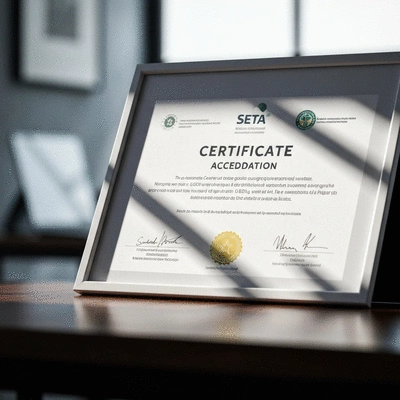
Understanding the critical advantages of SETA-accredited training for confined space entry is essential for workplace safety and compliance. This visual highlights the core benefits for organizations.
Aligns with South African legislation and ensures your organization meets legal safety requirements.
Learn from qualified instructors providing practical knowledge and real-life scenarios.
Empower employees to prioritize safety and contribute to a safer work environment.
Connect with other professionals and organizations committed to safety.
As an occupational health and safety professional, I've seen firsthand how critical confined space entry training is to ensure a safe working environment. Confined spaces can pose serious risks, from lack of oxygen to hazardous gases, making it essential for workers to be properly trained before entering these areas. This training equips them with the necessary skills to identify potential hazards and respond appropriately to emergencies, ultimately safeguarding lives. For more insights into essential workplace safety, consider exploring how to obtain a fitness certificate for work, which is often a prerequisite for such roles.
At OHS Hub South Africa, we believe that every worker has the right to a safe workplace. That's why we connect businesses with essential training resources, including courses specifically designed for confined space entry. Understanding the fundamentals of this training is not just about compliance; it's about fostering a culture of safety and preparedness in every organization.
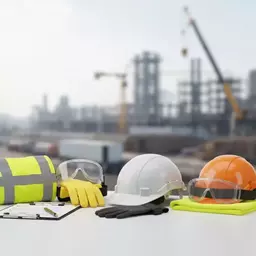
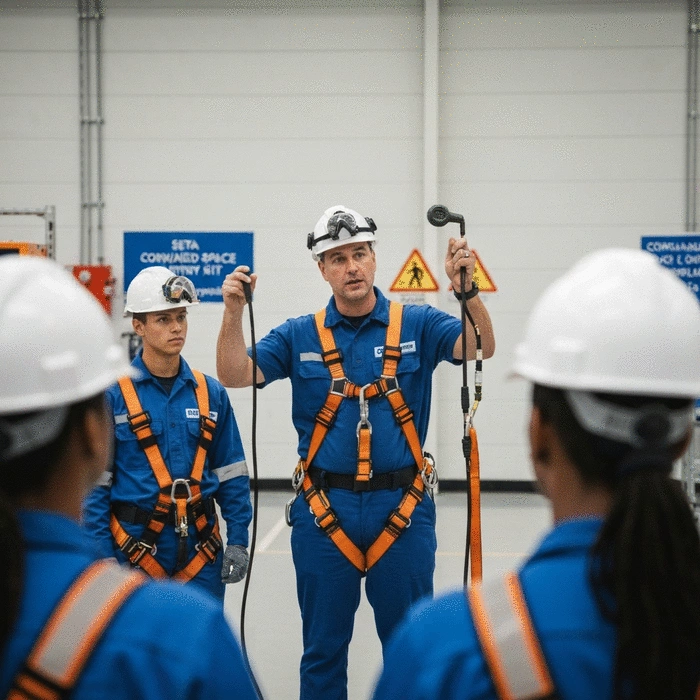
Confined space entry training prepares workers for the unique challenges they may face while working in restricted spaces. These environments can include tanks, silos, or underground vaults, where safety risks are magnified. The training covers essential topics such as hazard recognition, emergency procedures, and the correct use of personal protective equipment (PPE).
This knowledge is crucial—not just for compliance with regulations, but for empowering workers to make informed decisions that protect themselves and their teammates.
When it comes to occupational health and safety, compliance is non-negotiable. That's where SETA (Sector Education and Training Authority) accreditation comes into play. This accreditation ensures that training programs meet industry standards and are recognized by regulatory bodies. For businesses, this means reduced liability and enhanced credibility when it comes to safety practices. This is similar to the importance of specialized training for other high-risk roles, such as forklift operator training in South Africa, where accredited courses ensure competence and safety.
Incorporating SETA-accredited training into your safety strategy not only fulfills legal obligations but also demonstrates your commitment to workplace safety. It’s an investment in both your employees' safety and your organization's reputation in the industry.
Occupational health and safety (OHS) plays a pivotal role in the management of confined spaces. OHS practices help identify risks, establish safety protocols, and promote a culture of safety within the workplace. At OHS Hub South Africa, we prioritize these practices because we understand that safety is not just about compliance, but about creating an environment where employees can thrive without fear of accidents.
In essence, a robust OHS framework is essential for mitigating risks associated with confined spaces and ensuring that all workers are prepared to handle potential emergencies effectively.
What challenges have you faced in ensuring confined space safety at your workplace? We want to hear your thoughts and experiences!
As we wrap up our discussion on confined space entry training, it's clear that enrolling in SETA-accredited courses is not just a smart choice; it's essential for ensuring workplace safety. These training programs equip participants with the knowledge and skills needed to navigate the dangers of confined spaces effectively. Remember, safety should never be an afterthought!
By investing in a comprehensive training program, you are taking a proactive step towards compliance and reducing the risk of accidents in the workplace. With the right training, your team will be better prepared to identify hazards, use personal protective equipment (PPE) correctly, and respond to emergencies. Just as important as confined space safety, understanding first aid courses levels explained can be crucial for immediate response to any workplace incident.
Choosing to enroll in SETA-accredited courses offers numerous benefits, which can significantly impact your organization’s overall safety culture. Here are some key reasons to consider:
At OHS Hub South Africa, we believe that fostering a culture of safety begins with education. Enrolling in these courses is the first step in that journey!
Ready to take the next step? Enrolling in a SETA-accredited course is simple! Here’s what you need to do:
Don’t wait until it’s too late—ensure your workforce is prepared and compliant today! The safety of your team is not just a priority; it’s a commitment.
Training is more than just a requirement; it’s a vital component of a thriving safety culture in any organization. When employees feel equipped and confident in their ability to handle confined spaces safely, it fosters a sense of responsibility and teamwork.
By regularly engaging in training and refresher courses, you create an environment where safety becomes second nature. This proactive approach not only protects your employees but also enhances productivity and morale.
As the owner of OHS Hub South Africa, I am passionate about empowering businesses like yours to achieve their safety goals. Let’s work together to cultivate a culture of safety that resonates throughout your organization!
Here is a quick recap of the important points discussed in the article:
Confined space entry training educates workers on the risks associated with entering and working in confined spaces (e.g., tanks, silos, vaults) and equips them with the necessary skills for hazard identification, emergency procedures, and proper use of personal protective equipment (PPE).
SETA accreditation ensures that training programs meet recognized industry standards and regulatory requirements in South Africa. This provides compliance assurance for organizations, reduces liability, and enhances credibility in safety practices.
Key benefits include compliance assurance with South African legislation, expert training from qualified instructors, an enhanced safety culture within the organization, and networking opportunities with other safety-focused professionals.
OHS practices are crucial for managing confined spaces by identifying risks, establishing safety protocols, and fostering a safety-first culture. A robust OHS framework ensures workers are prepared for emergencies and mitigates accident risks.
Organizations can visit the OHS Hub South Africa website to explore available courses, select a program that suits their needs, contact OHS Hub for assistance with registration, and complete the enrollment process.