Compliance & Morale Benefits
- • Compliance with regulations
- • Enhanced employee morale
- • Reduced insurance costs
Join the OHS Hub South Africa community for essential safety insights, compliance tips, and product updates.
Posted on: 2026-02-02
By: Thandiwe Mokoena
What if implementing the right fall protection equipment could significantly reduce workplace injuries and save lives? Understanding the essential components of fall protection is not just about compliance; it's about creating a culture of safety that benefits everyone.
Understanding the core components of fall protection is crucial for workplace safety. Below is a breakdown of the key elements and their functions.
Distributes fall forces, minimizes injury risk.
Connects harness to anchor point.
Ensures secure connections; withstands fall forces.
Integrated system of harness, lanyard, and anchor points.
When it comes to workplace safety, understanding the critical role of fall protection equipment is essential. Each year, many workplace injuries and fatalities occur due to falls from heights, making it vital for businesses to prioritize these safety measures. Implementing effective fall protection not only safeguards employees but also fosters a culture of safety and compliance within your organization.
With my experience at OHS Hub South Africa, I’ve seen firsthand how proper fall protection can change the landscape of workplace safety. Every employer should strive to equip their teams with the necessary gear to prevent accidents and ensure everyone returns home safely. For more in-depth knowledge, consider becoming a certified fall protection planner.
Falls are one of the leading causes of serious workplace injuries and fatalities across various industries. This highlights the need for proper fall protection measures in every work environment. By investing in the right equipment, businesses can significantly reduce their risk of fall-related incidents.
At OHS Hub South Africa, we aim to connect businesses with the resources required to establish effective fall protection systems. The right equipment and training can make all the difference in preventing workplace tragedies.
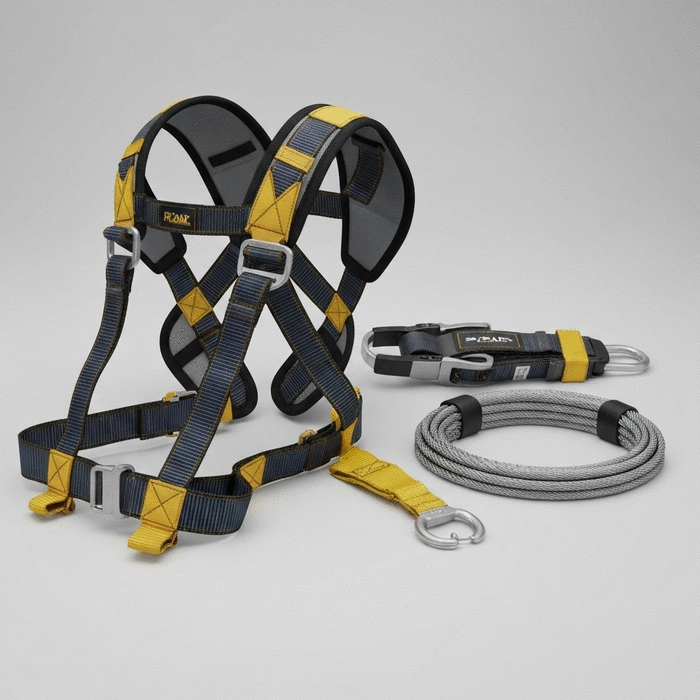
Understanding the various types of fall protection equipment is crucial in selecting the best fit for your workplace needs. The main components include full-body harnesses, lanyards, and safety lines. Each plays a specific role in ensuring safety when working at heights.
A full-body harness is essential for any fall arrest system. It’s designed to distribute the forces of a fall across the body, minimizing the risk of injury. With features like adjustable straps and D-rings for secure attachment, these harnesses provide both safety and comfort for workers.
Choosing the right harness not only complies with safety regulations but also promotes a proactive approach to worker safety. I always recommend testing various harnesses to find the best fit for your team.
Lanyards are another critical element in a fall protection system. They connect a harness to an anchor point and come in various types, including shock-absorbing and positioning lanyards. Shock-absorbing lanyards are designed to reduce the impact forces during a fall, while positioning lanyards allow workers to maintain their position without the risk of falling.
Investing in the right lanyards ensures your workers are protected while providing flexibility in their tasks. Having the right equipment can significantly improve work efficiency and safety. For more information on critical safety measures, check out our guide on safety tips for elevated workspaces.
Safety lines and anchorage points are the backbone of any fall protection system. Safety lines serve as the connection between the lanyard and the anchor point, while anchorage points are critical for securing the system. Properly installed anchorage points must withstand the forces of a fall.
At OHS Hub South Africa, we emphasize the importance of having secure anchorage systems that can handle various load requirements. This is essential for creating a reliable safety network for your workforce.
A Personal Fall Arrest System (PFAS) integrates several components, including full-body harnesses, lanyards, and anchor points. Understanding how these components work together is key to developing a comprehensive fall protection strategy.
Establishing a PFAS ensures that all aspects of fall protection are covered, ultimately leading to a safer work environment. As we advance in safety practices, it’s crucial to stay informed about the latest developments in fall protection equipment.
Did you know? Regularly inspecting your fall protection equipment is crucial to maintaining safety standards. Schedule monthly checks to ensure that harnesses, lanyards, and safety lines are free of wear and damage. This proactive approach not only complies with regulations but also significantly reduces the risk of accidents on the job site.
The essential components include full-body harnesses, lanyards (shock-absorbing, positioning, and retractable), and safety lines connected to secure anchorage points. These elements work together to form a comprehensive Personal Fall Arrest System (PFAS).
Full-body harnesses are designed to distribute the forces of a fall across the worker's body, reducing the impact on any single area and minimizing the risk of severe injury. They feature adjustable straps and D-rings for secure attachment to lanyards.
Shock-absorbing lanyards are used in fall arrest systems to reduce the force exerted on a worker during a fall. Positioning lanyards, on the other hand, are designed to allow workers to maintain a stable position at height, freeing their hands for work, but they are not typically used for fall arrest.
Anchorage points are crucial because they provide the secure attachment for fall protection equipment like lanyards and safety lines. They must be capable of withstanding significant forces to reliably prevent a fall or arrest a worker safely. Regular inspection and adherence to safety standards for anchorage points are vital.
A PFAS is an integrated system comprising a full-body harness, a lanyard, and an anchorage point. It is designed to safely stop a worker from falling, preventing them from hitting a lower level. Understanding how these components interact is key to a comprehensive safety strategy.
As we wrap up our discussion on fall protection equipment, it’s crucial to highlight the key aspects that ensure safety and compliance in the workplace. Understanding the essential components such as full-body harnesses, lanyards, and safety lines can significantly reduce the risk of fall-related injuries. By utilizing the right equipment effectively, you’re not just meeting legal requirements; you’re actively creating a safer working environment for your team!
Let’s summarize the features and benefits of the crucial fall protection equipment:
By focusing on these features, you ensure that your fall protection equipment not only complies with safety regulations but also effectively protects your workforce!
Fostering a culture of safety is paramount! Regular training and compliance checks can help reduce fall-related incidents significantly. I encourage you to actively engage with your team about the importance of safety standards. Remember, it’s not just about compliance; it’s about creating a safe workplace where everyone feels secure and valued. For further guidance on maintaining a safe environment, explore our resources on working at heights certification.
Let’s make safety a priority together! Continuous education and adherence to regulations are key to protecting your workers and fostering a productive work environment.
Are you ready to implement effective fall protection strategies in your workplace? I invite you to download our Fall Protection Planning Checklist! This practical tool will help you assess your needs and ensure you have the right equipment in place for optimal safety.
Let’s stay connected! Join the OHS Hub South Africa community to receive ongoing insights into safety practices and equipment innovations. Sign up for our newsletter or follow us on social media to keep up with the latest in occupational health and safety. Together, we can continue to enhance workplace safety and compliance across South Africa!
Here is a quick recap of the important points discussed in the article: