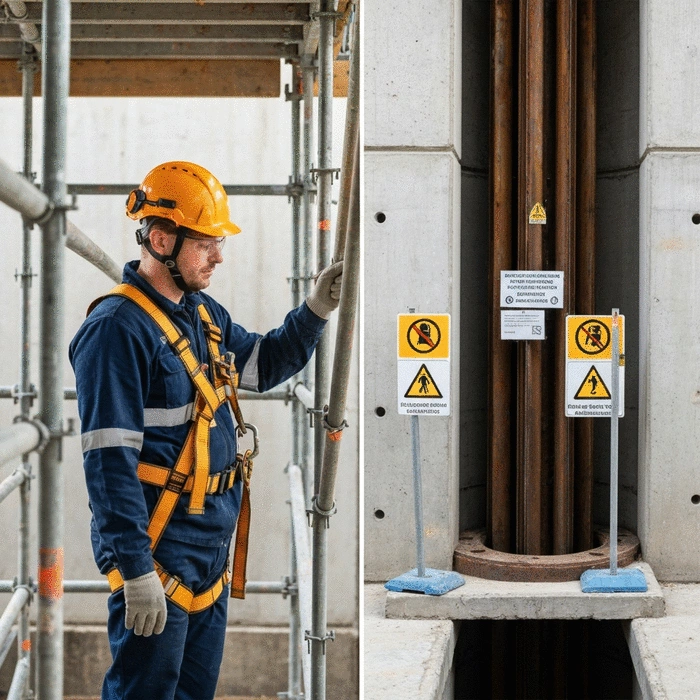
Common Hazards Identified
- • Falls (leading cause of injuries)
- • Toxic gases (e.g., CO, H2S)
- • Engulfment (liquids/grains)
- • Limited mobility in emergencies
Join the OHS Hub South Africa community for essential safety insights, compliance tips, and product updates.
Posted on: 2026-01-29
By: Thandiwe Mokoena
Have you ever considered the complexities and dangers that arise when workers operate at heights or in confined spaces? Understanding these unique challenges is not just a safety requirement; it’s essential for fostering a culture of safety within any organization.
Ensuring worker safety in high-risk environments involves understanding common hazards and implementing robust measures. Below are key areas and their associated safety protocols. For more in-depth knowledge on specific training requirements, consider exploring confined space training and compliance offered by OHS Hub South Africa.
Working at heights and in confined spaces presents unique challenges that can compromise the safety of employees. As someone who has spent over a decade in the field of occupational health and safety, I can attest that understanding these risks is essential for any business aiming to foster a culture of safety. Here at OHS Hub South Africa, we've seen firsthand how a proactive approach to identifying hazards can prevent accidents and save lives.
In these environments, common hazards include physical dangers such as falls, as well as atmospheric hazards like toxic gases. There are also thermal hazards to consider, especially in confined spaces where temperatures can fluctuate significantly. Recognizing these risks is the first step in creating effective safety protocols.
When assessing risks, it’s vital to consider the diverse hazards workers face. Below are some common hazards found in high and confined work environments:
Addressing these hazards is crucial for any organization that prioritizes employee safety. Implementing robust training and safety measures can significantly mitigate these risks, creating a safer and more productive work environment.
Conducting thorough risk assessments is a fundamental aspect of workplace safety. Utilizing tools like Job Safety Analysis (JSA) allows businesses to pinpoint specific hazards associated with tasks performed at heights or in confined spaces. This analysis is not just a formality; it’s a crucial step in selecting appropriate safety measures. To ensure your team is well-prepared for any situation, consider comprehensive first aid courses, which are invaluable for all workplaces.
Here are a few steps to consider when performing a risk assessment:
By integrating these steps into your safety protocols, your organization can significantly enhance its approach to hazard management. Remember, a well-informed workforce is key to maintaining a safe work environment!
Implementing safety measures and utilizing the right equipment are critical components in ensuring worker safety at heights and in confined spaces. As a dedicated professional in occupational health and safety, I can’t stress enough how essential it is to equip your team with the necessary tools and knowledge.
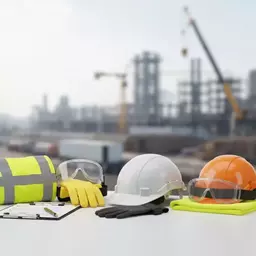
Understanding the role of Personal Protective Equipment (PPE) is vital. Selecting the appropriate gear not only complies with regulations but also significantly reduces the risk of injuries.
When it comes to PPE, here are some essential items that should be part of your safety protocol:
Ensuring that all employees are trained in the proper use of PPE can greatly enhance safety compliance. Remember, the right equipment is only effective if used correctly!
Ventilation is another critical aspect of safety in confined spaces. Proper airflow can mitigate many atmospheric hazards. Here are some guidelines for ensuring adequate ventilation:
By prioritizing ventilation, you can effectively reduce the risk of toxic exposures and create a safer work environment. Trust me, it makes a world of difference!
Lastly, specialized fall protection techniques are vital for workers in confined spaces. Here are some strategies to consider:
Implementing these fall protection strategies can significantly reduce the risk of accidents and injuries. At OHS Hub South Africa, we believe that proactive measures lead to safer workplaces for everyone! For comprehensive training on working at heights, including certification, visit our guide on working at heights certification.
The leading cause of serious injuries and fatalities among workers at heights is falls. Other hazards include falling objects.
Confined spaces pose risks such as toxic gases (e.g., carbon monoxide, hydrogen sulfide), engulfment by liquids or grains, and limited mobility in emergencies, leading to potential suffocation or entrapment.
Personal Protective Equipment (PPE) is crucial for worker safety. Essential items include harnesses for fall protection, helmets to guard against falling objects, and respirators for areas with poor air quality. Proper use of PPE significantly reduces injury risks and ensures compliance with regulations.
Risk assessments should be conducted regularly and updated as necessary. This ensures that safety measures remain effective and adapt to any changes in the work environment or tasks performed.
Ventilation is critical in confined spaces to mitigate atmospheric hazards. It ensures proper airflow, reducing the risk of toxic gas accumulation and maintaining adequate oxygen levels for workers.
What strategies have you implemented to enhance safety in confined spaces or while working at heights? Share your experiences and insights below!
When it comes to working at heights and in confined spaces, understanding the hazards and implementing effective safety measures is essential. Remember that risks such as falls, toxic gases, and engulfment can lead to serious injuries or fatalities. By prioritizing safety through comprehensive protocols, we can protect our workforce and ensure compliance with regulations.
Here are some key points to keep in mind:
As the founder of OHS Hub South Africa, I can attest that fostering a culture of safety is crucial for any organization. By adhering to these key takeaways, we can enhance safety practices and create a safer work environment for everyone involved.
Now that we've discussed the hazards and essential safety measures, it's time to take action! I encourage you to assess your current safety protocols. Ask yourself: Are your policies up to date? Are your employees adequately trained for high-risk environments?
Here are some next steps to consider:
Taking these steps not only complies with regulatory standards but also demonstrates a commitment to the well-being of your employees. At OHS Hub South Africa, we are here to support you in fostering a culture of safety and compliance. Let’s work together to ensure a safer workspace for everyone!
Here is a quick recap of the important points discussed in the article: