Fire Safety
Fire Safety Equipment
- ✓ Fire extinguishers
- ✓ Fire alarms
- ✓ Smoke detectors
- ✓ Fire blankets
Critical for preventing and combating fires effectively, tailored to workplace hazards.
Join the OHS Hub South Africa community for essential safety insights, compliance tips, and product updates.
Posted on: 2026-01-26
By: Thandiwe Mokoena
When it comes to workplace safety, nearly 4,000 injuries occur daily in South Africa. This alarming statistic highlights the urgent need for businesses to prioritize emergency response equipment. Investing in the right tools not only complies with regulations but also fosters a culture of safety that can save lives.
Understanding the core categories of emergency response equipment is crucial for workplace safety and compliance. Below is a breakdown of the critical areas every South African workplace needs to consider. For more detailed insights into specific training, consider first aid courses levels explained.
Critical for preventing and combating fires effectively, tailored to workplace hazards.
Essential for managing workplace injuries and immediate medical needs.
Prepares employees to respond confidently during emergencies, minimizing chaos.
Personal protective equipment that mitigates risks associated with specific work environments.
Ensures all emergency equipment remains functional and reliable when needed.
Adhering to legal frameworks like the OHS Act and General Safety Regulations.
In South Africa, maintaining a safe workplace is not just a matter of compliance—it's a commitment to the well-being of all employees. Having adequate emergency response equipment is crucial in ensuring that your team is prepared for unforeseen circumstances. Investing in the right equipment can significantly reduce risks and improve the overall safety culture within an organization.
When we think about safety, it’s essential to remember that emergencies can happen at any time. Whether it’s a fire, medical emergency, or natural disaster, being equipped with the necessary tools and knowledge can save lives. At OHS Hub South Africa, we believe that knowledge and preparation are key to creating a secure working environment!
Having the right emergency response equipment is vital for any workplace. It not only protects employees but also ensures that the business adheres to regulations set by the Occupational Health and Safety (OHS) Act. As an occupational health and safety professional, I often see how preparedness can empower teams to respond confidently in emergencies. Businesses should also consider complying with South Africa's OHS Act to ensure comprehensive safety.
Remember, safety is not just a box to tick—it's an ongoing commitment. Regular training and equipment checks contribute to a proactive safety culture, enhancing the resilience of your organization.
The Occupational Health and Safety Act (OHS Act) and General Safety Regulations lay down the legal framework for workplace safety in South Africa. These regulations require businesses to provide a safe working environment for employees, which includes equipping the workplace with appropriate emergency response equipment. Failure to comply can lead to serious penalties!
According to the OHS Act, employers must ensure that the necessary emergency equipment is readily available and maintained. This includes not only physical equipment like fire extinguishers and first aid kits but also proper training on their use. Knowing the legal requirements can help you avoid costly fines and, more importantly, protect your workforce.
Now that we've established the importance of emergency response equipment, let's dive deeper into the essential items every workplace should consider.
Fire safety is a top priority in any working environment. It's vital to have the necessary fire safety equipment in place to prevent and combat fires effectively. This includes:
Utilizing the right fire safety equipment not only helps in compliance but also enhances the safety of your employees. As I often remind clients at OHS Hub South Africa, preparation is key! Regular drills and checks can make all the difference during an emergency.
When selecting fire extinguishers, it's essential to consider the specific hazards present in your workplace. There are various types of fire extinguishers, each suitable for different fire classes:
Choosing the right extinguisher can be a lifesaver during a fire outbreak. Always consult with a safety professional to ensure you have the appropriate equipment for your specific needs. For more specific guidance, explore our guide on workplace fire extinguishers explained.
Fire alarms and smoke detectors are crucial in detecting fires early and alerting occupants. A well-designed fire alarm system can save lives and minimize property damage. Make sure your workplace is equipped with:
Investing in these systems not only meets legal requirements but also conveys a strong message about your commitment to workplace safety.
Regularly conducting safety audits can significantly enhance your emergency preparedness. Schedule quarterly reviews of your emergency response equipment and training programs to ensure compliance with the OHS Act. This proactive approach not only keeps your workplace safe but also instills confidence among employees, showing them that their safety is a top priority.
With nearly 4,000 workplace injuries daily in South Africa, investing in emergency response equipment is vital for compliance with regulations, fostering a culture of safety, reducing risks, and ultimately saving lives.
Key categories include fire safety equipment (extinguishers, alarms, smoke detectors, blankets), first aid and trained personnel, evacuation plans and drills, appropriate Personal Protective Equipment (PPE), and robust maintenance protocols for all equipment.
The Occupational Health and Safety (OHS) Act and General Safety Regulations require employers to provide a safe working environment, including readily available and maintained emergency equipment, and proper training on its use. Non-compliance can result in severe penalties.
The choice of fire extinguisher depends on the specific hazards present in the workplace. Different classes of extinguishers (water, foam, dry powder, CO2) are suitable for different types of fires. Consulting a safety professional is recommended to ensure appropriate selection.
Beyond equipment, a proactive safety culture involves regular training, ongoing equipment checks, clear evacuation plans, visible signage, regular drills, and adherence to maintenance protocols. These measures empower employees and enhance organizational resilience.
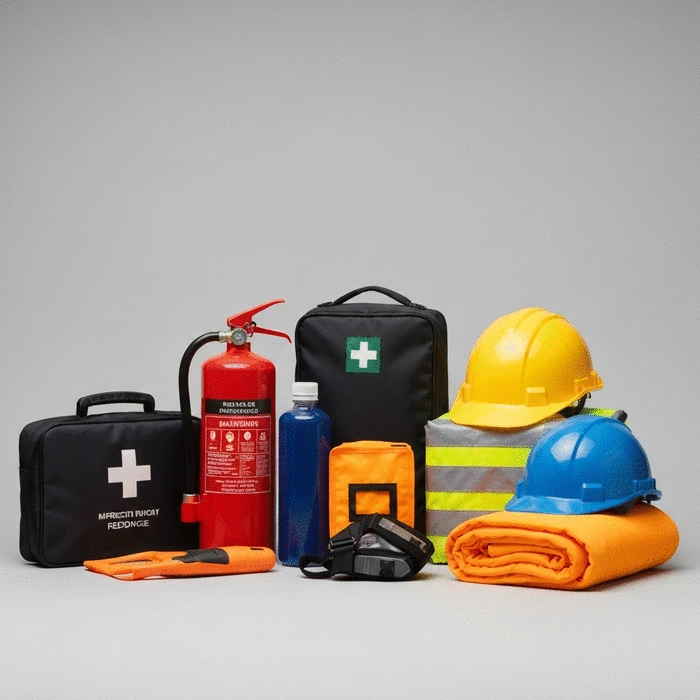
As we wrap up our discussion on emergency response equipment, it's clear that prioritizing safety in the workplace is not just a legal requirement but a moral obligation. Every business, regardless of size or industry, should be equipped with essential emergency response tools to protect employees and comply with regulations. Here’s a quick recap of the critical equipment and systems every South African workplace should consider:
At OHS Hub South Africa, I emphasize the importance of a proactive approach to workplace safety. Implementing these measures not only enhances safety but also builds a culture of accountability and preparedness among employees.
Now that you have a clearer picture of what emergency response equipment your workplace needs, it’s time to take action! I encourage you to assess your current emergency response measures critically. Are you confident in your fire safety equipment? Do you have adequate first aid provisions in place? Making improvements can lead to a safer work environment and ensure compliance with South African regulations.
Don't wait for an incident to happen! Start your journey towards enhanced workplace safety today. Whether you need to upgrade your equipment, implement new training programs, or simply review your evacuation plans, every step counts. Let’s work together to create safe spaces where employees can thrive!
Here is a quick recap of the important points discussed in the article: