Unlock Safer Workplaces!

Join the OHS Hub South Africa community for essential safety insights, compliance tips, and product updates.

Workplace Fire Extinguishers Explained


Fire Extinguishers for Workplace Compliance: Types & Regulations

Posted on: 2025-12-07
By: Thandiwe Mokoena


Every workplace should prioritize fire safety; after all, it can mean the difference between life and loss. With reports indicating a rise in workplace fire incidents, understanding fire extinguishers and their roles in compliance is crucial. Let’s explore the vital lessons you’ll take away from this article!

What You Will Learn

  • Fire extinguishers are essential for protecting lives and minimizing property damage in emergencies.
  • Familiarity with OSHA and NFPA regulations ensures compliance and enhances workplace safety.
  • Different classes of fire extinguishers serve specific types of fires, making proper selection vital.
  • Regular training and maintenance of fire extinguishers are critical for effective emergency response.
  • Strategic placement and clear signage of fire extinguishers facilitate quick access during emergencies.
  • Integrating fire safety protocols into emergency action plans improves overall preparedness.

Understanding Fire Safety Compliance: A Visual Guide

Key regulations, extinguisher types, and best practices for workplace fire safety.

Regulation: OSHA Fire Extinguisher Regulations

  • Accessible Installation
  • Regular Inspections
  • Annual Maintenance Checks

Guideline: NFPA 10 Standards

  • Specific Extinguisher Types
  • Placement: 3.5-5ft Height
  • Regular Maintenance Checks

Types: Class A, B, C, D, K Extinguishers

Each class targets specific fire types (e.g., A for combustibles, K for kitchen oils).Selecting the right type is crucial for effective response and compliance.

Placement: Best Practices

  • Within 75ft Travel Distance
  • Top of Extinguisher < 5ft from Ground
  • Clear Signage & Unobstructed Paths

Action: Training & Maintenance

  • Hands-On Employee Training
  • Monthly & Annual Inspections
  • Documentation of Records

Strategy: Emergency Action Plans

  • Emergency Contacts & Evacuation Routes
  • Assigned Roles & Responsibilities
  • Integration of Fire Safety Protocols

Understanding Fire Extinguishers: Essential for Workplace Compliance

Understanding fire extinguishers is not just about having the right equipment; it's about ensuring a safe work environment for everyone. With the rise in workplace incidents related to fire hazards, the significance of fire safety cannot be overstated. Fire extinguishers play a vital role in compliance with safety regulations, providing a first line of defense in case of a fire emergency. At OHS Hub South Africa, we believe that every workplace should be equipped with the right tools and knowledge to respond effectively to fire threats, making safety a priority.

Did you know that having properly maintained fire extinguishers can significantly lower the risk of fire damage and ensure compliance with local regulations? This is why understanding their importance is essential for all businesses. If you're unsure about your fire safety measures, let’s dive deeper into what you need to know!

The Importance of Fire Safety in the Workplace

Fire safety in the workplace is crucial for protecting employees and assets alike. A well-equipped workplace promotes a culture of safety and compliance, which is essential for any business aiming to thrive. Here are a few key points on why fire safety matters:

  • Protects Lives: Ensuring your team knows how to use fire extinguishers can save lives in emergencies.
  • Minimizes Damage: Quick response to fires can prevent extensive damage to property.
  • Compliance with Regulations: Meeting fire safety standards is not just a legal necessity; it's a moral obligation.

At OHS Hub South Africa, we emphasize the importance of integrating fire safety into your overall workplace safety strategy. This not only helps in compliance but also fosters an atmosphere of responsibility among employees. For further details on essential safety training, explore our firefighting training basics in South Africa.

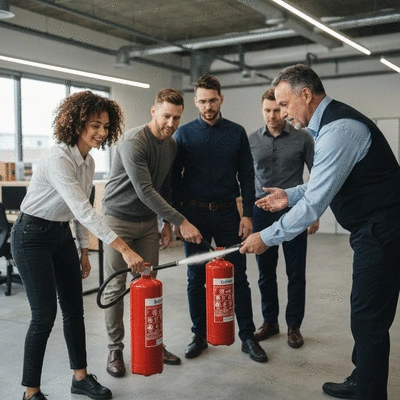
Diverse group of employees participating in hands-on fire safety training with a fire extinguisher, supervised by an instructor, in a modern workplace setting, no text, no words, no typography, 8K, natural lighting

Navigating Regulatory Requirements: OSHA and NFPA Standards

Overview of OSHA Fire Extinguisher Regulations

The Occupational Safety and Health Administration (OSHA) has established regulations that directly impact how fire extinguishers should be maintained and utilized in workplaces. Familiarizing yourself with these regulations is essential for compliance. Key aspects include:

  • Installation Requirements: Fire extinguishers must be installed in easily accessible locations.
  • Inspection Protocols: Regular inspections should be conducted to ensure extinguishers are functioning properly.
  • Maintenance Guidelines: Fire extinguishers should have maintenance checks at least once a year.

By adhering to these regulations, you can safeguard your business against potential hazards while ensuring a compliant workplace. Remember, compliance is not just about following the law; it's about protecting your team!

Insights into NFPA 10 Guidelines

The National Fire Protection Association (NFPA) 10 provides comprehensive guidelines that cover the types, placement, and maintenance of fire extinguishers. Understanding these guidelines is crucial for effective fire safety management. Here’s what you should know:

  • Types of Extinguishers: Different classes of fire extinguishers are designed for specific types of fires.
  • Placement Requirements: Extinguishers should be installed at a height that is easily accessible, typically 3.5 to 5 feet above the ground.
  • Maintenance Recommendations: NFPA 10 suggests regular maintenance checks to ensure extinguishers are in good working order.

Following NFPA 10 guidelines ensures that your workplace is not only compliant but also prepared in the event of a fire. Here at OHS Hub South Africa, we can assist you in ensuring that your fire safety measures meet these essential standards! Another vital aspect of workplace safety is understanding COSHH training for South African workers, which complements fire safety by addressing hazardous substances.

Types of Fire Extinguishers: What You Need to Know

Class A, B, C, D, and K Extinguishers: Uses and Applications

Fire extinguishers come in various classes, each designed for specific types of fires. Understanding the difference can be a game-changer in emergency situations. Here’s a quick breakdown:

  • Class A: Used for ordinary combustibles like paper, wood, and cloth.
  • Class B: Effective against flammable liquids such as gasoline and oil.
  • Class C: Designed for electrical fires.
  • Class D: Ideal for flammable metals.
  • Class K: Specifically for kitchen fires involving cooking oils and fats.

By selecting the right type of extinguisher for your workplace hazards, you enhance your fire response capability and ensure compliance with safety standards. It's all about being prepared!

Understanding Fire Extinguisher Types and Their Specific Functions

Every class of fire extinguisher has specific functionalities that cater to its designated fire type. Understanding these functions can help you choose the right extinguishers for your workplace:

  • Class A: Water or foam extinguishers; cools and extinguishes fires by removing heat.
  • Class B: CO2 or foam extinguishers; smother the flames and cut off the oxygen supply.
  • Class C: CO2 or dry chemical extinguishers; safe for electrical fires and do not conduct electricity.
  • Class D: Dry powder extinguishers; smother fires in metal substances.
  • Class K: Wet chemical extinguishers; saponification process to extinguish kitchen fires.

Understanding these functionalities helps ensure that you're equipped with the right tools for the job, enhancing workplace safety.

Innovative Fire Extinguisher Technologies

Fire safety technology has advanced significantly in recent years. Innovative fire extinguisher technologies, such as smart extinguishers, are making waves in workplace safety. These devices feature:

  • Monitoring Systems: Automatically check pressure levels and operational status.
  • Connectivity: Integration with emergency response systems for quick alerts.
  • Real-Time Updates: Notifications for maintenance schedules directly to your device.

By adopting these advanced technologies, businesses can enhance their fire safety measures and ensure compliance more efficiently. Let's embrace innovation for a safer workplace!

Fire Extinguisher Placement: Best Practices and Regulations

Compliance with Placement and Mounting Height Regulations

The proper placement of fire extinguishers is crucial for ensuring they are easily accessible during emergencies. Compliance with placement and mounting height regulations helps maintain safety standards. Key points include:

  • Accessible Locations: Extinguishers should be located within a 75-foot travel distance from any workplace area.
  • Mounting Heights: Ensure that the top of the extinguisher is no more than 5 feet above the ground.
  • Clear Signage: Proper signage should be placed to guide employees to the extinguisher’s location.

As a safety professional, I cannot stress enough the importance of following these guidelines to maximize safety and ensure compliance at your workplace!

Fire Extinguisher Locations and Signage: Ensuring Easy Access

Visibility is key when it comes to fire extinguishers. Proper signage and strategic placement ensure that employees can quickly locate extinguishers in case of a fire. Important aspects to consider include:

  • Clear Paths: Ensure that fire extinguishers are not obstructed by furniture or equipment.
  • Signage: Use clear, reflective signs that indicate the location of extinguishers.
  • Training: Regularly train employees on the location and use of extinguishers.

Creating an environment where fire safety is prioritized can greatly reduce risks. Let's work together to make your workplace as safe as possible!

Training and Maintenance: Key Components of Compliance

The Necessity of Fire Safety Training for Employees

Training employees on the proper use of fire extinguishers is essential for workplace safety. It empowers them to act decisively during emergencies, potentially saving lives. Here are some critical points about fire safety training:

  • Hands-On Training: Provide practical training sessions where employees can practice using extinguishers.
  • Emergency Procedures: Educate staff on the evacuation process and emergency contacts.
  • Regular Refreshers: Conduct periodic training sessions to keep knowledge fresh.

At OHS Hub South Africa, we offer training programs that focus on equipping your team with the knowledge they need to stay safe.

Regular Inspection and Maintenance Guidelines for Fire Safety Equipment

Regular inspection and maintenance of fire extinguishers are vital for compliance and safety. Here is a checklist to help you stay on top of your inspection routine:

  • Monthly Checks: Inspect extinguishers for obvious signs of damage or misuse.
  • Annual Maintenance: Schedule annual professional maintenance according to regulations.
  • Documentation: Keep records of inspections and maintenance for compliance purposes.

Implementing a routine inspection schedule not only ensures compliance but also enhances workplace safety!

Creating a Fire Safety Checklist for Your Workplace

Having a fire safety checklist can help you manage fire safety responsibilities effectively. Here are essential components to include:

  • Fire Equipment Inventory: List all fire extinguishers, their types, and locations.
  • Training Records: Keep track of employee training sessions and participation.
  • Inspection Schedule: Outline your inspection and maintenance routine.

Creating and maintaining a fire safety checklist is a proactive step towards ensuring the safety of your workplace. Let's make safety a shared responsibility!

Integrating Fire Safety into Emergency Action Plans

Creating Comprehensive Emergency Action Plans

Fire extinguishers are a crucial component of any emergency action plan. A comprehensive plan not only includes fire safety measures but also outlines procedures for various emergencies. Key components include:

  • Emergency Contacts: List contacts for emergency services and designated personnel.
  • Evacuation Routes: Clearly mark evacuation routes that lead to safe areas.
  • Roles and Responsibilities: Assign specific roles to employees during emergencies.

Integrating fire safety into your emergency action plan can streamline your response and ensure everyone knows their role during a crisis.

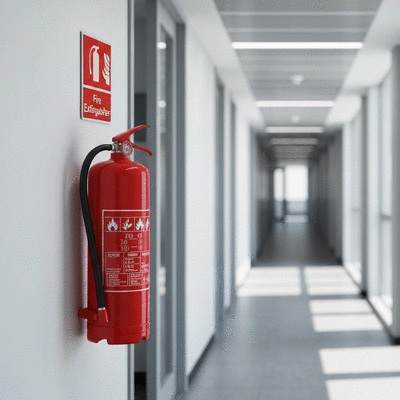
Modern red fire extinguisher clearly visible in a workplace hallway, mounted on a wall with proper signage, clean and functional, no text, no words, no typography, 8K, natural lighting

Case Studies: Successful Implementation of Fire Safety Protocols in Various Industries

Real-life examples of effective fire safety protocols can provide valuable insights. Here are a few case studies that illustrate successful fire safety implementations:

  • Manufacturing Sector: A company reduced fire incidents by 50% by implementing regular training and inspections.
  • Hospitality Industry: Hotels that conducted fire drills reported quicker evacuation times and improved staff confidence.
  • Construction Sites: Regular fire safety audits led to a significant reduction in fire hazards on-site.

These case studies demonstrate that proactive fire safety measures lead to enhanced safety outcomes. Let's take inspiration from these successes to improve our practices!

Did You Know?

According to the National Fire Protection Association (NFPA), having proper fire extinguishers on-site and ensuring they are regularly maintained can reduce the risk of fire damage by up to 50%. This not only saves lives but also protects your business from costly damages. Are you compliant with your fire safety regulations?

Frequently Asked Questions About Fire Extinguisher Compliance

What are the primary regulations governing fire extinguishers in the workplace?

The primary regulations are set by OSHA (Occupational Safety and Health Administration) and NFPA (National Fire Protection Association) 10. These cover installation, inspection, maintenance, and training requirements for fire extinguishers.

Why is it important to have different classes of fire extinguishers?

Different classes of fire extinguishers (A, B, C, D, K) are designed to combat specific types of fires (e.g., ordinary combustibles, flammable liquids, electrical, flammable metals, kitchen oils). Using the correct type is crucial for effective fire suppression and safety.

How often should fire extinguishers be inspected and maintained?

Fire extinguishers should undergo monthly visual inspections by employees and an annual professional maintenance check. Documentation of these checks is essential for compliance.

What are the best practices for placing fire extinguishers in the workplace?

Extinguishers should be easily accessible, located within a 75-foot travel distance from any area, mounted so the top is no more than 5 feet above the ground, and have clear signage to indicate their location. Paths to them should be unobstructed.

Is fire safety training mandatory for employees?

Yes, OSHA and NFPA guidelines emphasize the necessity of fire safety training for employees. This includes hands-on training, education on emergency procedures, and regular refreshers to ensure they know how to use extinguishers and respond during emergencies.

Summarizing Key Takeaways on Fire Extinguisher Compliance

Understanding fire extinguishers is crucial for workplace safety and compliance. In South Africa, adhering to fire safety regulations not only protects your employees but also safeguards your business from potential liabilities. It’s important to recognize that fire extinguishers are not just a legal requirement; they are an essential part of a comprehensive safety strategy that can save lives in emergencies.

As we’ve discussed, awareness of the various types of extinguishers, their appropriate use, and compliance with regulations like OSHA and NFPA standards is vital. Regular training and maintenance ensure that your safety equipment is always ready for action.

  • Fire extinguishers must be accessible and properly maintained.
  • All employees should receive fire safety training.
  • Regular inspections of fire extinguishers are a must.
  • Integrating safety protocols into emergency plans enhances preparedness.

By focusing on these key areas, you can foster a culture of safety in your workplace. Remember, the goal is to create an environment where everyone feels secure and informed about fire safety practices.

Next Steps for Ensuring Workplace Safety and Compliance

Now that you understand the importance of fire extinguishers, it’s time to take actionable steps towards enhancing your workplace safety. Here are some practical steps you can implement:

  • Conduct a compliance audit to assess your current fire safety measures.
  • Review and update your fire safety training programs.
  • Ensure that fire extinguishers are appropriately placed and maintained.
  • Develop a fire safety checklist tailored to your business’s specific needs.

At OHS Hub South Africa, we are dedicated to helping businesses like yours navigate compliance challenges and improve workplace safety. Let us support you in establishing effective training initiatives and resources tailored for your team. It’s not just about meeting regulations; it’s about building a safer future for everyone involved! For a broader understanding of workplace safety compliance, consider reviewing our site manager's guide to compliance.

Recap of Key Points

Here is a quick recap of the important points discussed in the article:
  • Fire safety is crucial for protecting lives and minimizing damage to property.
  • Familiarize yourself with OSHA and NFPA regulations for fire extinguisher maintenance and placement.
  • Understand the different classes of fire extinguishers and their specific applications.
  • Ensure fire extinguishers are easily accessible and properly maintained.
  • Conduct regular fire safety training and inspections to keep employees informed and prepared.
  • Integrate fire safety protocols into your emergency action plans for better preparedness.

Subscribe & Share
Scaffold Training Certification Pathways Explained Scaffold Erector, Inspector, and Supervisor Training: Certification Pathways Explained The journey to scaffold safety begins with understanding the roles that protect workers' lives. With
Root Cause Analysis for Supervisors Incident and Accident Investigation Training: Root Cause Analysis Methods for Supervisors Effective incident and accident investigation training is crucial for cultivating a safer workplace.
Complying with South Africa’s OHS Act How to Comply with South Africa’s Occupational Health and Safety Act 85 of 1993 in Your Industry What if the safety of your workplace could significantly impact not just compliance, but also morale
Banner
OHS Hub South Africa

Your go-to resource for ensuring workplace safety and compliance. We help South African businesses with essential services, accredited training, and quality safety products and practical guidance.

Trusted by businesses across various industries, our mission is to provide reliable, easy-to-follow insights backed by extensive knowledge of South African regulations and best practices.

Learn More
Recent Posts
Scaffold Erector, Inspector, and Supervisor Training: Certification Pathways Explained Scaffold Training Certification Pathways Explained

The journey to scaffold safety begins with underst

Incident and Accident Investigation Training: Root Cause Analysis Methods for Supervisors Root Cause Analysis for Supervisors

Effective incident and accident investigation trai

How to Comply with South Africa’s Occupational Health and Safety Act 85 of 1993 in Your Industry Complying with South Africa’s OHS Act

What if the safety of your workplace could signifi

OHS Hub South Africa: Safety Tips & Insights