Essential Guide to Spill Kits

Posted on: 2025-12-20
By: Thandiwe Mokoena
What if you could significantly reduce workplace accidents while ensuring compliance with health and safety regulations? Understanding the role of spill kits and chemical containment can make a world of difference in your operations. Here’s a roadmap to enhance your spill management strategy!
What You Will Learn
- Spill kits are essential for immediate response, enabling quick containment of hazardous spills and reducing risks of escalation.
- Understanding key regulatory standards, like the Occupational Health and Safety Act, is vital for ensuring compliance and avoiding penalties.
- Regular inspections and maintenance of spill kits are crucial for effective spill response and fostering a culture of safety in the workplace.
- Integrating technology, such as spill detection sensors and mobile apps, can significantly enhance spill preparedness and response efficiency.
- Promoting open discussions about safety practices among team members helps build a collective responsibility towards workplace safety.
- Implementing pollution prevention measures demonstrates commitment to environmental responsibility and enhances public image.
Key Aspects of Spill Kit Compliance & Enhancement
This visual summarizes the essential components of spill kit compliance and strategies for enhancing spill response, highlighting inspections, technology, and prevention.
Compliance & Inspections
- ✓ Regular Checks for Stock & Functionality
- ✓ Immediate Replacement of Used/Expired Items
- ✓ Document Inspections for Records
Enhancing Response Strategy
- ⚡ Leverage Technology (Sensors, Apps)
- ⚡ Build a Culture of Safety
- ⚡ Implement Pollution Prevention Measures
Regulatory Compliance Focus
- ✓ Occupational Health and Safety Act
- ✓ National Environmental Management Act
- ✓ Local Municipal Regulations
Environmental Protection Measures
- 🌍 Preventing Soil & Water Contamination
- 🌍 Community Responsibility & Stewardship
- 🌍 Enhancing Company Reputation
Understanding Spill Kits & Chemical Containment for OHS Compliance
When it comes to maintaining a safe workplace, understanding the essentials of spill kits and chemical containment is crucial. Many businesses overlook the significance of having a robust spill response plan in place, but it’s an integral part of Occupational Health and Safety (OHS) compliance. Accidents can happen, and being prepared can save both lives and the environment! So, let’s dive into why spill kits are essential for your operations.
What are Spill Kits and Why are They Essential?
Spill kits are specially designed tools that help you manage spills of hazardous materials effectively. They typically contain absorbent materials, personal protective equipment (PPE), and tools needed for cleanup. Having a spill kit on-site is not just a safety measure; it’s a legal requirement for many industries in South Africa. Not only does it make cleanup easier, but it also minimizes the risk of environmental contamination.
- Immediate Response: Enables quick action to contain spills before they escalate.
- Regulatory Compliance: Helps meet legal requirements set out by OHS regulations.
- Workplace Safety: Reduces the risk of injuries and accidents caused by spills.
At OHS Hub South Africa, we believe that being proactive about spill management is a key factor in cultivating a culture of safety. Investing in the right spill kits can be a game changer for your workplace! For more information on essential safety equipment, check out our guide on essential first aid kits for work.
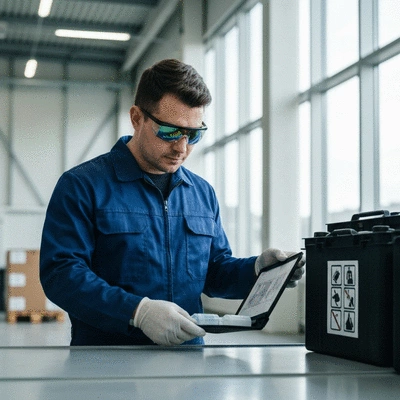
Key Regulatory Standards Impacting Spill Response
In South Africa, various regulations govern spill response and chemical containment. Understanding these standards is critical for your compliance efforts. The Occupational Health and Safety Act outlines the responsibilities of employers regarding workplace safety, including spill management. It’s essential to be familiar with these guidelines to avoid potential penalties.
- Occupational Health and Safety Act: Mandates safe practices to prevent workplace injuries.
- National Environmental Management Act: Focuses on environmental protection from hazardous spills.
- Local Municipal Regulations: Often include specific requirements for waste disposal and spill response.
Staying updated on these regulations not only ensures compliance but also promotes a safer working environment. At OHS Hub South Africa, we offer resources to help you navigate these important regulations effectively!
The Role of Environmental Protection in Spill Management
Environmental protection is a fundamental aspect of spill management. When a spill occurs, it can have devastating effects on the surrounding ecosystem, including soil and water contamination. Therefore, implementing effective spill management strategies is not just a compliance issue; it’s a moral obligation to protect our planet.
- Preventing Contamination: Proper spill kits and containment strategies help prevent harmful substances from entering the environment.
- Community Responsibility: Businesses should strive to be good stewards of their local environment.
- Enhanced Reputation: Companies that actively protect the environment can improve their public image.
By prioritizing environmental protection in your spill management plan, you not only comply with regulations but also contribute to a healthier community and planet. Let’s work together to create safer, more sustainable workplaces! For more details on environmental health and safety, consider our guide on biological monitoring for employers.
Pro Tip
Did you know? Regularly conducting spill response drills can greatly enhance your team's readiness. Simulating spill scenarios not only helps familiarize your staff with the proper use of spill kits but also builds confidence in their ability to respond effectively during real incidents. Invest time in training your team, and you’ll cultivate a more resilient safety culture!
Frequently Asked Questions about Spill Kits and Chemical Containment
Q1: Why are spill kits essential for workplace safety?
A1: Spill kits are crucial for immediate response to hazardous spills, helping to contain them before they escalate. They ensure regulatory compliance, reduce the risk of injuries and accidents, and prevent environmental contamination.
Q2: What regulatory standards apply to spill response in South Africa?
A2: The primary regulations include the Occupational Health and Safety Act, which mandates safe practices, and the National Environmental Management Act, which focuses on environmental protection from hazardous spills. Local municipal regulations also often specify requirements for waste disposal and spill response.
Q3: How often should spill kits be inspected and maintained?
A3: Spill kits should be inspected regularly, ideally monthly, to ensure all items are present, operational, and not expired. Any used or expired materials should be replaced immediately, and inspections should be documented for compliance.
Q4: How can technology enhance spill preparedness?
A4: Technology can significantly improve spill preparedness through tools like spill detection sensors for quick leak identification, mobile apps for easy access to response plans, and online training modules for continuous learning. These tools streamline response processes and provide real-time updates.
Q5: What are pollution prevention measures in the context of spill management?
A5: Pollution prevention measures involve proactive steps to minimize spill risks and demonstrate environmental responsibility. This includes conducting regular assessments to identify potential spill sources, investing in secondary containment systems, and training employees on best practices for handling hazardous materials.
Summary of Key Takeaways for Spill Kit Compliance
Understanding spill kit compliance is crucial for any workplace handling hazardous materials. Regular inspections ensure that your spill kits are fully stocked and functioning, which is vital for an effective response. I’ve seen firsthand how being proactive in spill kit management can save time and resources when an incident occurs. It’s not just about having the right equipment; it’s about maintaining it!
- Conduct regular checks to confirm all items in your spill kit are present and operational.
- Replace any expired or used materials immediately to ensure readiness.
- Document inspections as part of your compliance efforts.
Remember, keeping your spill kits in top shape is not just a matter of compliance; it fosters a culture of safety within your organization. In the long run, preparedness can significantly reduce the potential risks associated with hazardous spills.
The Importance of Regular Inspections and Maintenance
Regular inspections and maintenance of your spill kits should be a non-negotiable part of your safety protocol. As an occupational health and safety professional, I cannot stress enough how essential it is to have a routine schedule for checking these kits. The goal is to ensure that every component is ready to be deployed at a moment's notice.
- Schedule monthly inspections to evaluate all kit contents.
- Incorporate findings from inspections into your ongoing safety training sessions.
- Ensure that your team knows how to replenish supplies effectively.
By integrating regular inspections into your safety culture, you’re not just meeting compliance standards; you’re investing in the safety and well-being of your team.

Enhancing Your Spill Response Strategy
Integrating Technology and Tools for Improved Spill Preparedness
In today’s digital age, leveraging technology can significantly enhance your spill response strategy. From advanced monitoring systems to spill response software, these tools can streamline your response process and provide real-time updates. At OHS Hub South Africa, we believe that being equipped with the latest technology is pivotal in maintaining a safe and compliant workplace.
- Consider implementing spill detection sensors to identify leaks quickly.
- Use mobile apps for easy access to your spill response plans.
- Incorporate online training modules for continuous learning.
Integrating these tools not only improves preparedness but also empowers your team to act swiftly during a spill incident. For those looking to further enhance their team's capabilities, consider specialized training such as COSHH training for South African workers.
Next Steps: Building a Culture of Safety in Your Workplace
Building a culture of safety goes beyond compliance; it’s about instilling practices that prioritize the well-being of everyone in the workplace. Start by encouraging open discussions about safety and spill response among your team members. Everyone should feel comfortable sharing ideas and concerns related to potential risks.
- Organize regular safety meetings to discuss spill prevention and response.
- Encourage employees to participate in safety training sessions actively.
- Recognize and reward safe practices and proactive behavior.
When everyone feels included in safety discussions, you create an environment where safety is everyone's responsibility.
Implementing Pollution Prevention Measures in Your Operations
To further enhance your spill response strategy, consider implementing pollution prevention measures. These strategies not only help minimize the risk of spills but also demonstrate your commitment to environmental responsibility. At OHS Hub South Africa, we are passionate about promoting practices that protect both our employees and our planet.
- Conduct regular assessments to identify potential spill sources.
- Invest in secondary containment systems where necessary.
- Train employees on best practices for handling hazardous materials.
By taking proactive steps to prevent spills, you not only comply with regulations but also contribute to a safer and more sustainable workplace. This approach aligns with broader safety objectives, much like the comprehensive guidance found in a site manager's guide to compliance.
Recap of Key Points
Here is a quick recap of the important points discussed in the article:
- Spill kits are essential for managing hazardous spills, ensuring immediate response and regulatory compliance.
- Understanding key regulatory standards like the Occupational Health and Safety Act is critical for compliance and safety.
- Regular inspections and maintenance of spill kits are vital to ensure readiness and foster a culture of safety.
- Integrating technology can enhance spill preparedness and streamline response processes.
- Building a culture of safety involves encouraging open discussions and recognizing safe practices among team members.
 As we approach 2025, many businesses in South Africa will face significant changes to workplace regu
 How prepared is your workplace for the upcoming changes in safety regulations? The 2025 OSHA updates
 In today's fast-paced work environment, the importance of effective training cannot be overstated. W