Essential First Aid Kits for Work
Posted on: 2025-12-13
By: Thandiwe Mokoena
What if your workplace could transform into a safer environment with just a few proactive measures? The importance of first aid kits extends beyond legal compliance; it is about fostering a culture of safety and preparedness. Let’s explore the essential steps to ensure your workplace is well-equipped for emergencies.
What You Will Learn
- First aid kits are mandatory in South African workplaces according to the OHS Act, promoting safety and compliance.
- Regular maintenance and stocking of first aid kits are crucial for effective emergency response.
- Customized first aid kits based on specific workplace hazards significantly improve safety measures.
- Ongoing training and awareness are essential to empower employees in first aid practices and emergency responses.
Key First Aid Kit Requirements and Best Practices
This visual summarizes the essential components, customization needs, and action steps for workplace first aid kits, emphasizing compliance and preparedness.
Mandatory First Aid Kit Items (OHS Act)
- ✓ Antiseptics & wound cleaners
- ✓ Adhesive bandages (various sizes)
- ✓ Disposable gloves (non-latex)
- ✓ CPR face shields/masks
Customization for Workplace Hazards
- ● Extra bandages & splints for hazardous sites
- ● Office kits: minor cuts & strains focus
- ● Specialized items (e.g., eye wash for chemicals)
- ● Trauma dressings, emergency blankets
Key Action Steps for Preparedness
- ✔ Create a comprehensive kit checklist
- ✔ Encourage continuous training & awareness
- ✔ Implement a medical emergency plan
- ✔ Regular drills & plan reviews
OHS Act Regulation 7: Employer Duties
- ‣ Evaluate workplace for kit quantity
- ‣ Maintain & regularly stock kits
- ‣ Appoint trained first aiders (1 per 50 employees)
- ‣ Foster a culture of safety & compliance
Understanding the Importance of First Aid Kits in South African Workplaces
Understanding the significance of first aid kits in our workplaces is crucial for ensuring safety and compliance in South Africa. As an occupational health and safety professional, I can tell you that having a well-stocked first aid kit isn't just a good practice—it's a legal requirement! According to the Occupational Health and Safety Act (OHS Act), employers must provide adequate first aid provisions to protect their employees. For more in-depth information about training, consider exploring our First Aid Courses Levels Explained article.
Compliance with the OHS Act is not merely about ticking boxes; it’s about fostering a culture of safety and preparedness. When businesses take these requirements seriously, they not only mitigate the risk of workplace injuries but also demonstrate a commitment to employee well-being.
Legal Obligations Under the OHS Act Regulation 7
Regulation 7 of the OHS Act outlines specific requirements regarding first aid provisions in workplaces. This regulation mandates that every employer must ensure a first aid kit is available in the workplace, tailored to the number of employees and the nature of the work. It serves as a crucial guideline to keep us compliant and protect our team members.
- Employers must evaluate the workplace to determine the number of first aid kits required.
- First aid kits must be maintained and stocked with necessary items regularly.
- Employers should appoint trained first aiders for every 50 employees.
These requirements not only safeguard employees but also enhance the overall safety culture within the organization. It's a proactive approach that benefits everyone involved!
Workplace Safety and Employee Well-Being
A well-stocked first aid kit is more than just a box of supplies—it's a lifeline in emergencies. Knowing that immediate aid is available boosts employee confidence and fosters a sense of security at work. Employees feel valued when their employers take their health seriously, which in turn enhances productivity and morale.
- Having first aid kits readily available can reduce the severity of injuries.
- Employees are more likely to report injuries if they know they can be treated swiftly.
- A committed approach to safety promotes a positive workplace culture.
In my experience with OHS Hub South Africa, companies that prioritize first aid provisions see a transformation in workplace dynamics—less fear, more collaboration, and a shared commitment to health and safety.
Emergency Preparedness in the Workplace
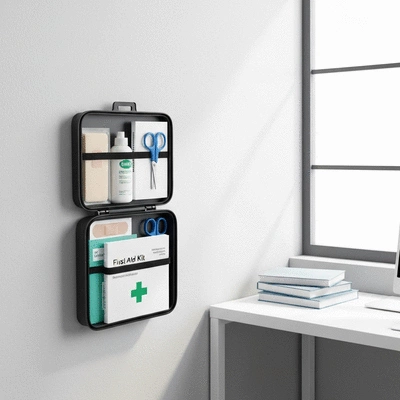
First aid kits play a critical role in emergency preparedness. Being prepared can mean the difference between a minor incident and a major crisis. When emergencies arise, having the right supplies at hand can significantly mitigate risks and enhance outcomes.
- First aid kits should include supplies for common injuries like cuts and burns.
- Regular drills should be conducted to familiarize employees with the location and use of the kits.
- Consider including items for specific workplace hazards, such as chemical spills or falls.
At OHS Hub South Africa, we emphasize the importance of being prepared. It’s about creating an environment where employees feel safe and supported, knowing they can respond effectively during emergencies.
Essential Components of a Workplace First Aid Kit
Now that we've established the importance of first aid kits, let’s dive into what should be included. A well-equipped first aid kit is essential for every workplace, and it should contain specific items to handle various situations effectively.
Mandatory Items as per OHS Act Annexure
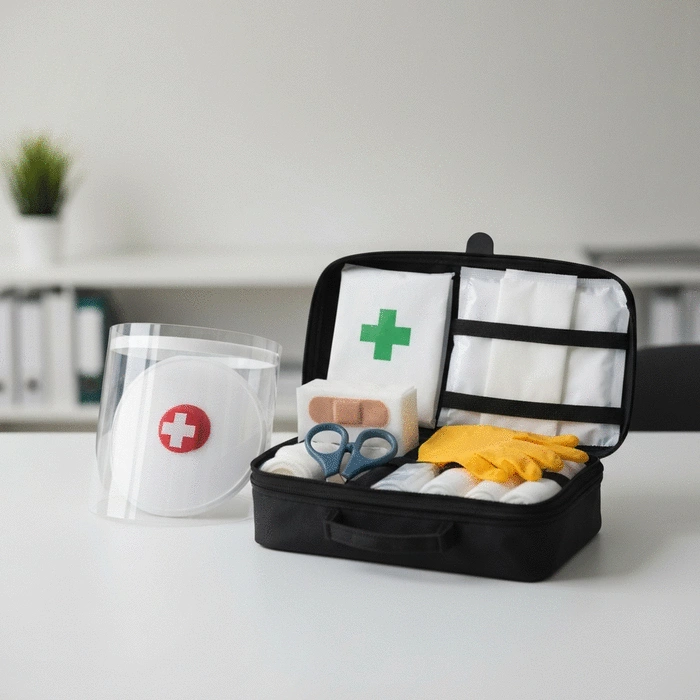
According to the OHS Act’s annexure, the following items are mandatory for any workplace first aid kit:
- Antiseptics and wound cleaners
- Adhesive bandages in various sizes
- Disposable gloves (preferably non-latex)
- CPR face shields or masks
These items are crucial for immediate response to typical injuries and help prevent infections. Regularly checking and replenishing these supplies is vital to ensure they're always ready for use! To ensure compliance with all safety regulations, employers should also be aware of the requirements for Workplace Medicals in South Africa, which complement first aid readiness.
Customizing Kits for Specific Workplace Hazards
Not every workplace is the same, and neither are their first aid needs! Tailoring first aid kits to your specific environment can dramatically improve safety. For example, construction sites might require more robust supplies compared to office environments.
- Include extra bandages and splints for hazardous environments.
- Office kits might focus on treating minor cuts and strains.
- Consider adding specialized items for unique risks, like eye wash for chemical handling.
Customizing your kits ensures that you're prepared for the unique challenges your team faces every day!
Including Trauma Care and Specialized Medical Supplies
In addition to general first aid supplies, it’s essential to include trauma care items and other specialized medical supplies based on your workplace risk assessments. This might include:
- Trauma dressings and large bandages
- Emergency blankets for shock cases
- Defibrillators for cardiac emergencies
By assessing your workplace risks, you can include the necessary items that could save lives during serious incidents. Remember, being prepared is key to managing emergencies effectively!
Pro Tip
Did you know? Regularly reviewing and updating your first aid kit can significantly enhance workplace safety. Consider scheduling quarterly audits to ensure all supplies are stocked, up-to-date, and tailored to your specific workplace hazards. This proactive approach not only complies with regulations but also fosters a culture of safety among employees.
Frequently Asked Questions About Workplace First Aid Kits
What are the legal requirements for first aid kits in South African workplaces?
According to the OHS Act Regulation 7, employers must provide adequate first aid provisions, including well-stocked first aid kits, tailored to the number of employees and the nature of the work. They must also appoint trained first aiders (1 per 50 employees) and regularly maintain and stock the kits.
What mandatory items should be included in a workplace first aid kit?
Mandatory items as per the OHS Act's annexure include antiseptics and wound cleaners, adhesive bandages (various sizes), disposable gloves (preferably non-latex), and CPR face shields or masks.
How can first aid kits be customized for specific workplace hazards?
Kits should be tailored to the unique risks of the workplace. For example, construction sites might need extra bandages and splints, offices might focus on minor cuts and strains, and workplaces with chemical exposure should include eye wash stations. Trauma care items like large bandages and emergency blankets should also be considered.
Why is ongoing first aid training important for employees?
Having a first aid kit is only part of preparedness; continuous training ensures employees know how to use the supplies effectively. Regular training and refresher courses reinforce essential skills, build confidence, and foster a proactive safety culture, ultimately enhancing workplace safety during emergencies.
What are the key steps to implement a medical emergency response plan?
An effective medical emergency response plan involves identifying potential emergencies, designating a response team with assigned roles, establishing clear communication protocols, conducting regular drills, and reviewing/updating the plan based on feedback and incidents. This ensures an organized and swift reaction during emergencies.
Taking Action: Ensuring Your Workplace is Prepared
When it comes to workplace safety, taking action is key! At OHS Hub South Africa, we believe that being proactive about first aid readiness can make all the difference in emergencies. So, let's dive into some practical steps you can take to ensure your workplace is prepared.

Creating a Practical First Aid Kit Checklist
One of the best ways to start is by having a comprehensi-ve checklist for your first aid kit. This will help you keep track of essential items and ensure nothing is overlooked when assembling or reviewing your kit. Here’s a sample checklist to get you started:
- Adhesive bandages (various sizes)
- Antiseptic wipes
- Gauze pads and tape
- Disposable gloves
- CPR face shield or mask
- Instant cold packs
- Burn cream or gel
- Scissors and tweezers
- First aid manual
Feel free to download our detailed first aid kit checklist that outlines all these necessary components and more! Keeping your first aid kit stocked and ready can save precious time during emergencies.
Encouraging Continuous Training and Awareness
Having a first aid kit is just the beginning; ongoing training is equally vital. I can't stress enough how important it is for employees to stay informed about first aid practices. Regular training sessions help reinforce essential skills, and conducting refresher courses can keep everyone sharp. Here are some training methods to consider:
- Monthly first aid drills
- Safety workshops featuring guest trainers
- Online first aid courses for flexibility
By fostering a culture of safety, your team will feel more confident in responding to emergencies, which ultimately enhances workplace safety.
Implementing a Medical Emergency Response Plan
To be truly prepared, it’s essential to have a medical emergency response plan in place. This plan should be tailored to your specific workplace environment. Here’s a simple outline of steps to create an effective response plan:
- Identify potential medical emergencies specific to your workplace.
- Designate a response team and assign roles.
- Establish clear communication protocols for emergencies.
- Conduct regular drills to rehearse the response plan.
- Review and update the plan regularly based on feedback and incidents.
With a well-defined response plan, your team will know exactly what to do in the event of a medical emergency, further increasing workplace safety. If you need assistance in developing this plan, OHS Hub South Africa can help connect you with the right resources! This proactive approach to safety is also crucial when considering other workplace hazards, such as the need for proper Firefighting Training Basics in South Africa.
Concluding Thoughts on Workplace First Aid Readiness
Summarizing Key Takeaways for Employers
As we wrap up, it’s essential to remember that workplace safety starts with preparedness. From having an updated first aid kit to ongoing training and a solid emergency response plan, these elements are crucial for compliance and employee well-being. Together, we can create a safer working environment for everyone.
Call to Action: Evaluate Your Workplace First Aid Strategy
Now, I encourage you to take a moment and assess your current first aid provisions. Are your kits up to date? Is your team adequately trained? Taking these steps not only ensures compliance but also promotes a culture of safety that benefits everyone. Let’s make workplace safety a priority—together we can make a difference!
Recap of Key Points
Here is a quick recap of the important points discussed in the article:
- Employers are legally required to provide adequate first aid kits as per the OHS Act.
- First aid kits must be tailored to the number of employees and the nature of the work.
- Regular maintenance and stocking of first aid kits are essential for compliance and safety.
- Training employees in first aid practices enhances workplace safety and preparedness.
- Customizing first aid kits for specific workplace hazards can mitigate risks effectively.
- Having a clear medical emergency response plan ensures a swift and organized reaction during incidents.
 As we approach 2025, many businesses in South Africa will face significant changes to workplace regu
 How prepared is your workplace for the upcoming changes in safety regulations? The 2025 OSHA updates
 In today's fast-paced work environment, the importance of effective training cannot be overstated. W