Choosing Safety Equipment Suppliers Wisely

Posted on: 2026-03-30
By: Thandiwe Mokoena
Choosing the right safety equipment vendor can significantly impact your workplace's safety culture. With the right knowledge, you can make informed decisions that protect your employees and enhance compliance.
What You Will Learn
- The importance of compliance assurance to minimize legal risks and enhance workplace safety.
- How to assess the quality and variety of safety products offered by suppliers for your industry.
- Key certifications, such as SABS approval, that ensure product reliability and safety standards.
- The role of BBBEE compliance in selecting suppliers to support equitable business practices.
- Strategies for researching a supplier's experience and reputation to make trustworthy partnerships.
Key Considerations for Selecting Safety Equipment Suppliers
When evaluating potential safety equipment suppliers, it's crucial to consider three core areas: Compliance & Certifications, Quality of Products, and Experience & Reputation. These pillars ensure you partner with a vendor that aligns with your safety needs and values. For instance, understanding the importance of essential safety equipment inspection can guide your selection process.
Compliance & Certifications
Ensuring products meet South African regulations (e.g., SABS approval) and supporting equitable practices (BBBEE).
- SABS Approval (Quality Benchmark)
- BBBEE Compliance (Equitable Practices)
- Industry-Specific Standards
Quality of Products
Assessing the range and reliability of Personal Protective Equipment (PPE) and specialized gear.
- Comprehensive Product Range (Helmets to Gloves)
- Specialized Equipment (Gas Detection, Fall Protection)
- Leading Brands (SafetyGear, Honeywell, 3M)
Experience & Reputation
Investigating a supplier's industry history, customer feedback, and association with trusted organizations.
- Industry Experience (Years in Service)
- Customer Reviews & Case Studies
- Association with SHESa & BSI Group
Vendor Selection Process Flow
- 1. Identify Potential Suppliers
- 2. Evaluate Against Key Criteria (Compliance, Quality, Experience)
- 3. Contact for Quotes & Information
- 4. Engage Experts for Recommendations
- 5. Finalize Decision & Partner
Understanding the Landscape of Safety Equipment Suppliers in South Africa
As an occupational health and safety professional, I know how crucial it is to understand the landscape of safety equipment suppliers in South Africa. Selecting the right vendor can make a significant difference in ensuring the safety and compliance of your workplace. With numerous options available, businesses need to weigh their choices carefully to connect with the best suppliers who align with their needs and values.
Choosing a safety equipment vendor isn’t just about price; it's also about quality, reliability, and ongoing support. In a country where workplace safety regulations are stringent, ensuring that you partner with reputable suppliers can enhance your organization's commitment to safety and compliance. Let's dive deeper into why selecting the right safety equipment vendor is essential.
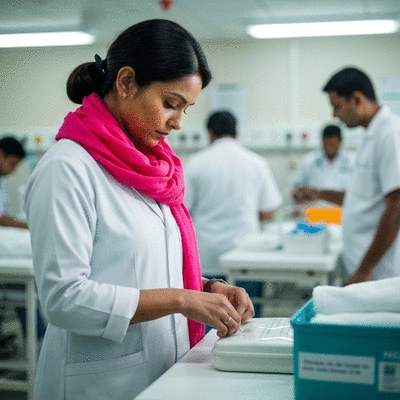
Importance of Choosing the Right Safety Equipment Vendor
The right safety equipment vendor can be a game-changer for your business. Here are some reasons why:
- Compliance Assurance: A reputable supplier will ensure that all products meet South African regulations, minimizing your risk of legal issues.
- Quality Products: Quality safety gear protects your employees, reducing workplace accidents and boosting morale.
- Reliable Support: Good vendors offer ongoing support and advice, helping you adapt to changing safety requirements.
By partnering with a trustworthy vendor, you can foster a culture of safety and create a more secure working environment for your team.
Key Considerations When Analyzing Safety Equipment Suppliers
When it comes to evaluating potential suppliers, keep these key considerations in mind:
- Product Variety: Look for suppliers that offer a wide range of safety products tailored to your specific industry needs.
- Certifications: Ensure that the vendor holds necessary certifications, such as SABS approval, to guarantee product quality.
- Customer Service: A responsive supplier can make a world of difference, especially when urgent safety needs arise.
These considerations will help you make well-informed decisions when selecting a supplier that fits your company's unique OHS requirements.
Essential Criteria for Evaluating Safety Equipment Suppliers
Before finalizing your choice, there are essential criteria to evaluate safety equipment suppliers thoroughly. Understanding these aspects can save you from potential pitfalls and ensure you invest in the right solutions for your business.
Compliance and Certifications: What You Need to Know
Compliance with safety regulations is paramount for any business operation. This section will cover the certifications that you should prioritize when evaluating your options.
Understanding SABS Approval and Its Significance
The SABS (South African Bureau of Standards) approval is a benchmark for quality in safety equipment. Products bearing this mark have been tested and meet stringent safety standards, which is critical for protecting your workforce.
The Role of BBBEE in Vendor Selection
In South Africa, Broad-Based Black Economic Empowerment (BBBEE) is an important consideration when selecting suppliers. Working with BBBEE-compliant vendors not only supports equitable practices but can also enhance your company's overall score in compliance assessments.
Industry-Specific Safety Standards to Consider
Different industries have unique safety requirements. Familiarizing yourself with the specific safety standards relevant to your sector is vital. For instance, the mining and construction industries have distinct needs compared to sectors such as healthcare or manufacturing. For example, understanding what to look for in workplace hearing protection essentials can be crucial for specific industrial environments.
Quality of Products: Assessing Personal Protective Equipment (PPE)
Assessing the quality of the PPE offered by potential suppliers can significantly impact workplace safety.
Evaluating the Range of Products Offered by Suppliers
When it comes to PPE, variety is essential. Look for suppliers who provide a comprehensive range of equipment, from helmets to gloves and everything in between. This will ensure you can find the right gear for every task!
Specialized Equipment: From Gas Detection to Fall Protection
Depending on your industry, you may need specialized equipment. Ensure your supplier offers products such as gas detectors or fall protection systems, tailored to meet the specific hazards your employees may face.
Leading Brands in PPE: SafetyGear, Honeywell, and 3M Safety
Familiarize yourself with leading brands in the market. Companies like SafetyGear, Honeywell, and 3M Safety are known for their quality and reliability. Partnering with suppliers that carry these brands can provide peace of mind regarding product performance.
Experience and Reputation: Why It Matters
Experience and reputation play a critical role in your decision-making process.
How to Research a Supplier's Industry Experience
Investigate the supplier's history in the industry. A vendor with years of experience often has a wealth of knowledge and insight, which can be beneficial for your business.
Customer Reviews and Case Studies: Gauging Supplier Trustworthiness
Look for customer reviews and case studies to gauge the trustworthiness of potential suppliers. Positive testimonials can give you confidence in your choice.
Recognizing Trusted Providers: Insights into SHESa and BSI Group
Reputable organizations like SHESa and BSI Group are known for their commitment to safety and compliance. Suppliers associated with these organizations often adhere to high standards, making them more reliable choices. This is similar to how certain training providers are recognized for quality, such as those offering first aid courses.

We Want to Hear From You!
As you consider the right safety equipment supplier, what key factors are most important to you? Is it the quality of products, compliance with regulations, or perhaps the vendor's reputation? Share your thoughts below:
Frequently Asked Questions (FAQs)
- Q: Why is SABS approval important for safety equipment?
- A: SABS approval signifies that products have been tested and meet stringent South African safety standards, which is crucial for protecting your workforce and ensuring compliance.
- Q: What is BBBEE compliance and why should I consider it when selecting a vendor?
- A: BBBEE (Broad-Based Black Economic Empowerment) compliance in South Africa promotes equitable business practices. Selecting BBBEE-compliant vendors supports these practices and can improve your company's compliance assessment scores.
- Q: What are the key areas to consider when evaluating safety equipment suppliers?
- A: The three core areas are Compliance & Certifications, Quality of Products, and Experience & Reputation. These ensure the vendor aligns with your safety needs and values.
- Q: How can I assess the quality of PPE offered by a supplier?
- A: Look for a comprehensive range of equipment, check if they offer specialized gear relevant to your industry (like gas detectors or fall protection), and see if they carry products from leading, reputable brands such as SafetyGear, Honeywell, and 3M Safety.
- Q: Besides certifications, what else indicates a supplier's trustworthiness?
- A: A supplier's industry experience, positive customer reviews, case studies, and associations with recognized organizations like SHESa and BSI Group are strong indicators of trustworthiness and adherence to high standards.
Summarizing the Vendor Selection Process for Safety Equipment
Choosing the right safety equipment supplier is a critical step towards ensuring a safe and compliant workplace. By now, you should have a clear understanding of the essential criteria to evaluate potential vendors. It’s not just about price; you want to consider compliance, product quality, and the supplier's reputation. Here are the key takeaways to keep in mind:
- Compliance and Certifications: Always verify that the supplier meets industry standards and holds relevant certifications.
- Quality of Products: Assess the range and reliability of their personal protective equipment (PPE).
- Experience and Reputation: Research their industry experience and customer reviews to gauge trustworthiness.
In conclusion, the vendor selection process isn’t just a checklist; it’s about building a partnership that enhances workplace safety. I encourage you to take your time and thoroughly evaluate each supplier to ensure that you’re making the best decision for your business.
Final Thoughts on Choosing the Right Supplier
As you embark on the journey of selecting a supplier for safety equipment, remember that the right choice significantly impacts your organization’s safety culture. With my experience at OHS Hub South Africa, I can assure you that fostering a relationship with a reliable supplier leads to better safety outcomes. Take the time to weigh your options, and don’t hesitate to reach out for support if needed!
Ultimately, it’s about creating a safe environment for your employees. A solid supplier can provide you with the tools and support necessary to maintain compliance and promote a culture of safety. If something doesn’t feel right during the evaluation, trust your instincts and keep looking!
Taking the Next Steps Towards Safe Equipment Procurement
Contacting Suppliers for Quotes and Further Information
Now that you’ve identified potential suppliers, it’s time to reach out! Contacting suppliers will help you obtain quotes and additional information about their products and services. Be sure to ask specific questions regarding pricing, lead times, and any discounts for bulk orders. A clear understanding of these factors will facilitate informed decision-making.
When contacting suppliers, I recommend preparing a list of questions to streamline the process. Here are some points to consider:
- What certifications do your products have?
- Can you provide references from previous clients?
- What are your delivery terms and support services?
Being thorough in your inquiries will help you gauge whether a supplier fits your needs. Don't rush this part—gathering detailed information is crucial for making the right choice!
Engaging with Experts for Personalized Recommendations
Sometimes, navigating the world of safety equipment can feel overwhelming. That’s where engaging with experts can be invaluable! Consider reaching out to industry professionals for personalized recommendations. They can provide insights that might not be readily available and help you make the best decisions tailored to your business's specific needs.
Consulting with Safety Training Providers for Comprehensive Safety Solutions
Additionally, collaborating with safety training providers can enhance your procurement process. They often have firsthand knowledge of reliable suppliers and can recommend equipment that aligns with your training programs. For instance, if you’re investing in fall protection gear, a training provider can guide you on what to look for to ensure it meets your operational needs. This way, you can ensure that your safety equipment and training go hand in hand! This is especially true for specialized training like working at heights certification.
Let’s work together to promote a culture of safety in your workplace. By following these steps, you’ll be well-equipped to select the right safety equipment suppliers and ensure a secure environment for your team!
Recap of Key Points
Here is a quick recap of the important points discussed in the article:
- Compliance Assurance: Partner with suppliers that meet South African safety regulations to minimize legal risks.
- Product Quality: Choose vendors that offer high-quality safety gear to protect employees and enhance morale.
- Reliable Support: Look for suppliers who provide ongoing support and guidance to adapt to changing safety needs.
- Variety of Products: Ensure the supplier offers a comprehensive range of safety products tailored to your industry.
- Certifications: Verify that the vendor holds necessary certifications like SABS approval for product quality.
- Experience and Reputation: Research the supplier's history and customer reviews to gauge their reliability and trustworthiness.
 As we approach 2025, many businesses in South Africa will face significant changes to workplace regu
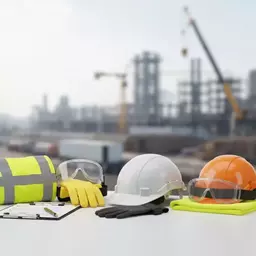 How prepared is your workplace for the upcoming changes in safety regulations? The 2025 OSHA updates
 In today's fast-paced work environment, the importance of effective training cannot be overstated. W