OSHA & ANSI Regulations
Legal framework and performance criteria for eye protection.
Join the OHS Hub South Africa community for essential safety insights, compliance tips, and product updates.
Posted on: 2026-01-17
By: Thandiwe Mokoena
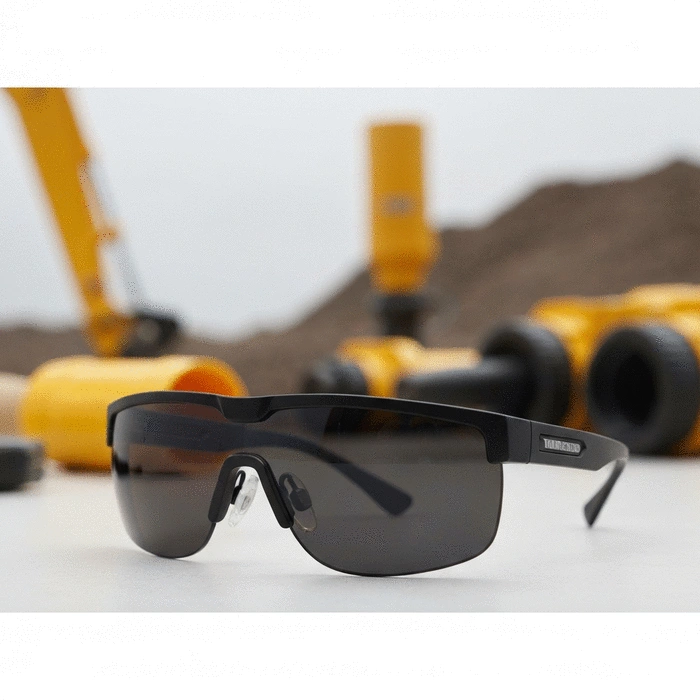
Understanding and adhering to OHS and ANSI standards for eye protection involves several critical components. This visual highlights the essential elements for ensuring a safe working environment and proper safety eyewear selection.
Legal framework and performance criteria for eye protection.
Next Step: Download our comprehensive compliance checklist to evaluate your current practices.
When it comes to workplace safety, understanding OHS standards related to eye protection is crucial. The Occupational Safety and Health Administration (OSHA) and the American National Standards Institute (ANSI) both play significant roles in ensuring that workers are protected from eye injuries. Compliance with these regulations is not just a legal requirement but also a moral obligation to safeguard your team.
OSHA regulations set the foundation for workplace safety while ANSI Z87.1 outlines the specific requirements for eye and face protection. By adhering to these standards, businesses can significantly reduce the risk of workplace eye injuries, which are entirely preventable with the proper precautions.
OSHA establishes the legal framework for occupational health and safety, ensuring that employers provide a safe working environment. Meanwhile, the ANSI Z87.1 standard specifies the performance criteria for safety glasses and eye protection devices. These regulations are periodically updated to reflect advancements in technology and safety practices. Employers looking to enhance their safety protocols might also consider comprehensive site manager compliance training.
It's important for businesses to stay informed about these regulations to ensure compliance and to promote a culture of safety in the workplace. At OHS Hub South Africa, we can help you navigate these complex regulations to enhance your safety strategies!
To ensure compliance with ANSI Z87.1, there are several key components that must be considered. First, impact testing is essential; safety glasses must withstand a specific level of impact, which is critical in hazardous environments. Additionally, every pair of compliant glasses must feature proper marking, indicating that they meet ANSI standards.
Understanding these components is vital for selecting the right safety glasses that provide the necessary protection. If you're unsure about compliance, don't hesitate to reach out to OHS Hub South Africa for guidance!
Choosing the appropriate eye protection is essential, especially in hazardous environments. Each workplace presents unique challenges, and identifying the specific hazards will guide you in selecting the right safety eyewear.
Common hazards include exposure to chemicals, UV radiation, flying particles, and lasers. Each of these scenarios requires tailored eye protection solutions to effectively mitigate risks. Let's dive into the specific needs!
It's crucial to match eye protection with the specific hazards present in your workplace. Here are some examples:
By identifying these hazards, you can select appropriate safety glasses that not only meet compliance but also provide peace of mind for you and your workers. At OHS Hub South Africa, we’re dedicated to helping you find the right solutions for your unique safety needs! For instance, ensuring your team wears appropriate safety footwear is just as crucial as eye protection in many hazardous settings.
When selecting safety glasses, it's important to consider various features that enhance protection and usability. Here are some essential features to look out for:
Each feature plays a crucial role in creating a safe and effective eye protection strategy. Remember, the right choice can make all the difference in preventing accidents in the workplace!
The material of the lenses is a key factor in eye protection. Different materials offer various benefits, but polycarbonate lenses are often the top choice for safety eyewear.
Polycarbonate lenses are lightweight, impact-resistant, and provide UV protection, making them an excellent option for a range of hazardous environments. Additionally, they're thinner and more comfortable to wear for long periods, which is a big plus for workers who need to focus on their tasks.
At OHS Hub South Africa, we can provide insights into the best lens materials that suit your specific workplace needs—contact us to learn more!
Many employers have questions regarding what constitutes compliant safety glasses under OSHA and ANSI standards. Here are some of the most frequently asked questions:
By addressing these common questions, we can help businesses maintain compliance and protect their workforce effectively. Don’t hesitate to reach out for more detailed information on eye protection compliance!
Did you know? Regular training sessions on the proper use of safety glasses can significantly enhance compliance and reduce the risk of eye injuries in the workplace. Consider scheduling monthly workshops to educate your team on the importance of eye protection and how to choose the right eyewear based on specific hazards.
The main standards are set by OSHA (Occupational Safety and Health Administration), which provides the legal framework, and ANSI (American National Standards Institute) Z87.1, which specifies performance criteria for eye and face protection devices.
ANSI Z87.1 compliance includes requirements for impact testing (safety glasses must withstand specific impacts), proper marking on the eyewear to indicate compliance, and adherence to evolving standards as they are updated.
You must match eye protection to specific hazards. For chemical exposure, use splash goggles. For UV exposure, choose UV-blocking lenses. For flying particles, use safety glasses with side shields. For laser operations, specialized laser eyewear is required.
Essential features include high impact resistance, side shields for peripheral protection, anti-fog coatings for clear visibility, and prescription options for workers needing vision correction.
Polycarbonate lenses are recommended because they are lightweight, highly impact-resistant, and provide built-in UV protection. They are also thinner and more comfortable for extended wear.
Regular inspections are crucial to ensure that eyewear remains in good condition and continues to meet compliance standards. The frequency may vary based on workplace conditions and usage.
Understanding OHS standards is crucial when it comes to protecting employees from workplace hazards. The regulations and guidelines set by OSHA and ANSI, particularly ANSI Z87.1, provide a framework for selecting appropriate safety glasses. These standards ensure that the eyewear not only meets safety requirements but also addresses the specific risks associated with various job environments.
When selecting eye protection, it's essential to consider several factors. Employers should assess the specific hazards present in their workplace, such as chemicals, UV exposure, or flying particles. By matching the right safety glasses to these hazards, we can significantly reduce the risk of eye injuries and enhance workplace safety. For a deeper understanding of general workplace safety, consider resources on complying with South Africa's OHS Act.
As a business owner committed to occupational health and safety, it's vital to review your current eye protection policies. Ensuring that workers have access to compliant safety glasses is not just a legal obligation but a moral responsibility. By providing suitable equipment that meets OHS standards, you'll not only protect your employees but also foster a culture of safety.
To start, I encourage you to download our comprehensive compliance checklist. This tool will help you evaluate your current practices and make necessary adjustments. Additionally, if you have any questions or need expert guidance, don’t hesitate to reach out to us at OHS Hub South Africa. We’re here to assist you in creating a safer work environment for everyone! Providing essential first aid kits for work is another foundational step toward a comprehensive safety program.
Here is a quick recap of the important points discussed in the article: