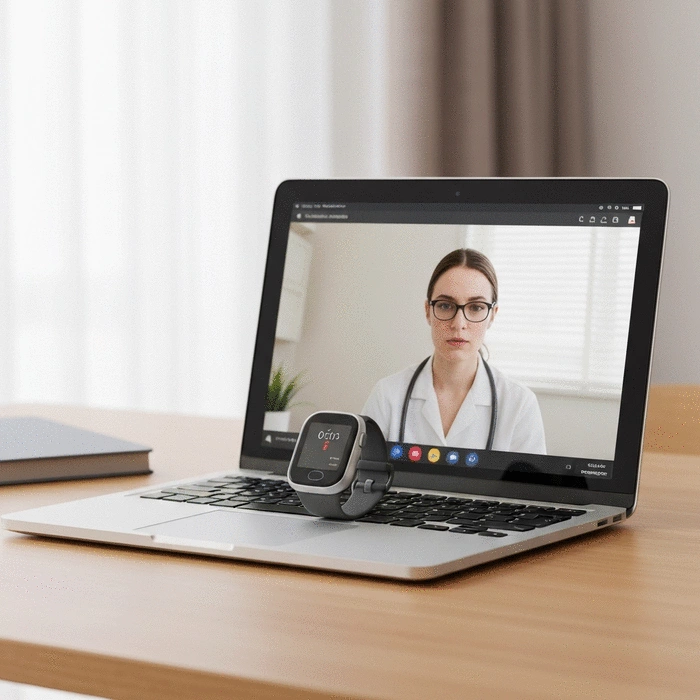
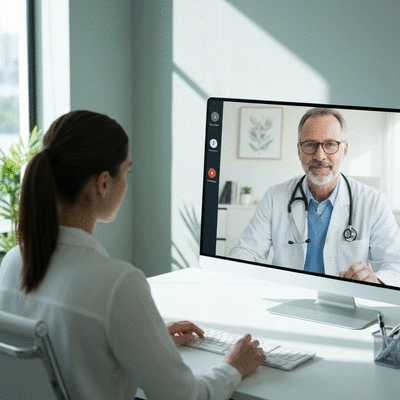
In the evolving landscape of occupational health, the advent of telemedicine is reshaping how we approach employee care. This incredible technology not only enhances accessibility but also promotes proactive health management. As we delve into this subject, let's uncover the key insights that can empower businesses to leverage telehealth for a healthier workforce.
What You Will Learn
Telemedicine offers increased accessibility to healthcare services for employees, ensuring timely medical attention.
Organizations can significantly reduce healthcare costs while managing chronic conditions effectively through remote monitoring.
The integration of virtual care platforms enhances productivity and reduces downtime by streamlining access to health services.
Conducting a cost-benefit analysis helps businesses understand the financial impacts of adopting telehealth solutions.
Real-world success stories demonstrate the tangible benefits of telemedicine in reducing workplace injuries and improving employee engagement.
Monitoring key performance indicators (KPIs) allows companies to measure the return on investment from telehealth implementations.
Addressing integration challenges and fostering open communication can significantly ease the transition to telehealth systems.
Mobile health applications can greatly enhance patient engagement, encouraging a proactive approach to health management.
The ROI of Telemedicine and Remote Monitoring
Key areas where telehealth solutions provide economic benefits and improve workplace health.
Cost-Benefit Analysis Factors
Reduced Travel Costs
Employees save time and money by accessing healthcare remotely.
Lower Absenteeism
Quick access to care results in fewer missed workdays.
Increased Access to Specialists
Remote consultations connect workers with specialized care.
Cost Savings:Reduction in healthcare expenditures.
Utilization Rates:How often employees use services.
Satisfaction Scores:Employee feedback on services.
Health Outcomes:Improvements in employee health.
Understanding Telemedicine and Remote Medical Monitoring in Occupational Health
In today’s fast-paced world, telemedicine has emerged as a revolutionary force in the field of occupational health. It allows healthcare providers to deliver medical services remotely, making it easier for employees to access care without the hassles of traditional office visits. This shift not only enhances convenience but also helps in managing health issues proactively, which is crucial for maintaining a safe and compliant workplace.
As a passionate advocate for workplace safety at OHS Hub South Africa, I believe understanding telemedicine's potential can significantly impact how businesses approach health and safety. It’s not just about convenience; it's about building a healthier workforce equipped to tackle the challenges of their job environments, including the need for workplace medicals in South Africa!
Defining Telemedicine: A New Era in Occupational Health
Telemedicine is more than just a trend; it’s a game-changer for occupational health. By leveraging technology, it allows for consultations and treatment to occur virtually, which can be particularly beneficial in remote or high-risk environments. Employees can receive immediate care without the need to travel, which saves time and reduces the risk of exposure to workplace hazards.
Increased accessibility to healthcare services
Reduction in healthcare costs for both employers and employees
Improved management of chronic conditions
These key benefits make telemedicine an attractive option for companies looking to enhance their occupational health strategies. By offering this service, businesses can demonstrate a commitment to employee well-being and compliance with health regulations.
Remote Medical Monitoring: Bridging the Gap Between Patients and Providers
Remote medical monitoring enables continuous tracking of employee health metrics, which can be invaluable in identifying potential issues before they escalate. This technology bridges the gap between patients and providers, ensuring that health professionals have real-time data to make informed decisions regarding treatment.
Heart rate and blood pressure monitoring
Chronic condition management
Post-incident follow-ups and care
As we focus on creating a safer workplace, incorporating these monitoring systems at OHS Hub South Africa can help businesses maintain a proactive approach to health management, ultimately leading to a healthier workforce. This proactive approach is also crucial when considering drug screening in occupational health.
Exploring Virtual Care Platforms and Their Impact on Occupational Health
Virtual care platforms are at the forefront of the telemedicine revolution. They provide an array of services, from video consultations to remote diagnostics, all from the comfort of the employee’s location. This not only enhances the experience for workers but also streamlines the process for employers.
With platforms that integrate various health services, employers can ensure that their teams have comprehensive access to care, reducing downtime and improving overall productivity. Embracing these technologies can make a significant difference in how occupational health services are delivered.
Engage With Us!
We're curious about your experience! Have you or your organization implemented telemedicine or remote monitoring in your occupational health strategies? What benefits or challenges have you encountered? Share your thoughts below:
Evaluating the ROI of Telemedicine and Remote Monitoring
As we dive deeper into the world of telemedicine and remote monitoring, it’s essential to evaluate their return on investment (ROI). For businesses, understanding the financial implications of adopting these technologies can help make informed decisions. After all, investing in your employees' health can lead to significant cost savings and improved productivity!
To get started, let’s discuss the key areas where telehealth solutions can provide economic benefits. Conducting a thorough cost-benefit analysis is a great way to see how implementing these solutions can positively impact your bottom line.
Cost-Benefit Analysis for Implementing Telehealth Solutions
When contemplating telemedicine, it’s crucial to assess both the costs and benefits associated with its implementation. Here are some of the factors to consider:
Reduced Travel Costs: Employees save time and money by accessing healthcare remotely.
Lower Absenteeism: Quick access to care can lead to fewer missed workdays.
Increased Access to Specialists: Remote consultations can connect workers with specialized care without the need for long travel.
By evaluating these aspects, you can create a clearer picture of how telemedicine can be a financially viable choice for your organization.
Case Studies: Success Stories in Occupational Health
Real-world examples can be extremely enlightening when considering new health solutions. Here are some success stories from companies that have integrated telemedicine into their occupational health programs:
Company A: Implemented telehealth services and saw a 30% reduction in workplace injuries due to quicker access to medical advice.
Company B: Leveraged remote monitoring for chronic conditions, resulting in a 25% decrease in hospitalizations among employees.
Company C: Enhanced employee engagement through virtual wellness programs, leading to improved productivity metrics.
These case studies illustrate the tangible benefits of telehealth solutions in various industries, proving that investing in employee health pays off!
Return on Investment in Telemedicine: Metrics that Matter
To accurately measure the ROI of telemedicine, it's vital to focus on specific metrics. Here are some key performance indicators (KPIs) to track:
Cost Savings: Calculate the reduction in healthcare expenditures over time.
Employee Utilization Rates: Monitor how often employees are using telehealth services.
Patient Satisfaction Scores: Regularly gather feedback to ensure employees are satisfied with the services provided.
Health Outcomes: Track improvements in employee health metrics, such as reduced chronic disease management costs.
By keeping an eye on these metrics, employers can better understand the impact of telemedicine on their workforce and overall organizational health.
Overcoming Challenges in Integration
While the benefits of telemedicine are compelling, integrating these systems can come with its own set of challenges. Addressing these hurdles head-on is key to successful implementation!
Let’s explore some common challenges companies may face and how to effectively overcome them.
Addressing Legacy System Integration Issues in Occupational Health
Many organizations struggle with integrating new telehealth solutions into existing legacy systems. Here are some steps to address these challenges:
Assess Compatibility: Evaluate whether your current systems can support new telehealth solutions.
Invest in Training: Ensure your staff understands how to navigate the new systems.
Pilot Programs: Start with small-scale implementations to identify potential issues before full rollout.
By taking these steps, you can smooth the transition and ensure a more successful integration of telehealth into your occupational health strategy.
Strategies for Effective Change Management and Adoption
Change can be daunting, but with the right strategies, you can facilitate a smoother transition. Here are some effective change management tips:
Communicate Clearly: Share the benefits of the new system with your team.
Engage Employees: Involve employees in the decision-making process to foster a sense of ownership.
Provide Ongoing Support: Offer resources and assistance during the transition to help employees adapt.
Fostering a culture of open communication and support can significantly enhance employee buy-in and ease the adoption process, much like effective communication is vital for mastering daily safety briefings.
Enhancing Patient Engagement Through Mobile Health Applications
Utilizing mobile health apps can significantly improve patient engagement in telemedicine. Here’s how:
User-Friendly Interfaces: Ensure the app is easy to navigate, encouraging regular use.
Personalized Health Reminders: Implement notifications for appointments and medication schedules.
Feedback Features: Allow users to provide feedback on their experience, helping you improve services continuously.
By prioritizing patient engagement through technology, organizations can foster a more proactive approach to health management!
Fostering Equity and Access in Telehealth
Equity in healthcare is a vital concern that cannot be overlooked. In the rapidly evolving landscape of telemedicine, it’s essential to ensure that all employees have fair access to these services.
Let’s discuss how to promote inclusive access and equity in telehealth offerings.
Frequently Asked Questions (FAQs) about Telemedicine in Occupational Health
What is telemedicine in the context of occupational health?
Telemedicine in occupational health involves delivering medical services remotely to employees, facilitating virtual consultations, diagnoses, and treatment without the need for in-person office visits. This includes managing injuries, illnesses, and preventive care.
How can telemedicine reduce healthcare costs for businesses?
Telemedicine can reduce costs by lowering employee absenteeism due to quicker access to care, minimizing travel expenses for healthcare appointments, and improving the management of chronic conditions, which can lead to fewer hospitalizations and reduced long-term health expenditures.
What are the key benefits of remote medical monitoring?
Remote medical monitoring allows for continuous tracking of employee health metrics, enabling early detection of potential health issues, proactive management of chronic conditions, and efficient post-incident follow-ups. This helps bridge the gap between patients and providers by providing real-time data.
How do virtual care platforms enhance productivity?
Virtual care platforms enhance productivity by streamlining access to various health services, from video consultations to remote diagnostics. This reduces employee downtime associated with traditional doctor visits and ensures timely medical attention, keeping employees healthier and more engaged.
What metrics should be tracked to measure the ROI of telemedicine?
Key performance indicators (KPIs) for measuring telemedicine ROI include cost savings (reduction in healthcare expenditures), employee utilization rates of telehealth services, patient satisfaction scores, and improvements in overall employee health outcomes, such as reduced chronic disease management costs and workplace injuries.
What are common challenges when integrating telemedicine into existing systems?
Common challenges include assessing compatibility with legacy systems, ensuring adequate staff training, and initial resistance to change. These can be overcome by conducting pilot programs, providing ongoing support, and clearly communicating the benefits to employees.
Recap of Key Points
Here is a quick recap of the important points discussed in the article:
Telemedicine enhances accessibility to healthcare services, allowing employees to receive care remotely.
Remote medical monitoring facilitates continuous tracking of health metrics, helping in proactive health management.
Virtual care platforms streamline consultations and diagnostics, improving overall productivity for businesses.
Conducting a cost-benefit analysis is essential for understanding the ROI of telehealth solutions.
Successful integration of telemedicine requires addressing legacy system issues and providing thorough training to staff.
Fostering equity and access in telehealth is crucial to ensure all employees receive fair healthcare opportunities.
Your go-to resource for ensuring workplace safety and compliance. We help South African businesses with essential services, accredited training, and quality safety products and practical guidance.
Trusted by businesses across various industries, our mission is to provide reliable, easy-to-follow insights backed by extensive knowledge of South African regulations and best practices.
Tip: Did you know? Nearly 4,000 workplace injuries occur daily in South Africa. Ensure your team has the right PPE – it's a legal and moral obligation!
Tip: How effective is your safety training? Regular assessments empower your workforce for emergencies. Consider monthly refreshers or expert insights!
Tip: Navigating the OHS Act can be simple! Identify key industry areas and create a compliance checklist. We've got templates to help!
Tip: Empower your team with crucial skills! Access accredited first aid and safety training programs through OHS Hub South Africa today.
Tip: Looking for quality safety equipment? Our curated selection ensures you meet compliance and protect your workforce effectively.