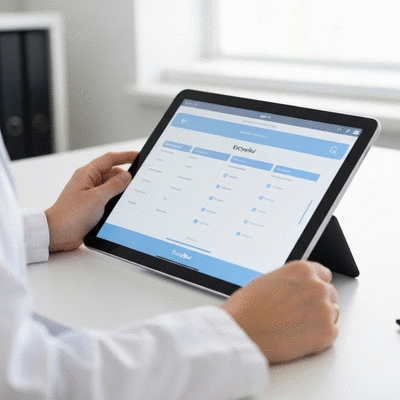
Service Capabilities
Assess if the provider meets specific industry needs (On-site, Virtual, Mobile services).
- On-site: Immediate medical attention
- Virtual: Flexibility for remote employees
- Mobile: Adaptable for workers on the move
Join the OHS Hub South Africa community for essential safety insights, compliance tips, and product updates.
Posted on: 2026-02-24
By: Thandiwe Mokoena
What if choosing the right occupational health service provider could not only enhance compliance but also boost employee morale and productivity? The choice you make can significantly impact your workforce's health and safety.
Streamline your decision-making process for selecting an occupational health provider with this comparative overview of key factors.
Assess if the provider meets specific industry needs (On-site, Virtual, Mobile services).
Evaluate credentials, experience, and client feedback for quality care.
Align with company values, tailor solutions, and integrate processes.
Verify adherence to OSHA and HIPAA standards to protect your business.
Making informed choices about your occupational health service provider is crucial for any business that prioritizes employee well-being. It’s not just about compliance; it's about creating a safe and productive work environment. When you choose the right provider, you’re investing in the health of your workforce, which can lead to increased morale and productivity!
At OHS Hub South Africa, we understand that the right occupational health services can make all the difference in maintaining a healthy workplace. By focusing on employee well-being, companies can reduce absenteeism and enhance overall performance, creating a win-win situation for everyone involved.
Occupational health services play a pivotal role in promoting employee health and safety. They provide essential support through various programs aimed at preventing workplace injuries and illnesses. Here are some key aspects of how these services benefit your team:
When employees feel supported and healthy, they are more engaged and productive. It's this holistic approach that can transform a company's culture from just compliance-focused to genuinely caring about its people!
Compliance with health and safety regulations is non-negotiable in today’s workplace. Choosing the right occupational health provider can ensure that your company meets all necessary legal requirements. This helps protect your business from penalties and enhances the safety culture within your organization.
By selecting a knowledgeable partner, you not only safeguard your business against potential liabilities but also foster a culture of safety that permeates every level of your organization.
Choosing an occupational health provider is a significant decision that requires careful consideration. Here are some key factors you should keep in mind to ensure you select a provider that meets your business needs:
By taking these factors into account, you can build a strong foundation for a successful partnership with your occupational health provider, ultimately leading to a safer work environment for everyone involved!
Different industries have unique health demands, and it’s vital to find a provider equipped to handle them. Here’s a breakdown of service capabilities you should consider:
Understanding these various options helps ensure that you select a provider who can effectively cater to your specific operational needs.
Each service type has distinct advantages. On-site services allow for immediate medical attention, while virtual services offer flexibility for remote employees. Mobile health services can adjust to the needs of workers who are frequently on the move. By weighing each option, you can choose the best fit for your team!
OSHA compliance is just the beginning! A great provider will offer a range of specialized services beyond basic compliance requirements. These can include:
These services not only help comply with regulations but also demonstrate a commitment to comprehensive employee care.
Each industry has its unique challenges when it comes to health and safety. Therefore, it's essential to evaluate how well a provider understands and addresses these specific needs. A provider with experience in your industry can offer tailored solutions that effectively mitigate risks and improve employee health outcomes.
Once you’ve established the capabilities you need, it’s time to dig deeper into your potential provider's qualifications and expertise. Here’s what to look for:
Having a qualified provider not only enhances your compliance efforts but also ensures your employees receive the best care possible!
Don’t overlook the importance of verifying clinical credentials. Providers should have qualified medical professionals who are familiar with the latest occupational health standards and regulations. Certifications from recognized bodies can be a good indicator of their commitment to maintaining high standards of care.
Physician oversight is crucial in ensuring that the services delivered are effective and comply with best practices. A provider that prioritizes ongoing medical supervision can offer better health outcomes for your employees.
Finally, never underestimate the power of feedback! Take the time to research client reviews and case studies to gauge a provider's reputation. Positive testimonials can provide insights into the quality of service and help you make an informed decision.
A successful partnership goes beyond just fulfilling contractual obligations. It’s about developing a trusting relationship with your provider. Here are some essential elements to focus on:
When you build a partnership based on trust and understanding, it leads to better communication, collaboration, and ultimately, better health outcomes for your workforce!
Knowing your company culture is essential for any provider you choose. They should understand and respect your existing Environmental Health & Safety (EH&S) processes to integrate smoothly. This ensures that health services enhance rather than disrupt your operations.
Every business is unique, and so are its health needs! A one-size-fits-all approach often falls short in effectively addressing specific challenges. Tailored solutions ensure that your occupational health provider can meet your needs, thereby improving the overall health of your employees.
Lastly, integrating occupational health services with your HR policies can improve employee health management. When all processes are aligned, communication flows smoothly, and employees feel supported in all aspects of their health!
Compliance is a major factor when selecting an occupational health provider. By ensuring that your provider adheres to OSHA and HIPAA standards, you protect your business from legal risks and foster a safe environment for your employees. Here are some key compliance areas to consider:
Proper compliance not only protects your business but also boosts employee trust and morale!
A1: Selecting the right provider is crucial because it not only ensures compliance with health and safety regulations but also significantly impacts employee morale and productivity. It's an investment in your workforce's health, leading to reduced absenteeism and enhanced overall performance.
A2: Key factors include service capabilities (on-site, virtual, mobile), provider qualifications (clinical credentials, experience, client feedback), partnership style (alignment with company values, tailored solutions), and regulatory compliance (OSHA, HIPAA, and recordkeeping).
A3: They contribute through health screenings to identify risks early, wellness programs that promote healthy lifestyles, and efficient injury management to minimize downtime. This holistic approach supports employees' physical and mental health, leading to greater engagement and productivity.
A4: Compliance is non-negotiable. A good provider helps your company meet all legal requirements by maintaining accurate health and safety records, providing proper training programs, and conducting regular audits. This protects your business from penalties and fosters a strong safety culture.
A5: Every business has unique health and safety needs. Tailored solutions ensure that the occupational health provider can specifically address your company's challenges, making their services more effective and improving overall employee health outcomes compared to generic approaches.
When assessing potential providers, ensure they can demonstrate strong compliance protocols. Look for evidence of successful audits, training programs, and their ability to respond to regulatory changes. This diligence will keep your company ahead of the curve!
Confidentiality is paramount in occupational health. Providers must have robust systems in place to ensure that all medical records are kept secure and comply with HIPAA regulations. This protects your employees’ private information and fosters trust.
Finally, health policies should align with local regulations and best practices. A provider who prioritizes this aspect will create a safer work environment, leading to fewer incidents and better employee well-being.
When selecting your occupational health provider, consider asking for case studies or examples of their success in improving workplace health in similar industries. This insight can provide you with confidence in their ability to meet your specific needs and enhance employee well-being.
Choosing the right occupational health service provider is a critical step for any organization. At OHS Hub South Africa, we understand the weight of this decision and the impact it has on employee well-being and compliance. Let's recap the key considerations that should guide your selection process.
These considerations create a solid foundation for your decision. The right provider not only enhances workplace safety but also fosters a culture of health and wellness.
Now that we've outlined important factors, it’s time to take actionable steps. I recommend developing a comparative framework to evaluate your potential providers. Here's how you can structure your evaluation:
By using a structured approach, you can make a well-informed choice that supports your organization’s health and safety goals.
Ready to dive deeper into the provider selection process? At OHS Hub South Africa, we’ve created a comprehensive Occupational Health Provider Evaluation Checklist just for you! This tool will simplify your decision-making and ensure no essential factor is overlooked.
This checklist includes critical items like evaluating service capabilities, assessing compliance areas, and identifying key performance indicators. It’s a practical guide designed to streamline your evaluation and help you arrive at the best decision.
If you have any questions or need personalized assistance in selecting the right provider, don’t hesitate to reach out! At OHS Hub South Africa, we’re here to help you create a safer and healthier work environment. Let’s work together to ensure your occupational health strategy is effective and compliant!
Here is a quick recap of the important points discussed in the article: