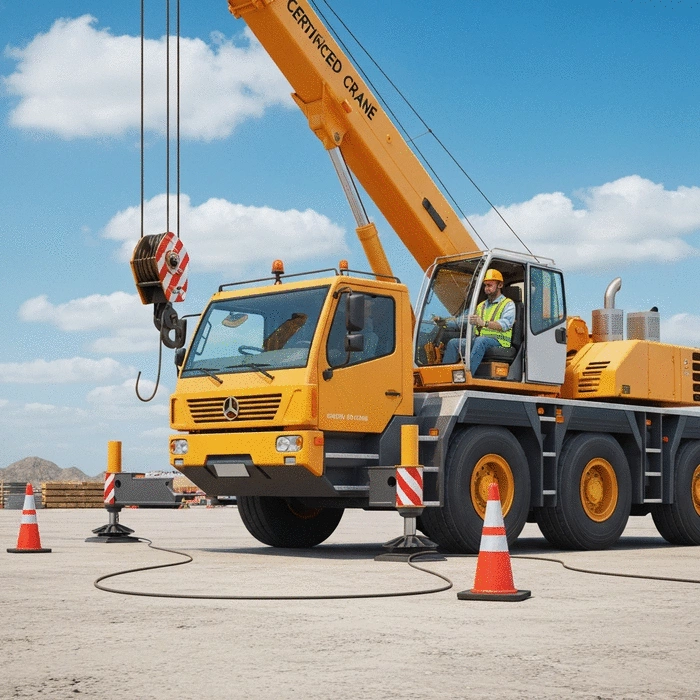
Eligibility Requirements
Candidates must meet essential criteria before certification.
- Age: At least 18 years old
- Ethical Standards: Good character
- Substance Policies: Zero tolerance
Join the OHS Hub South Africa community for essential safety insights, compliance tips, and product updates.
Posted on: 2026-02-03
By: Thandiwe Mokoena
Every year, the demand for skilled mobile crane operators continues to rise, making certification more important than ever. Did you know that proper training can significantly enhance workplace safety and operator employability?
This visual outlines the structured journey from a novice to a certified mobile crane operator, detailing eligibility criteria, examination components, and ongoing compliance requirements. Achieving mobile crane operator certification is a critical step for career advancement and ensuring safety on the job. To learn more about other essential safety roles, explore our guide on understanding SHE Representative Training.
Candidates must meet essential criteria before certification.
Two main components assess both knowledge and practical skills.
Comprehensive programs combine classroom and practical experience.
Maintaining credentials and staying updated on regulations.
Mobile crane operator certification is a vital aspect of ensuring safety and compliance in the construction and heavy equipment industries. This certification process establishes a baseline of knowledge and skills required for individuals to operate cranes effectively and safely. With the right certification, operators not only contribute to workplace safety but also enhance their employability and career prospects in an increasingly competitive job market. At OHS Hub South Africa, we understand the importance of connecting professionals with essential training resources to help them succeed!
The certification of mobile crane operators involves a rigorous process designed to assess their knowledge and competencies in crane operation. It is a recognition that the operator has met specific standards set by regulatory bodies, ensuring they understand both the technical and safety aspects of operating cranes. The significance of this certification can't be overstated; it is crucial for promoting safe work environments and minimizing risks associated with crane operations.
As someone passionate about workplace safety, I can’t stress enough how pivotal this certification is for operators and companies alike. It builds trust between employers and employees, fostering a culture of safety that benefits everyone!
Before embarking on the certification journey, candidates must meet several eligibility requirements. These requirements ensure that only qualified individuals can take on the significant responsibilities associated with crane operation. Candidates typically need to fulfill the following criteria:
By adhering to these requirements, we can ensure that the individuals stepping into crane operation roles are not only qualified but also committed to maintaining a safe work environment. At OHS Hub South Africa, we are dedicated to providing the resources needed to guide aspiring operators through this essential certification process!
The certification examination is a crucial component of the overall certification process. It is designed to assess both theoretical knowledge and practical skills through a comprehensive evaluation.
The National Commission for the Certification of Crane Operators (NCCCO) administers the certification exams and consists of two main components: a written exam and a practical exam. The written exam tests the operator's knowledge of crane operation, safety regulations, and general principles, while the practical exam evaluates hands-on skills in real-world scenarios. Understanding the format and duration of these exams can significantly enhance your preparation.
Preparing thoroughly for these exams is crucial. As someone with extensive experience in occupational health and safety, I recommend that candidates study the relevant operational procedures and safety protocols to ensure success!
The certification examinations are divided into core and specialty sections to address the diverse range of crane operations. The core examination consists of 90 questions, covering fundamental knowledge necessary for all crane operators. In addition, there are specialty exams available for specific types of cranes, including:
Understanding these distinctions is key for candidates looking to tailor their certification to their specific career goals. At OHS Hub South Africa, we provide insights into these specialties to help operators make informed decisions about their certification pathways.
Mobile cranes come in various types, each with its own operational characteristics and certification requirements. Understanding these crane types is essential for aspiring operators, as the certification process often varies based on the crane's specifications. Here are some common types of mobile cranes:
Each crane type may require specific training and certifications to ensure operators are well-equipped to handle the unique challenges they present. By connecting with OHS Hub South Africa, you can find the right resources to navigate these certification requirements effectively!
Transitioning from a novice to a certified crane operator involves a structured training pathway that combines both theoretical knowledge and practical experience.
There are numerous training programs designed to equip aspiring operators with the skills they need to succeed. These programs typically encompass both classroom instruction and hands-on field training to ensure a well-rounded education. At OHS Hub South Africa, we connect you with credible training providers that offer:
By participating in these comprehensive training programs, candidates can build the confidence and skill set necessary for a successful career in crane operation.
Typical training courses last around 5 days, providing an intensive learning experience. During this period, candidates will engage in:
The immersive nature of these courses prepares candidates not just for certification, but for real-world crane operation as well. OHS Hub South Africa is committed to connecting you to the right training programs tailored to your needs!
In today's training landscape, simulator training has become an invaluable tool for aspiring crane operators. This innovative approach allows operators to practice their skills in a controlled environment without the risks associated with real crane operation. Key benefits of simulator training include:
As an occupational health and safety professional, I highly recommend incorporating simulator training into your preparation. This method not only enhances skills but also boosts confidence before stepping into actual crane operation!
Compliance is a critical aspect of maintaining certification as a mobile crane operator. Staying updated with safety regulations ensures that operators adhere to best practices and remain legally compliant in their operations.
The Occupational Safety and Health Administration (OSHA) has established regulations (1926.1427) that are specifically relevant to crane operator certification. These regulations outline the necessary qualifications and training required for safe crane operation. By understanding these compliance regulations, operators can:
At OHS Hub South Africa, we emphasize the importance of understanding OSHA regulations to promote safety and compliance throughout the industry!
Beyond OSHA regulations, several key safety standards play a pivotal role in crane operation. These standards are established to promote safety and reduce accidents, ensuring that operators are always aware of best practices. Key standards include:
As part of the commitment to safety, staying informed about these standards is crucial for all crane operators. At OHS Hub South Africa, we pride ourselves on providing resources that keep you updated on the latest safety standards!
Maintaining certification is just as important as obtaining it. Operators are typically required to renew their certification every 3-5 years, depending on the requirements set forth by the certifying body and state regulations. Key aspects of the recertification process include:
By staying current with these recertification requirements, operators can maintain their credentials and ensure they are equipped with the latest safety knowledge and skills. OHS Hub South Africa is here to support you in navigating these requirements to keep your career on track!
As with any certification process, there can be questions and content gaps that aspiring operators may encounter. Understanding these common concerns can help you navigate the certification journey more effectively.
Certification requirements can differ significantly from one state to another, leading to confusion for operators seeking certification. Here are some insights into navigating these variations:
By being proactive and informed about state-specific requirements, operators can ensure that they are compliant and prepared for certification. OHS Hub South Africa serves as a valuable resource for connecting you with the necessary information and support!
Understanding the financial investment involved in certification is crucial for prospective operators. Key costs associated with obtaining mobile crane operator certification typically include:
By being aware of these potential expenses, candidates can budget accordingly and make informed decisions about their certification journey. OHS Hub South Africa aims to provide clarity on these costs to help operators plan effectively for their future!
As technology continues to evolve, so does the approach to crane operator training and certification. The rise of online courses offers a flexible alternative to traditional training methods. Some key points to consider include:
While online training can provide valuable resources, it is essential to ensure that it meets the necessary standards for certification. At OHS Hub South Africa, we strive to connect you with reputable online training options that prioritize quality and compliance!
Continuing education and ongoing safety training are vital for maintaining operator competency and compliance. Regular training helps operators stay updated on the latest safety practices and operational protocols. Key benefits include:
Investing in continuing education is a smart strategy for any crane operator looking to maintain their credentials and excel in their careers. At OHS Hub South Africa, we encourage operators to prioritize ongoing training as part of their professional development!
To further assist with exam preparation and understanding the certification process, utilizing visual and interactive resources can be extremely beneficial. Some valuable resources include:
These resources can enrich your learning experience and make the preparation process engaging and effective. OHS Hub South Africa is dedicated to providing you with access to these tools to support your journey towards certification!
Did you know that incorporating hands-on simulator training into your preparation can significantly enhance your skills? This method allows you to practice in a risk-free environment, boosting your confidence and ensuring you are well-prepared for real-world crane operations!
A1: Certification is crucial for ensuring workplace safety, meeting legal compliance, and enhancing an operator's career opportunities and earning potential in the competitive job market.
A2: Candidates must be at least 18 years old, demonstrate good character, and adhere to strict substance policies (zero-tolerance for drugs and alcohol).
A3: The NCCCO exam has two main parts: a written exam (typically 100 multiple-choice questions, 2 hours) and a practical exam that evaluates hands-on crane operation skills under supervision.
A4: Comprehensive training programs usually last around 5 days, combining classroom instruction with hands-on practical experience. Some programs also offer optional add-ons like rigger and signalperson courses.
A5: Recertification is typically required every 3-5 years, depending on the certifying body and local regulations. This usually involves ongoing training and successfully passing recertification exams or assessments.
A6: While online training offers flexibility and accessibility, it is essential to ensure that any online program is accredited and recognized by industry standards to meet certification requirements. Practical, hands-on training remains a critical component.
In conclusion, certification, training, and compliance are fundamental components that pave the way for a successful career as a mobile crane operator. The complexity of crane operations demands a robust understanding of safety regulations and operational protocols. By taking the necessary steps to become certified, you not only enhance your skills but also position yourself as a competent professional in a field that values safety and efficiency.
As someone who has dedicated over a decade to promoting workplace safety, I cannot stress enough how critical it is to stay updated with industry standards and practices. Engaging in comprehensive training and understanding the nuances of certification can significantly impact your career trajectory in this field.
Now that you have a clearer understanding of the certification process, I encourage you to take the next steps toward your certification journey! Start by exploring the variety of training programs available to suit your learning style and schedule. Here’s how you can begin:
By taking action today, you will be well on your way to achieving your mobile crane operator certification. Don't forget to check out the resources we offer at OHS Hub South Africa, including links to training providers, practice exams, and eligibility quizzes. Together, we can foster a safer work environment and promote excellence in crane operations! For those working at height, parallel safety considerations apply, and you can find more information on working at heights certification.
Here is a quick recap of the important points discussed in the article: