Essential Ladder and Tool Safety

Posted on: 2026-03-28
By: Thandiwe Mokoena
Approximately 4,000 workplace injuries occur every day, making ladder safety an essential topic that demands our attention. Understanding the protocols surrounding ladder use not only ensures compliance but can also save lives in high-risk environments.
What You Will Learn
- The significance of OSHA-compliant ladder safety training to reduce workplace accidents.
- Common ladder hazards and how to successfully mitigate them to maintain a safe working environment.
- Fall protection strategies that enhance safety when using ladders, including the use of guardrails and harnesses.
- Essential personal protective equipment (PPE) necessary for ladder safety, such as hard hats and non-slip footwear.
- Key skills every construction worker should master to ensure not just compliance, but also a strong safety culture.
- Actionable steps to elevate safety standards in your workplace, including regular training and feedback mechanisms.
Key Takeaways for Ladder Safety and Hand Tools Training
Ensuring a safe working environment requires mastering essential skills and implementing robust safety protocols, which is a critical component of working at heights certification.
Essential Skills Every Worker Needs
- ✓ Understanding ladder types
- ✓ Thorough pre-operation inspections
- ✓ Safe ladder setup techniques
- ✓ Hazard recognition & mitigation
- ✓ Effective tool handling on ladders
Elevating Safety Standards: Next Steps
- ▸ Schedule regular training sessions
- ▸ Encourage worker feedback for improvements
- ▸ Stay updated with OSHA regulations
- ▸ Access continuous learning resources
- ▸ Conduct regular safety drills & evaluations
Understanding Ladder Safety in Construction and Manufacturing
As a dedicated occupational health and safety professional, I can't stress enough the importance of ladder safety in construction and manufacturing environments. Did you know that falls from ladders are among the leading causes of workplace injuries? That’s why understanding proper ladder safety protocols is essential—not just for compliance, but for protecting lives.
At OHS Hub South Africa, we emphasize the need for comprehensive training programs that align with OSHA standards. This ensures that all workers are equipped with the knowledge to use ladders safely and effectively. By prioritizing ladder safety, we can foster a culture of responsibility and awareness in the workplace.
The Importance of OSHA-Compliant Ladder Safety Training
OSHA compliance is not merely a checkbox; it's a commitment to safety. Training workers on ladder safety is crucial to reduce the risk of accidents and injuries. Effective training programs should cover topics such as ladder selection, proper use, and emergency protocols. Here are some key components of OSHA-compliant ladder safety training:
- Understanding different ladder types and their appropriate uses
- Identifying hazards associated with ladder use
- Learning safe climbing and descent techniques
- Reviewing inspection protocols before use
This training not only meets legal requirements but also empowers workers to take charge of their safety. When everyone understands the risks and best practices, we can significantly reduce the likelihood of accidents. This is particularly relevant when considering broader compliance with South Africa's OHS Act.

Common Ladder Hazards in the Workplace
Every construction or manufacturing site presents unique challenges, and ladders are no exception. Being aware of common hazards can prevent serious injuries. Some prevalent ladder hazards include:
- Improper ladder setup or positioning
- Overloading the ladder beyond its weight capacity
- Using damaged or defective ladders
- Failing to maintain three points of contact
By recognizing these hazards, we can implement preventive measures and ensure that our teams remain safe while working at heights. Regular safety meetings can be an effective way to keep ladder safety top of mind!
Fall Protection Strategies for Ladder Users
To enhance safety, integrating fall protection measures is vital when working with ladders. Employing strategies such as guardrails, safety harnesses, and personal fall arrest systems can significantly mitigate risks. Here are some effective strategies for fall protection:
- Using a ladder stabilizer or anti-slip devices
- Ensuring proper ladder angle (4:1 ratio)
- Installing guardrails around elevated surfaces
- Conducting regular safety training sessions
By proactively addressing fall protection, we can create a safer environment for our workers, minimizing the chance of accidents.
Personal Protective Equipment (PPE) for Ladder Safety
Let’s not forget about the role of Personal Protective Equipment (PPE) in ladder safety! It's essential to equip workers with the right gear to help protect them from potential hazards. Some important PPE items include:
- Hard hats to protect from falling objects
- Non-slip footwear for better traction
- Harnesses for use with fall arrest systems
- High-visibility vests to enhance visibility
Ensuring that your team is properly equipped with PPE can make a substantial difference in preventing injuries. At OHS Hub South Africa, we believe that safety starts with the right tools and training!
Pro Tip
Did you know that regularly inspecting ladders before use can significantly reduce the risk of accidents? Make it a habit to check for any damage, ensure that the rungs are secure, and confirm that the ladder is clean and free from any debris. This simple step can make a world of difference in maintaining a safe working environment!
Frequently Asked Questions about Ladder Safety
Q1: Why is OSHA-compliant ladder safety training important?
A1: OSHA-compliant training is crucial because it educates workers on proper ladder selection, use, and emergency protocols, significantly reducing the risk of accidents and injuries, and ensuring legal compliance. It empowers workers to prioritize their safety.
Q2: What are some common ladder hazards to be aware of?
A2: Common hazards include improper ladder setup or positioning, overloading the ladder beyond its weight capacity, using damaged or defective ladders, and failing to maintain three points of contact while climbing or descending.
Q3: What fall protection strategies should be used with ladders?
A3: Effective fall protection strategies include using ladder stabilizers or anti-slip devices, ensuring the ladder is set at the proper 4:1 angle, installing guardrails around elevated work surfaces, and utilizing safety harnesses or personal fall arrest systems when appropriate.
Q4: What PPE is necessary for ladder safety?
A4: Essential PPE for ladder safety includes hard hats for protection against falling objects, non-slip footwear for better traction, safety harnesses for fall arrest systems, and high-visibility vests to enhance visibility in busy work environments.
Q5: How can workplaces elevate their safety standards regarding ladders?
A5: Workplaces can elevate safety standards by regularly scheduling training sessions, encouraging worker feedback for continuous improvement, staying updated with OSHA regulations and industry best practices, and conducting regular safety drills and evaluations.
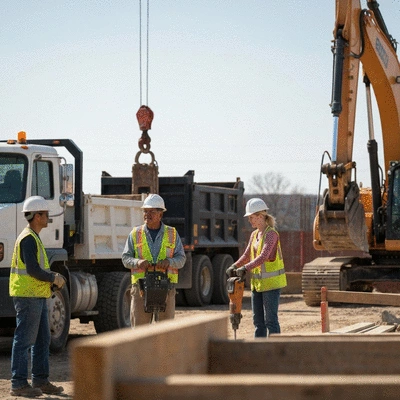
Summarizing Key Takeaways on Ladder Safety and Hand Tools Training
As we wrap up our discussion on ladder safety and hand tools training, it’s vital to emphasize the key skills that every construction worker should master. Proper training not only enhances safety but also boosts confidence among workers when using ladders and tools. Here are the essential skills:
- Understanding ladder types and their specific applications
- Conducting thorough pre-operation inspections
- Implementing safe ladder setup techniques
- Recognizing and mitigating potential hazards
- Employing effective tool handling practices while on ladders
These skills are not merely checkboxes; they are fundamental to ensuring a safe and compliant working environment. I’ve seen firsthand how workers who are well-trained in these areas tend to have fewer accidents and a stronger safety culture within their teams.
The Essential Skills Every Construction Worker Needs
In addition to understanding ladder safety, workers need to be proficient in the use of hand tools. This includes not just knowing how to operate tools but also recognizing the risks associated with using them while on a ladder. The following skills should be prioritized:
- Demonstrating effective tool handling techniques
- Identifying when and how to use fall protection equipment
- Understanding the importance of maintaining tools for optimal safety
It’s crucial that training programs equip workers with these essential skills. At OHS Hub South Africa, we offer resources that can help with continuous learning and certification in these areas, ensuring your team is always prepared to work safely, including specialized courses like first aid courses.
Next Steps: Elevating Safety Standards in Your Workplace
After understanding the fundamentals of ladder safety and hand tools training, the next step is to elevate your workplace's safety standards. How do you go about this? Let’s explore a couple of actionable steps:
- Regularly schedule training sessions focusing on ladder safety and tool use
- Encourage feedback from workers to continuously improve safety protocols
- Stay updated with the latest OSHA regulations and industry best practices
By implementing these steps, you’re not just fulfilling a legal requirement; you’re fostering a culture of safety that benefits everyone.
Accessing Resources for Continued Learning and Certification
To ensure your team remains compliant and knowledgeable, consider accessing a variety of resources. Organizations like the American Ladder Institute offer certification programs and free resources that can be invaluable. At OHS Hub South Africa, we also provide connections to training services that can enhance your team's skillset.
Additionally, keeping an eye on new training materials and updates in regulations can enhance your safety program significantly. Make this part of your ongoing strategy to ensure a safe working environment.
Implementing Safety Protocols and Compliance Training
Finally, it’s essential to implement robust safety protocols. This isn’t just about having rules in place; it involves regular compliance training. By integrating training into your routine, you can solidify a proactive approach to safety.
- Conduct regular safety drills and evaluations
- Incorporate feedback and lessons learned from incidents
- Promote open communication about safety concerns
By prioritizing these actions, you help create a workplace where safety is at the forefront, ultimately leading to fewer accidents and a more productive environment. Remember, at OHS Hub South Africa, we’re here to support you in fostering that culture of safety in your workplace! For comprehensive risk management, consider implementing robust risk assessments for workplace safety.
Recap of Key Points
Here is a quick recap of the important points discussed in the article:
- Ladder safety is crucial in preventing workplace injuries, especially in construction and manufacturing environments.
- OSHA-compliant ladder safety training should cover ladder types, hazard identification, climbing techniques, and pre-use inspections.
- Common ladder hazards to avoid include improper setup, overloading, using defective ladders, and failing to maintain three points of contact.
- Fall protection strategies such as stabilizers, proper ladder angles, and guardrails are essential for safety.
- Personal Protective Equipment (PPE) like hard hats, non-slip footwear, and harnesses are vital for worker safety when using ladders.
- Regular training sessions and compliance checks can enhance safety standards and foster a culture of responsibility.
 As we approach 2025, many businesses in South Africa will face significant changes to workplace regu
 How prepared is your workplace for the upcoming changes in safety regulations? The 2025 OSHA updates
 In today's fast-paced work environment, the importance of effective training cannot be overstated. W