Understanding Masks and Respirators
Posted on: 2026-01-07
By: Thandiwe Mokoena
In the realm of workplace safety, the right tools can make all the difference. Did you know that over 4,000 workplace injuries occur daily in South Africa alone? This staggering statistic underscores the significance of proper respiratory protection in safeguarding health and wellbeing on the job. Let's dive into the essentials of respiratory protection and its pivotal role in various environments.
What You Will Learn
- The distinction between respirators and masks, and when to use each type.
- The importance of respiratory protection across industries like healthcare, construction, and mining.
- Key features of Air-Purifying Respirators (APRs) and their various types.
- The critical differences between atmosphere-supplying respirators: SCBA vs. PAPR.
- Factors to consider when selecting respiratory protection tailored to your workplace needs.
- The necessity of regular training and staying informed on safety regulations and best practices.
Comparing Respiratory Protection Equipment Types
This visual highlights the key distinctions and applications of different respiratory protection equipment.
Air-Purifying Respirators (APRs)
Function: Filters harmful particles/gases from air.
Mechanism: Relies on filters and cartridges.
Examples: Half-masks, Full-face masks, PAPRs.
Filter-Based
Atmosphere-Supplying Respirators
Function: Supplies clean air directly to user.
Mechanism: Independent air source.
Examples: SCBA, PAPRs (air-fed variant).
Source-Based
Key Types: SCBA
Full Form: Self-Contained Breathing Apparatus.
Use Case: Environments with no breathable air.
Example: Firefighting.
No Breathable Air
Key Types: PAPR
Full Form: Powered Air-Purifying Respirator.
Use Case: Continuous flow of filtered air.
Example: Hazardous material handling.
Filtered Air Flow
Prioritizing Safety Through Informed Choices
Understanding Respiratory Protection Equipment: The Basics
When it comes to workplace safety, understanding respiratory protection equipment is crucial for protecting the health of your team. Respirators and masks are essential tools in various industries, from healthcare to construction, ensuring that workers are safeguarded against harmful airborne contaminants. In this section, we’ll delve into the basics of respiratory protection and highlight its importance across different environments.
What Are Respirators and Masks?
Defining Respiratory Protection Equipment
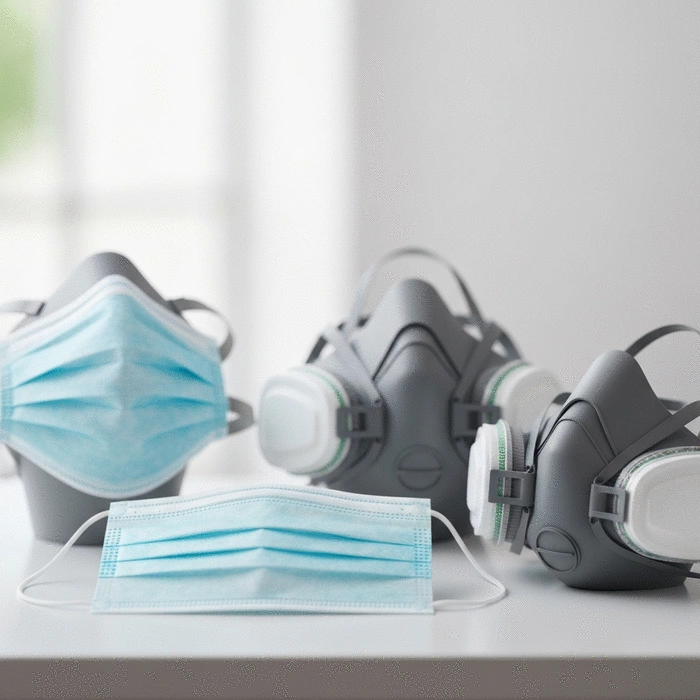
Respiratory protection equipment includes a variety of devices designed to protect the wearer from inhaling harmful substances in the air. Respirators filter out contaminants or supply clean air, while masks primarily help to block larger particles. Understanding the differences between these devices is the first step in selecting the appropriate protection for your workplace needs.
At OHS Hub South Africa, we emphasize the importance of choosing the right equipment. This not only ensures compliance with local regulations but also plays a vital role in creating a safe working environment.
Importance of Respirators in Various Environments
- **Healthcare Settings**: Protects medical personnel from infectious diseases.
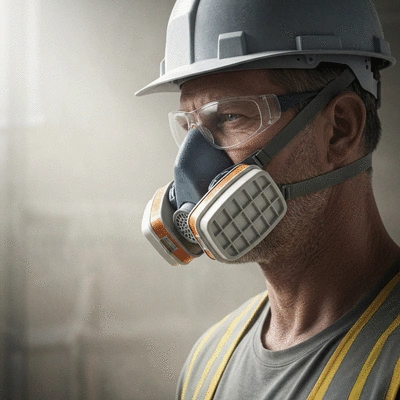
- **Construction Sites**: Shields workers from dust, fumes, and other hazardous materials.
- **Chemical Industries**: Prevents inhalation of toxic substances.
- **Mining Operations**: Essential for protecting against dust and harmful gases.
Regardless of the industry, the right respiratory protection equipment is essential for maintaining health and safety standards. By ensuring your team has access to high-quality respirators, you foster a culture of safety and compliance.
Types of Respiratory Protection Equipment: A Comprehensive Overview
Air-Purifying Respirators (APRs) Explained
Air-purifying respirators (APRs) are designed to filter out harmful particles and gases from the air. They rely on a series of filters and cartridges to provide the necessary protection. Common types of APRs include half-masks, full-face masks, and powered air-purifying respirators (PAPRs). Each type offers different levels of protection based on the specific needs of the job.
Choosing the right type of APR ensures effective filtration and comfort for the wearer. Regular training and education on how to properly use these devices are crucial for safety. For example, understanding the proper use of PPE gloves can complement respiratory protection in comprehensive safety protocols.
Atmosphere-Supplying Respirators: SCBA vs. PAPR
Atmosphere-supplying respirators provide a different level of protection by supplying clean air directly to the user. The two main types are:
- **Self-Contained Breathing Apparatus (SCBA)**: Ideal for environments with no breathable air, such as firefighting.
- **Powered Air-Purifying Respirators (PAPRs)**: Offer a battery-operated fan to provide a continuous flow of filtered air.
Understanding the differences between SCBA and PAPR is vital for specific applications and can significantly enhance safety measures in high-risk environments.
Pro Tip
When choosing respiratory protection equipment, always ensure a proper fit. A well-fitted respirator not only enhances comfort but also maximizes protection. Consider conducting fit tests regularly and providing training on how to don and doff the equipment correctly to ensure your team's safety.
FAQs on Respiratory Protection Equipment
Respirators are designed to filter out harmful airborne contaminants or supply clean air directly, offering a higher level of protection. Masks, on the other hand, primarily block larger particles and splashes, offering less comprehensive protection against fine airborne hazards.
Respiratory protection is crucial for safeguarding workers from inhaling harmful substances like dust, fumes, gases, and infectious agents, which can lead to severe health issues. It helps maintain health and safety standards across various industries, from healthcare to mining.
APRs filter harmful particles and gases from the ambient air using filters and cartridges. Common types include half-masks, full-face masks, and Powered Air-Purifying Respirators (PAPRs), each offering varying levels of protection suitable for different job-specific needs.
SCBA (Self-Contained Breathing Apparatus) provides an independent air source, ideal for environments with no breathable air (e.g., firefighting). PAPR (Powered Air-Purifying Respirator) uses a battery-operated fan to deliver a continuous flow of filtered air, suitable for hazardous material handling where ambient air is breathable but contaminated.
Key factors include the nature of contaminants, duration of exposure, and the comfort and fit of the equipment for your team. Regular fit tests and training on proper usage are also essential to ensure maximum protection and compliance with safety protocols.
Conclusion: Prioritizing Safety with Informed Choices
As we wrap up our discussion on respiratory protection, it's essential to remember that making informed choices is key to workplace safety. Understanding the differences between respirators and masks is not just about compliance; it's about ensuring that your team is protected in various environments. At OHS Hub South Africa, we believe that prioritizing safety begins with choosing the right equipment for your needs!
In summary, here are some key takeaways to consider:
- Know your specific environmental hazards and risks.
- Evaluate the filtration efficiency and fit of respiratory equipment.
- Stay updated on regulatory standards governing respiratory protection.
Summarizing Key Takeaways on Respiratory Protection
Understanding your needs is crucial for proper selection. Respiratory protection is not a one-size-fits-all solution! By recognizing the specific requirements of your workplace, you can make informed decisions that enhance safety.
Understanding Your Needs: The Importance of Proper Selection
When selecting respiratory protection, consider the following factors:
- The nature of the contaminants in your workplace.
- The duration of exposure to harmful substances.
- The comfort and fit of the equipment for your team.
Staying informed on the latest regulations and recommendations can significantly impact the effectiveness of your safety protocols. Regular training sessions and updates can ensure that your team knows how to use respiratory equipment correctly. This includes understanding the importance of first aid courses to respond to any emergencies.
Staying Informed: The Role of Regulations and Recommendations
It's important to keep abreast of changes in regulatory standards, such as those set by NIOSH, OSHA, and the FDA. This knowledge will help you maintain compliance and protect your workforce effectively. Always consult reliable sources to stay updated!
Engagement and Resources for Further Information
Engaging with the latest resources and tools can enhance your understanding and application of respiratory protection. At OHS Hub South Africa, we provide various resources to support businesses in making safety a priority.
Interactive Tools: Using Selection Tools and Comparison Tables
Utilize interactive tools like selection guides and comparison tables to make informed decisions about respiratory equipment. These resources can help clarify which options best suit your needs, ultimately contributing to a safer workplace.
Where to Find Reliable Resources and Updates
You can find reliable resources and updates on respiratory protection standards through industry organizations, safety webinars, and our own platform at OHS Hub South Africa. We're dedicated to connecting you with the best information available to foster a culture of safety!
Recap of Key Points
Here is a quick recap of the important points discussed in the article:
- Understand the differences between respirators and masks for effective protection.
- Select the right respiratory protection based on specific environmental hazards.
- Stay informed about regulatory standards to ensure compliance and safety.
- Evaluate the comfort and fit of respiratory equipment for your team.
- Utilize interactive tools and resources for informed decision-making regarding respiratory protection.
2026-04-08
Navigating Workplace Noise Regulations 2025
 As we approach 2025, many businesses in South Africa will face significant changes to workplace regu
2026-04-04
2025 OHS Regulations: Safety Product Changes
 How prepared is your workplace for the upcoming changes in safety regulations? The 2025 OSHA updates
2026-04-04
OHS Training: Online or In-Person?
 In today's fast-paced work environment, the importance of effective training cannot be overstated. W