Ideal Environment:
Temperature & Humidity
T 15°C to 25°C
H Below 60%
Prevents mold, mildew, and degradation. Use dehumidifiers if humid.
Join the OHS Hub South Africa community for essential safety insights, compliance tips, and product updates.
Posted on: 2026-03-05
By: Thandiwe Mokoena
Creating a sustainable PPE management system starts with understanding the key factors that influence storage and maintenance. What if the right practices could significantly reduce workplace hazards? Let's explore the essential takeaways that can enhance your approach to PPE care.
Ensuring the longevity and effectiveness of PPE requires adherence to specific environmental conditions and organized storage practices. The visual below highlights key factors and organizational strategies for maintaining PPE integrity. For more details on regulatory requirements, you might want to review complying with South Africa's OHS Act.
T 15°C to 25°C
H Below 60%
Prevents mold, mildew, and degradation. Use dehumidifiers if humid.
Dissipates moisture, prevents harmful gas accumulation, UV protection.
Improves accessibility, enhances compliance, and ensures safety.
Prevents equipment failure, saves money, meets safety standards.
Proper storage of Personal Protective Equipment (PPE) is essential for ensuring its longevity and effectiveness. At OHS Hub South Africa, I understand how crucial it is to maintain an organized and efficient storage system. This not only protects your investment but also ensures that your team has access to the gear they need when they need it. Let’s dive into the best practices for creating an optimal environment for your PPE.
When it comes to PPE, the conditions in which it's stored can significantly impact its performance. It’s important to focus on temperature and humidity control to prevent damage. The ideal storage temperature typically ranges from 15°C to 25°C, while humidity levels should be kept below 60%. Both factors ensure that your equipment remains in top condition and ready for use.
Maintaining the right temperature and humidity can help prevent mold, mildew, and other forms of degradation that can compromise PPE safety. If your storage area is too humid, consider investing in dehumidifiers. Conversely, too much heat can warp or weaken materials. Regularly monitor conditions using thermometers and hygrometers to avoid any surprises!
Ventilation plays a vital role in PPE storage as well. A well-ventilated area helps dissipate moisture and prevents the accumulation of harmful gases. Additionally, minimize exposure to direct sunlight, as UV rays can cause materials to break down over time. Aim for a shaded storage area to enhance the lifespan of your equipment.
Now that we’ve established optimal conditions, let’s talk about how to organize your PPE effectively. A well-structured storage system not only improves accessibility but also enhances compliance and safety. Here are some strategies to consider:
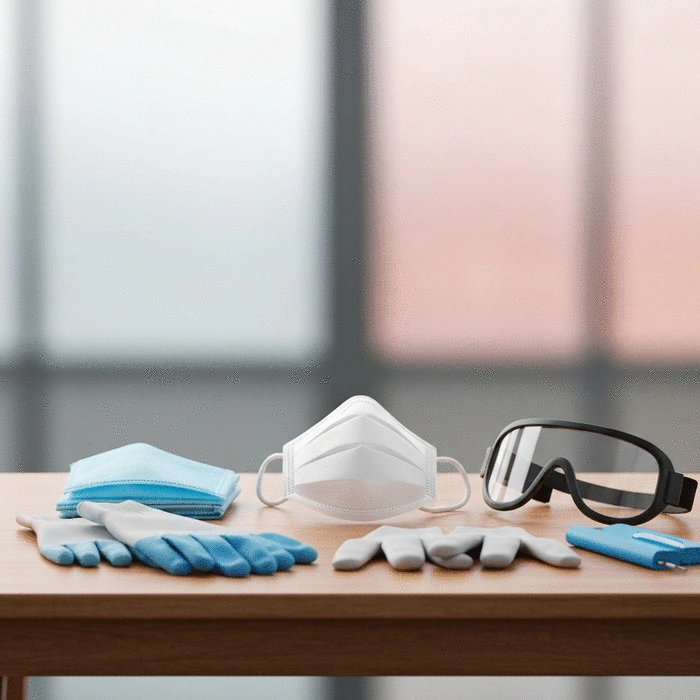
Organizing your PPE by type—such as helmets, gloves, and goggles—can save time and reduce frustration when employees are gearing up for their tasks. Each category should have a designated space, making it easy for team members to find what they need. For guidance on selecting specific gear, see our article on selecting the right PPE gloves.
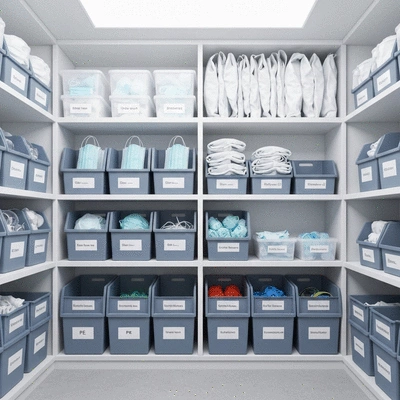
Invest in shelving units and racks to keep PPE off the ground and organized. Use clear labels to identify the contents of each section or box. This not only helps with quick access but also ensures compliance during audits. Remember, a tidy workspace leads to a safer workplace!
Choosing the right storage solutions is critical for maintaining the integrity of your PPE. Different types of equipment require different storage approaches. Let's review some suitable options:
Depending on the type of PPE, you may need specific storage containers. For example, respiratory masks should be stored in airtight bins to keep them free from contaminants. On the other hand, clothing items may require breathable bags to avoid moisture buildup. Tailor your storage methods based on the unique needs of the equipment!
Finally, consider implementing a robust labeling system that not only meets compliance requirements but also facilitates quick identification. Color-coded labels or barcodes can streamline the process and improve overall efficiency. This simple step can make a significant difference in your workplace safety culture.
To further enhance the longevity of your PPE, consider conducting a bi-annual audit of your storage conditions and equipment. This proactive approach allows you to identify any changes in temperature or humidity, ensuring your PPE remains in optimal condition. Regular audits also help reinforce a culture of safety, reminding employees of the importance of proper PPE care.
A1: The ideal storage temperature for PPE typically ranges from 15°C to 25°C, and humidity levels should be kept below 60% to prevent degradation, mold, and mildew.
A2: Good ventilation helps dissipate moisture, prevents the accumulation of harmful gases, and contributes to maintaining the integrity and effectiveness of PPE.
A3: Categorize PPE by type, use racks and shelving to keep items off the ground, and implement clear labeling techniques. A first-in, first-out (FIFO) system is also recommended to ensure older stock is used first.
A4: Proper PPE care leads to enhanced safety by preventing equipment failure, cost efficiency through extended equipment lifespan, and regulatory compliance by meeting safety standards.
A5: Regular training sessions, including periodic refresher courses and hands-on workshops, are crucial to reinforce knowledge, ensure compliance, and empower employees to prioritize their safety.
As we wrap up our discussion on PPE storage and maintenance, it's crucial to remember that proper care is not merely a recommendation; it's a necessity! By implementing effective practices for storing and maintaining personal protective equipment, we significantly reduce the risk of accidents and ensure compliance with safety regulations.
Everyone involved in occupational health and safety can benefit from understanding the importance of keeping PPE in top condition. At OHS Hub South Africa, we aim to foster a culture where safety is prioritized, and PPE is treated with the respect it deserves. This includes not just proper storage and maintenance but also proactive engagement with training and compliance.
Proper care of PPE is essential to ensure its effectiveness in protecting your employees. Here are some key reasons why investing time and effort into PPE maintenance is vital:
By focusing on these aspects, we can create safer workplaces that protect our most valuable asset—our people. Remember, effective PPE management is not a one-time task; it requires continuous commitment.
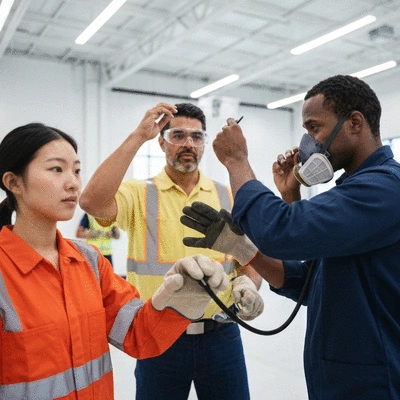
It's essential to foster an environment of ongoing learning when it comes to PPE usage and maintenance. Regular training sessions can reinforce the knowledge workers need to handle their protective gear properly. Consider these approaches:
By continually investing in training, businesses not only enhance compliance but also empower employees with the knowledge they need to prioritize their safety in the workplace.
Creating a sustainable PPE management system doesn't have to be complex! Here are some straightforward steps to get started:
Taking these steps can lead to a well-organized and efficient PPE management system that enhances safety and compliance.
At OHS Hub South Africa, we are committed to providing you with the resources needed to enhance your understanding of PPE management. Here are some valuable resources to explore:
Utilizing these resources can help you stay informed and compliant in the ever-evolving world of occupational health and safety.
Finally, it’s essential to integrate risk management into your PPE practices. Understanding the risks associated with different tasks can inform how you select, store, and maintain protective gear. Consider the following:
Emphasizing risk management not only helps in enhancing workplace safety but also contributes to a culture of proactive safety measures that protect every employee. For instance, proper storage of components such as safety helmets in South Africa is crucial for their effectiveness. Together, we can make a difference in creating safe work environments!
Here is a quick recap of the important points discussed in the article: