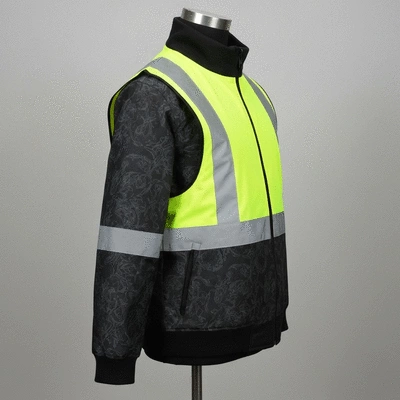
Class 1: Low-Risk Environments
Designed for areas with minimal traffic and low visibility demands, typically off-road or in controlled warehouses.
Minimal Traffic
Join the OHS Hub South Africa community for essential safety insights, compliance tips, and product updates.
Posted on: 2025-12-31
By: Thandiwe Mokoena
In environments like construction and roadwork, safety gear can be the difference between life and death. High-visibility clothing isn't just a recommendation; it's a crucial requirement for protecting workers. Let's explore the essential lessons to ensure compliance and safety in the workplace.
This visual categorizes high-visibility clothing into three classes based on associated risk levels, aiding employers in selecting appropriate gear for worker safety. For more comprehensive guidance on workplace safety, consider exploring a site manager's guide to compliance.
Designed for areas with minimal traffic and low visibility demands, typically off-road or in controlled warehouses.
Suitable for jobs near moving vehicles, requiring increased visibility during daylight or low-light conditions.
Mandatory for high-speed traffic areas like highways or active roadworks where maximum visibility is critical.
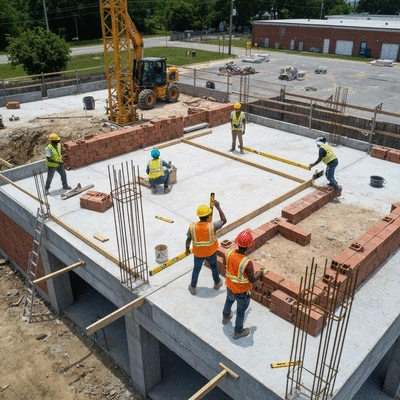
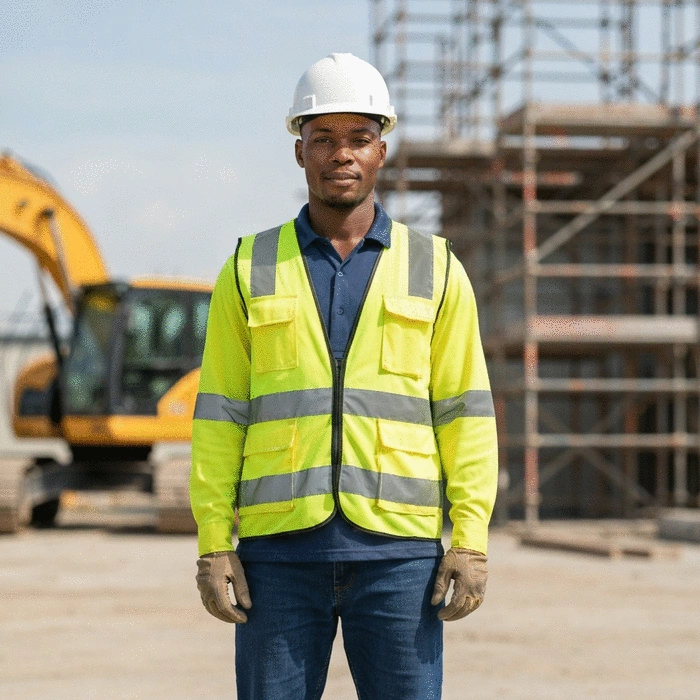
When it comes to workplace safety, high-visibility clothing plays a crucial role, especially in environments like construction and roadwork. In these settings, workers are often exposed to heavy machinery and vehicles, making it essential to stand out. This clothing is designed to enhance visibility, helping to prevent accidents and ensure a safer work environment for everyone involved.
The importance of high-visibility clothing cannot be overstated. With the right gear, workers can significantly reduce their chances of being involved in accidents. I’ve seen firsthand how equipping teams with appropriate apparel fosters a culture of safety, leading to increased awareness and vigilance among workers.
High-visibility clothing not only protects workers but also enhances the overall safety culture on site. When everyone is easily identifiable, it reduces confusion and potential hazards, which is vital for preventing accidents. As an advocate for occupational safety through OHS Hub South Africa, I encourage all employers to prioritize the implementation of these standards.
In South Africa, several regulations guide the use of high-visibility clothing. The Occupational Health and Safety Act (OHSA) lays the groundwork for safety requirements, while the South African Bureau of Standards (SABS) provides specific guidelines for apparel. Additionally, the EN ISO 20471 standard is crucial, as it details the requirements for high-visibility clothing, ensuring it meets quality and safety benchmarks. For comprehensive information on overall PPE, refer to selecting the right PPE gloves.
Staying compliant with these regulations not only protects workers but also shields businesses from potential legal repercussions. Familiarizing yourself with these laws is essential for any employer looking to create a safe work environment.
The visibility requirements outlined in standards like ANSI/ISEA 107 and ISO 20471 are vital for ensuring optimal safety. These regulations specify the types of materials, colors, and reflective properties necessary for high-visibility clothing to be deemed effective.
Understanding these standards can empower employers and workers alike. As someone deeply invested in promoting safety through OHS Hub South Africa, I find that knowledge of these regulations can drastically improve compliance and overall safety on site.
High-visibility clothing is categorized into different classes based on the level of risk associated with specific job functions. Class 1 is designed for low-risk environments, while Class 3 is reserved for high-risk areas where visibility is crucial. Employers must ensure their teams are wearing the appropriate class of clothing to comply with regulations.
Falling short of compliance can lead to serious repercussions. Not only can it jeopardize worker safety, but it can also expose businesses to penalties and legal action. I urge all employers to assess their clothing needs based on these classifications to mitigate risks effectively.
Ignoring high-visibility clothing standards comes with significant consequences. Employers may face hefty fines, and in the unfortunate event of an accident, they could be found liable. It's a harsh reminder that safety gear is not just a regulatory requirement; it's a vital aspect of protecting lives.
Furthermore, workers could face disciplinary actions or lose their jobs if they fail to adhere to safety protocols. This emphasizes the importance of fostering a safety-first culture within the workplace. At OHS Hub South Africa, we are dedicated to connecting businesses with essential resources to maintain compliance and ensure worker safety.
To enhance the effectiveness of high-visibility clothing, consider integrating training sessions that emphasize the importance of visibility in the workplace. Educating workers on how to properly wear and maintain their safety gear can significantly improve compliance and reduce accident rates.
At OHS Hub South Africa, we believe that compliance with high-visibility clothing standards should be a top priority for every employer and worker. By ensuring that your team is equipped with proper high-visibility apparel, you significantly enhance their safety in potentially hazardous work environments. Remember, visibility can be the difference between a near miss and a serious accident!
We must take proactive steps to promote a culture of safety. This means not only providing the right clothing but also educating everyone on its importance. Encourage open conversations about safety gear and compliance standards in your workplace to foster an environment where safety is valued.
Finding the right high-visibility clothing for your team is essential for maintaining compliance and enhancing safety. Here are some practical steps to help you source SABS-approved high-visibility clothing:
By following these steps, you can ensure that your workplace is equipped with high-quality safety gear that meets industry standards. Partnering with trustworthy suppliers will not only provide peace of mind but also contribute to a safer work environment for your team.
When evaluating clothing manufacturers and safety gear suppliers, consider the following criteria to ensure compliance with industry standards:
Finding reputable suppliers is crucial, as they play a vital role in providing the necessary gear that not only meets legal requirements but also promotes workplace safety. Don’t hesitate to reach out to your network or join discussions in safety forums to gain recommendations. For instance, understanding essential first aid kits for work is another key aspect of comprehensive workplace safety.
Once you have sourced high-visibility clothing, it’s essential to maintain it properly. Regular maintenance ensures the longevity and efficacy of your PPE. Here are some key considerations:
By prioritizing maintenance and regular audits, you not only uphold compliance but also reinforce a culture of safety in your workplace. Remember, a proactive approach to PPE maintenance is just as important as initial compliance, and it significantly contributes to the overall safety strategy. For example, ensuring proper maintenance of equipment is as crucial as proper forklift operator training in South Africa, both contributing to a safer work environment.
A: High-visibility clothing significantly reduces the risk of accidents by making workers more visible to heavy machinery operators and drivers, especially in low-light or poor weather conditions. This enhanced visibility helps prevent collisions and improves overall workplace safety.
A: In South Africa, the Occupational Health and Safety Act (OHSA) and specific guidelines from the South African Bureau of Standards (SABS) are crucial. The EN ISO 20471 standard also provides detailed requirements for high-visibility clothing to ensure it meets quality and safety benchmarks.
A: High-visibility clothing is categorized into three classes based on the risk level of the work environment: Class 1 for low-risk (minimal traffic), Class 2 for medium-risk (near moving vehicles), and Class 3 for high-risk (high-speed traffic/roadworks). Employers must select the appropriate class to ensure compliance and worker safety.
A: Non-compliance can lead to serious legal and financial repercussions, including hefty fines for employers and potential liability in case of an accident. It also jeopardizes worker safety and can result in disciplinary actions for workers who fail to adhere to protocols.
A: Proper maintenance ensures the longevity and effectiveness of high-visibility clothing, preserving its reflective and visible properties. Regular safety audits help assess ongoing compliance with safety standards, reinforcing a culture of safety and proactively addressing any potential issues.
Here is a quick recap of the important points discussed in the article: